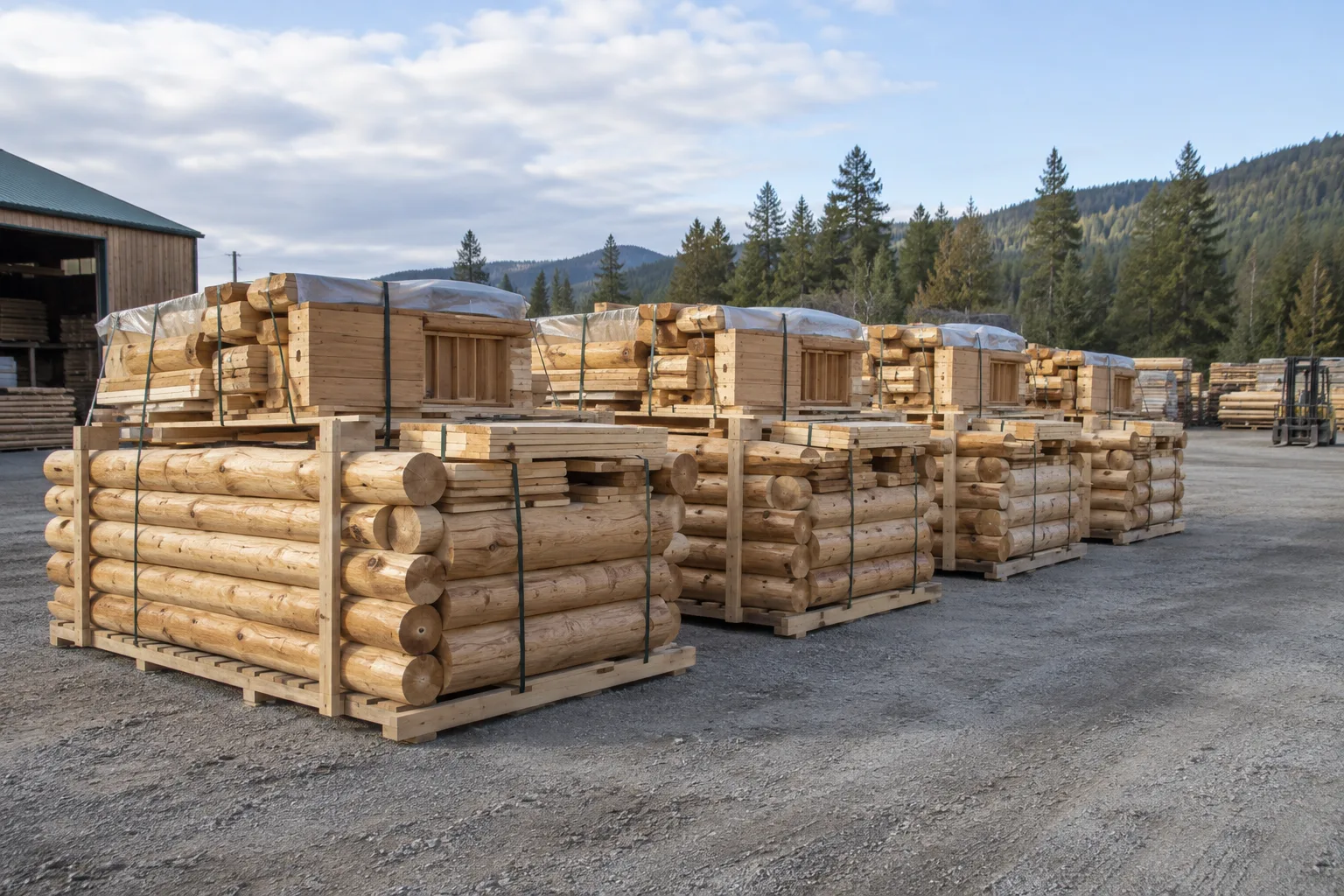
A wholesale log cabins program needs more than a volume discount. Define a controlled product range, destination evidence, sample approval, release process, packaging and after-sales responsibilities. Compare how suppliers manage repeated orders and changes, not only the first unit. Keep dealer forecasts separate from firm commitments and make every customer-facing claim traceable to current product evidence.
Introduction: the second order tests the program, not just the product
A first sample can look convincing while the next order introduces a different window, revised wall profile or unannounced finish. For a dealer, those changes affect quotations already sent to customers, installation instructions and replacement parts. A professional wholesale relationship needs a repeatable operating process as well as a product that meets the initial brief.
This guide is for importers and distributors comparing log cabin kit companies. It is an operational procurement framework, not a legal distribution agreement, a margin forecast or a claim about CabinWild capacity. Commercial terms and regulatory duties require appropriate advice. Any wholesale availability, territory arrangement or support service must be confirmed directly for the proposed relationship.
1. Define a small, controlled product range
Start with the applications and configurations the dealer can support locally. Decide which models, sizes, finishes and service packages belong in the initial range. A catalogue containing every possible variation can create more uncertainty than useful choice if the dealer cannot explain the differences or manage installation and after-sales questions.
Create a model record with a stable code, drawing revision, component schedule and destination assumptions. Keep optional features separate from the standard package. If a customer changes the layout, create a traceable order-specific variant rather than quietly editing the standard model. This helps the factory, sales team and installer identify the same product throughout the transaction.
Distinguish shared components from model-specific parts. A common door or fixing can simplify support only when the actual specification remains controlled. Record compatible alternatives and the approval route for a substitution. Do not assume two parts are interchangeable because they look similar in a small catalogue image.
2. Build the destination evidence package before marketing the range
Identify the markets and intended uses the dealer plans to serve. Ask local professionals which product information is needed for review and which decisions remain site-specific. A supplier's generic document folder may contain useful material without being a complete approval package. Map each required record to the actual model and responsible provider.
Keep sourcing, structural, energy and other claims separate. A timber chain-of-custody certificate does not establish the structural rating of a cabin, and a component test does not automatically apply to every configuration. The Forest Stewardship Council explains the scope of chain-of-custody certification; use such records only for the claims they genuinely support.
Do not advertise universal approval or unrestricted residential use because one customer completed a project. The dealer should communicate verified product facts and the local review still required. Preserve the original evidence and its limitations so later sales material does not become more confident each time it is rewritten.
Further reading: FSC: understand chain-of-custody scope.
3. Compare log cabin kit manufacturers as operating partners
Verify who manufactures, sells and supports the product. Ask which processes are carried out by the proposed log cabin factory and which depend on other suppliers. A factory tour can be useful, but it should be connected to the actual order scope. Do not infer unlimited capacity or every claimed capability from a few selected photographs.
Discuss how the supplier handles drawing questions, component changes and exceptions. Request examples of the record format rather than confidential customer information. The dealer needs to know how a discrepancy becomes an approved correction and how that correction reaches future production. A helpful informal conversation is valuable, but it should not be the only control for repeated orders.
Ask how the factory identifies batches and model revisions in its packing and records. If the dealer receives several similar kits together, it must be possible to distinguish them without opening every package. Traceability should continue into replacement-part requests. A support process that works only while the original salesperson remembers the order is fragile.
Further reading: Run a focused manufacturer document review.
4. Use the sample to approve a repeatable specification
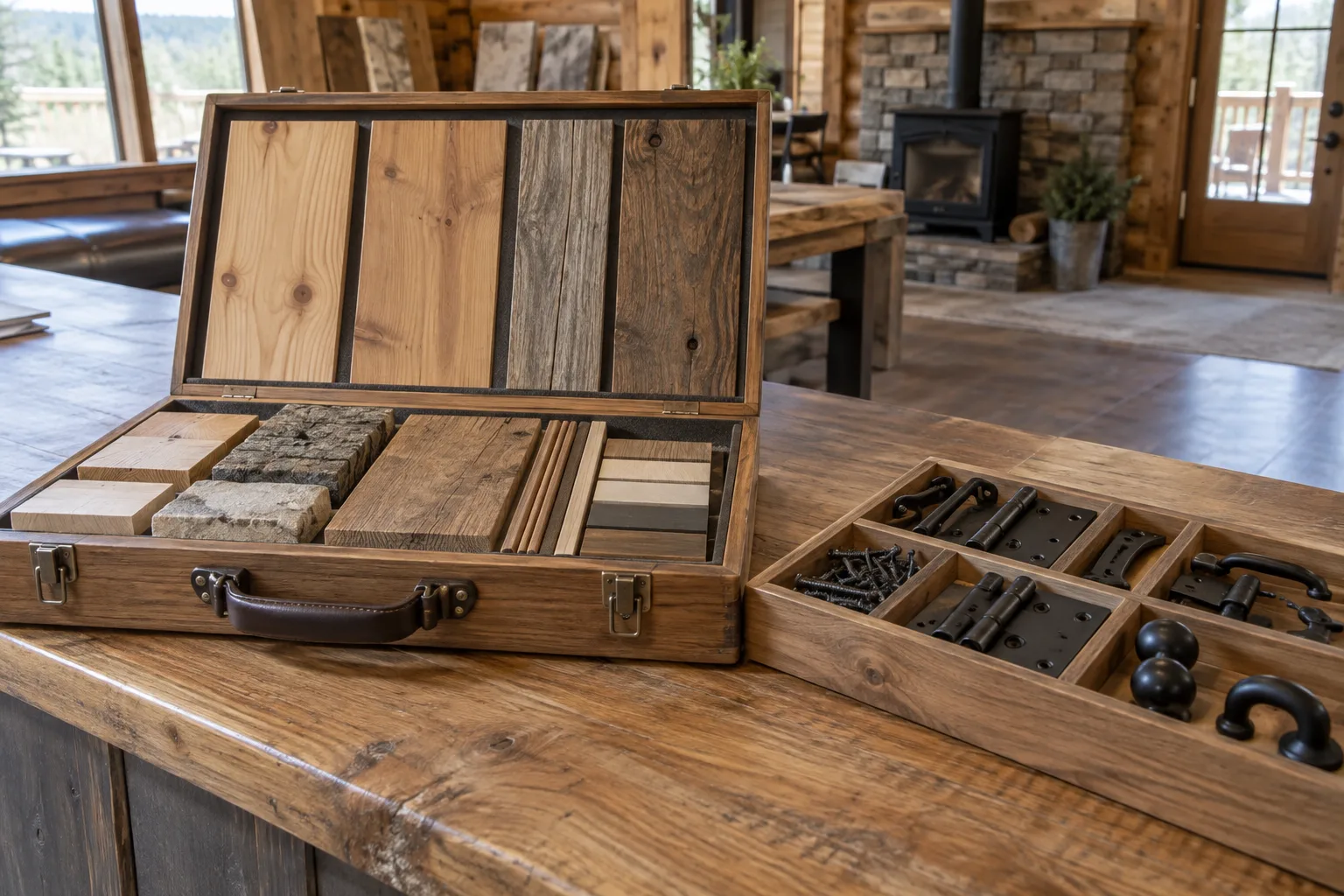
Define what the sample is meant to demonstrate: dimensions, appearance, assembly interfaces, packaging or service access. Mark features that are representative and those that remain provisional. Do not approve a complete production range from a small finish sample or a display unit built to a different specification.
For a first-unit review, include the local installer and people responsible for sales and support. Walk through unpacking, component identification, the instructions and maintainability. Record technical questions for the appropriate professionals rather than asking the review team to improvise engineering decisions. Separate defects against the agreed specification from new preferences discovered during the exercise.
Close the sample review with an approved revision and an exception list. If a finish, fixture or connection changes, identify whether the sample remains representative. Store the physical references and relevant records in a way that a future team member can understand. Sample approval should create a usable purchasing baseline, not just a celebratory photograph.
Further reading: Plan pre-production sample approval.
Turn these questions into a project brief
Share your target market, model range, expected order pattern and local service capabilities. Ask about available specifications, evidence and order-release arrangements.
5. Separate forecasts, reservations and firm releases
Agree the meaning of each planning document. A sales forecast can help a supplier anticipate demand, but it should not be confused with a firm purchase order unless the commercial agreement says so. Record which actions authorize materials, production and dispatch. Have the contractual wording reviewed rather than relying on inconsistent terminology in email.
Use a release schedule that identifies model, revision, quantity, destination, required documents and requested timing. Keep provisional customer choices out of a firm release until they are resolved. If a buyer changes a window or finish after production begins, follow an agreed change process with scope, cost and timing consequences recorded before acceptance.
For a hypothetical dealer planning six units, two might be confirmed customer orders and four a forecast. The operational record should distinguish them even if they share a model. This is not a recommendation for a particular stocking level. The dealer's demand evidence, storage capacity and financial advice determine the appropriate commitments.
6. Put commercial responsibilities into reviewed documents
Discuss pricing validity, payment stages, delivery terms, inspection rights, change handling, intellectual property and after-sales responsibilities with appropriate advisers. This article does not draft binding clauses. The International Chamber of Commerce publishes model contracts and clauses as professional resources, but a template still needs to fit the parties, jurisdiction and transaction.
Payment methods allocate different risks between buyer and seller. The International Trade Administration describes that tradeoff in its payment guidance. Use qualified financial and legal advice for the actual arrangement rather than treating one payment method as universally safest. Confirm bank details through trusted channels and maintain a controlled process for any requested change.
Do not assume a distribution relationship includes exclusivity, guaranteed volume or local installation support. If those matters are important, address them explicitly and have them reviewed. A wholesale price list alone does not establish the full relationship. Keep the operational procedures aligned with the signed terms so the teams do not follow a process the contract does not support.
Further reading: ICC: model contracts and clauses; International Trade Administration: payment-method tradeoffs.
7. Design packaging around dealer receiving and installation
Ask for package references that identify the model, order and relevant unit or batch. Confirm which parts are common and which are specific to a variant. A dealer may receive several units before assigning them to sites, so the identification system should remain useful during storage and dispatch, not only during factory packing.
Coordinate protection, inspection access and handling with the actual route. Ask the forwarder and local team to review package dimensions and weights. If a shipment contains several models, keep the packing schedule clear enough to reconcile shortages or damage. Do not rely on a total bundle count when the installer needs specific windows, profiles and hardware.
Where Incoterms rules are used, state the rule, named place and version in the relevant offer and agreement. ICC's guidance explains their delivery-related role. They do not replace the separate product specification or every commercial term. The dealer should know where responsibility changes and which destination tasks remain outside the supplier's quotation.
Further reading: ICC: Incoterms 2020.
8. Make repeated-order quality checks traceable
Define relevant factory testing and inspection checkpoints for the selected range. Record what is checked, against which revision and by whom. A stable process can make comparisons more useful, but it does not justify claiming that every possible defect has been eliminated. Keep the scope and limitations of each check visible.
Shipment inspection should verify the released order, accessible condition, quantities and required records. Retain exceptions and corrective actions with the batch. If the dealer later receives a complaint, it should be possible to identify the supplied version and the evidence available at dispatch. Avoid keeping all issues in an unstructured message thread that cannot be searched by component or order.
Use a first-repeat review after an approved change. If the factory alters a supplier component or packing method, confirm that the revised version meets the accepted scope before treating it as routine. The review should focus on the affected items rather than repeating every unrelated test. Record the outcome and update the dealer's instructions and spare-parts information.
Further reading: Build a multi-unit factory inspection plan.
| Control | Owner to identify | Useful retained evidence |
|---|---|---|
| Model baseline | Supplier and dealer technical contacts | Approved drawings and schedules |
| Order release | Authorized purchasing contact | Firm quantity and revision |
| Change approval | Named technical and commercial reviewers | Decision and affected orders |
| Shipment acceptance | Inspector and responsible buyer | Exceptions with package references |
| After-sales closure | Dealer support and supplier contact | Cause, action and replacement reference |
9. Keep dealer marketing aligned with current evidence
Create a controlled set of product descriptions, drawings and images for the approved range. Clearly distinguish actual photographs from AI-generated or rendered concepts. Do not present a sample installation as a verified customer project unless that description is accurate and authorized. Mark optional features so buyers understand what the standard quotation includes.
The US Federal Trade Commission's advertising guidance states that claims should be truthful and evidence-based. That is a US legal reference, not the only framework a global dealer must consider. Obtain local advice where necessary and retain evidence for material claims. Avoid unsupported statements about certification, performance, delivery time or environmental benefits.
When a specification changes, update the catalogue and notify relevant sales and installation staff. Archive old material so it remains available for historical orders without being mistaken for the current offer. A dealer should be able to explain which description a customer received and which revision was actually ordered.
Further reading: FTC: evidence-based advertising principles.
10. Build after-sales support into the program
Compare log home suppliers on the information and process available after delivery. Define how a customer reports an issue, which photographs or references are useful and who decides the next step. Keep urgent safety or structural concerns with the appropriate professionals. A dealer should not improvise technical repair instructions from an incomplete description.
Agree a practical spare-parts strategy based on the range and actual demand evidence. Identify critical or model-specific items, storage conditions and the process for discontinued components. Do not promise permanent stock or fixed replacement times without a confirmed basis. Review the first installations and update the program when the evidence supports a change.
Keep customer requirements linked to the supplied unit. A local alteration, different use or missed maintenance step can matter to the investigation, but it should be established from records rather than assumed. The objective is a fair, traceable resolution and a better future order, not an automatic argument that either factory or installer must be responsible.
Practical buyer workshop
Run a paper reorder before placing the second purchase
Use the accepted first-order documents to prepare a hypothetical repeat order. Ask whether the model code, component schedule, finish reference and packing information identify the product without relying on the original salesperson's memory. Record any ambiguity before it becomes a physical discrepancy in a later shipment.
Include a replacement-part enquiry in the exercise. The dealer should be able to identify the relevant cabin revision and affected component, while the supplier should explain what information it needs to quote a replacement. Do not interpret this exercise as a guarantee that every part will remain available indefinitely. Availability and commercial commitments need to be stated explicitly.
Test how an approved change reaches the dealer's sales material and installation partners. A revised opening or hardware item should not remain hidden in factory correspondence while the dealer advertises an older specification. The practical output is a controlled reorder process that connects purchasing, customer promises and after-sales information across the programme.
FAQ: wholesale cabin dealer programs
Is a wholesale program mainly about the discount?
No. Price matters, but repeated orders also need controlled specifications, evidence, release procedures, packaging and support. A lower unit price can be difficult to use if revisions or responsibilities remain unclear. Compare the complete operating arrangement and the local work the dealer must provide before committing to a range.
Should every customer receive a custom model?
Not necessarily. A controlled standard range can simplify communication and support, while selected variants may meet genuine needs. Record each approved variation and its effect on documents, parts and local review. Do not let informal customization create products that the sales, factory and installation teams describe differently.
Does approving a sample approve every future shipment?
No. The sample establishes a defined reference only within its documented scope. Future orders should identify the same approved revision or an accepted change. Retain inspection and shipment records for each release. A display unit or finish sample cannot establish every performance or destination requirement for all later cabins.
Can the dealer reuse every supplier marketing claim?
Only claims supported for the actual product and target context should be used. Check evidence, scope and local requirements, and distinguish illustrations from real project photographs. Update material when specifications change. A supplier's broad statement should not become an even broader promise in the dealer's own catalogue.
What should a wholesale enquiry include?
Provide the target market, intended applications, proposed model range, order pattern and local installation or support capability. Ask about controlled specifications, available evidence, samples and release arrangements. Treat forecasts separately from firm commitments and have important commercial terms reviewed before assuming any volume, exclusivity or service obligation.
Conclusion: make every repeat order identifiable and supportable
Wholesale log cabins purchasing works best when the product range and operating process are controlled together. Establish the evidence, approve a representative sample, release orders against named revisions and keep changes traceable through shipment and support. The program should remain understandable when personnel change and the second or tenth order arrives.
Send CabinWild your market and dealer requirements through the inquiry form. Ask for the available catalogue, documented supply scope and proposed coordination process. Confirm commercial availability and responsibilities directly before planning a repeated purchasing program.
Discuss a documented dealer supply program
Share your target market, model range, expected order pattern and local service capabilities. Ask about available specifications, evidence and order-release arrangements.
Prepared with AI assistance for CabinWild Editorial using the linked public sources. Examples are illustrative, not customer results or verified CabinWild test data. Project-specific design and local requirements need review by the appropriate professionals.