
Choose a log cabin assembly service by comparing its defined completion stage, labour and equipment scope, site assumptions, system competence and handover obligations. A low labour figure is not necessarily a complete installation price. Obtain written boundaries for supplied goods, local construction, changes and rectification. Use competent local professionals for construction planning, temporary works and safety; this guide is a purchasing framework, not an erection method.
Introduction: buy a defined service, not an optimistic day count
Ordering a cabin kit does not automatically appoint the team that will assemble it. Even when a seller introduces an installer, the buyer needs to know who contracts for the work, what that work includes and who resolves an interface problem. An informal promise to put the cabin up is too ambiguous for reliable procurement.
This guide addresses the service purchase: labour scope, quote assumptions, records, changes and handover. It does not provide lifting instructions, temporary bracing details or a construction sequence. Those belong to the competent team responsible for the actual system and destination requirements.
Examples are hypothetical and prices are intentionally omitted. They are not verified CabinWild projects or evidence that CabinWild offers installation in a particular country. Ask about available supply support and arrange locally appropriate professional review before committing to either goods or services.
1. Define the end point of log cabin assembly
Describe the service outcome in physical and documentary terms. Does the appointment cover only the timber shell, or also roofing, openings, finishes and agreed checks? Does it include receiving, sorting and protecting the supplied components? Identify the deliverables rather than relying on package names such as complete assembly.
Keep fit-out and services boundaries explicit. An assembled enclosure is not necessarily connected, commissioned or ready for authorised occupation. Electrical, plumbing, ventilation and other specialist work may involve separate parties. Name the person coordinating those interfaces without assuming the assembly contractor performs every trade.
For wooden cabin construction, distinguish the supplied system from the site service. A stacked-log kit, panel package and timber-frame assembly can require different documents and capabilities. Ask the proposed team to explain its experience with the actual system, not merely timber buildings in general.
Attach the current package list and drawings to the scope. If a component is excluded from the kit, state whether the installer supplies it, another contractor supplies it or the buyer must procure it. Every necessary item needs an owner before a complete-service comparison is possible.
Further reading: Check the goods included in a wooden cabin kit.
2. Check competence, supervision and local responsibilities
Request relevant reference information that the contractor is entitled to share. Ask what system was installed, the team's actual role and who supervised it. Photographs can support a discussion but cannot independently verify workmanship, insurance, professional qualifications or compliance. Confirm the documents relevant to your destination and appointment.
Ask who will attend, who supervises the work and how technical questions reach the designer or manufacturer. Identify any subcontracted activities and who checks their interfaces. A familiar company name does not establish that the proposed crew has worked with the offered system or current document set.
In Great Britain, HSE explains construction planning and client arrangements, including a construction phase plan before work starts and additional coordination roles for projects involving more than one contractor. These are jurisdiction-specific responsibilities, not universal contract wording. Obtain appropriate local advice wherever the project is located.
Keep statutory duties separate from your commercial checklist. Allocating a task in a quotation does not necessarily transfer a legal responsibility. Have the appointment and local obligations reviewed by suitable advisers, especially where an overseas supplier, local contractor and business operator have different roles.
Further reading: HSE: construction planning and management in Great Britain.
3. Understand what changes log cabin assembly cost
Fixed-price scope still has assumptions
A fixed amount is meaningful only against its agreed scope and conditions. Ask which drawing revision, site readiness, component availability, access and working arrangement it assumes. Clarify how an omitted task or changed design becomes a variation. Fixed price should not be read as unlimited responsibility for unknown work.
Request exclusions beside inclusions. Equipment, travel, accommodation, waste handling, protection, supervision and return visits may be treated differently by different teams. Compare the resulting service package, not only the headline labour figure. Do not assume that every contractor uses the same pricing convention.
Time-based offers need usable records
For time-based work, establish the charging basis and record format before mobilisation. Identify chargeable roles, attendance, equipment and authorised additional activity. Agree who reviews records and how disputed entries are handled. A day rate without these boundaries is not a dependable forecast of total expenditure.
Ask for the programme assumptions behind the estimate, while recognising that duration is not a guarantee. Record dependencies and the treatment of waiting, interrupted access or missing parts. Have commercial terms reviewed as needed; this article does not prescribe payment, retention or liability provisions for a jurisdiction.
4. Compare log cabin installation cost using a scope matrix
Send the same brief to each shortlisted team and ask for a response against each line. Mark an item included, excluded, provisional or not applicable, with an explanation. A blank answer should stay unresolved rather than being interpreted in the buyer's favour.
A useful comparison keeps amount, responsibility and evidence together. Where an installer excludes a necessary activity, obtain the corresponding proposal from its actual owner. Do not add an invented allowance just to make the two totals look complete.
| Service item | Question for the installer | Record to request |
|---|---|---|
| Mobilisation | What readiness conditions permit attendance? | Accepted readiness checklist |
| Receipt and sorting | Who records damage or missing components? | Receiving and discrepancy record |
| Assembly scope | Which supplied parts and finishes are installed? | Marked-up scope and current drawings |
| Equipment and access | Who plans and provides suitable arrangements? | Responsible specialist and agreed boundary |
| Weather protection | Who protects incomplete work and materials? | Responsibility and inspection arrangements |
| Interfaces | Who coordinates other trades and approvals? | Named contacts and hold points |
| Variations | Who authorises scope or time changes? | Change record before commitment |
| Handover | What checks and documents close the service? | Acceptance and outstanding-items schedule |
Turn these questions into a project brief
Send CabinWild your destination, selected cabin scope and local installer arrangements. Ask which supply documents are available for your contractor's review; installation availability must be confirmed separately.
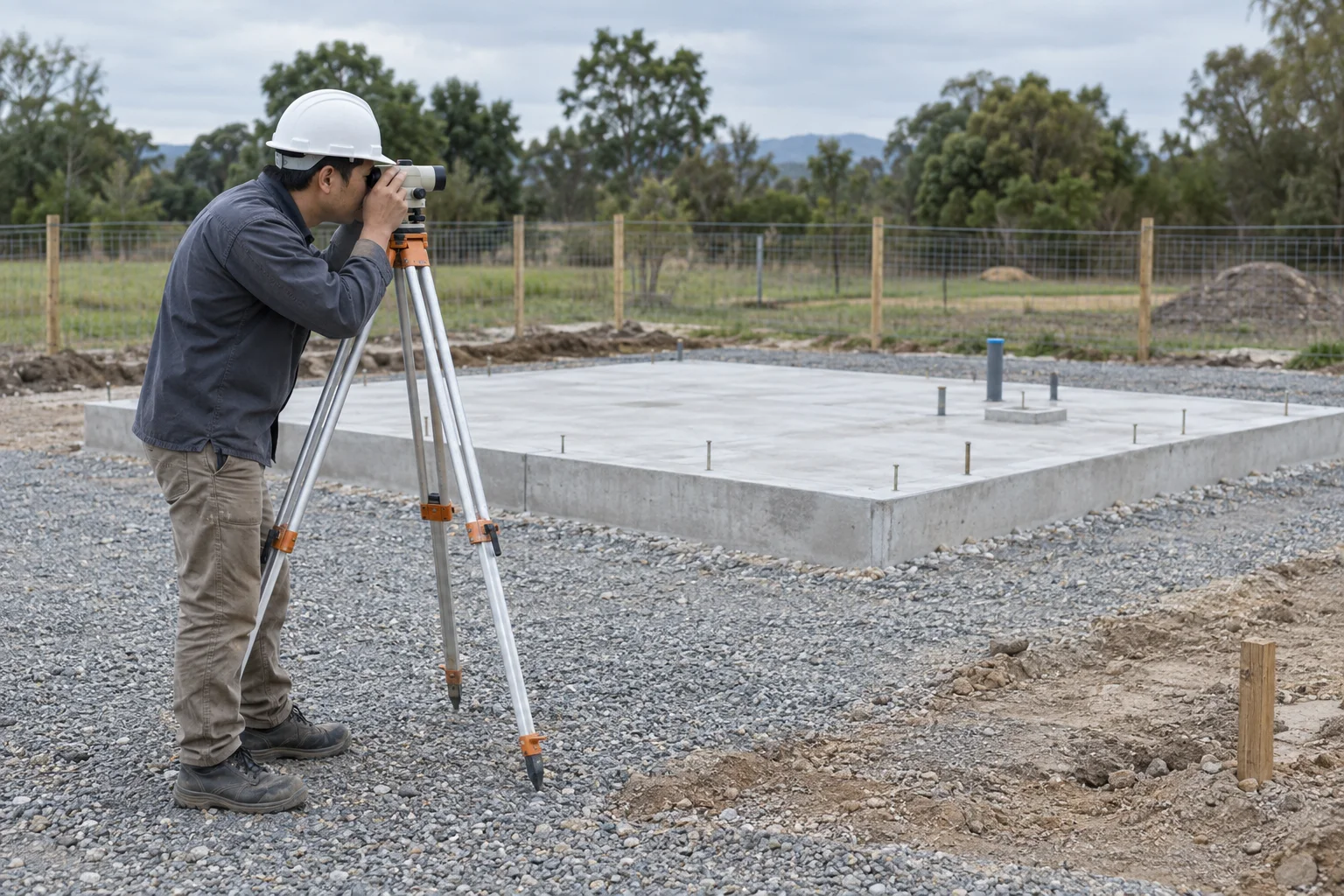
5. Make installation preparation a recorded release decision
Separate readiness from a requested start date. Before confirming attendance, exchange the current kit information, site constraints and required preparatory evidence with the contractor. Ask which conditions it needs to review and who accepts that the work can start. A delivery booking is not that acceptance.
Foundation design and suitability need their own competent assessment. The assembly team should understand the relevant approved information and interface checks, but its arrival does not automatically validate work performed by others. Record any unresolved mismatch before placing the team under schedule pressure.
HSE describes temporary works as arrangements requiring planning and management. For a cabin project, the responsible professionals must determine the actual needs and suitable methods. This guide does not specify supports, access equipment or lifting arrangements, and no generic photograph should be used as an installation detail.
Agree site communication and access controls with the responsible team. HSE's site-induction guidance highlights communicating site-specific rules and information. For an international project, make sure necessary instructions are understood by the people doing the work, including an appropriate language arrangement. Follow the destination's own requirements.
Further reading: HSE: planning and managing temporary works; HSE: site rules and induction; Coordinate foundations and site readiness.
6. Ask for stage outputs rather than progress photographs alone
Define the records needed at agreed review points without inventing a universal erection sequence. The responsible contractor and designer should identify those points for the actual system. A buyer can request an understandable record of the released documents, observed condition, checks performed and unresolved questions.
At receipt, connect the consignment references to the supplied packing list. Shipment inspection records can support item identification and condition discussions, but cannot prove the workmanship of later site assembly. Capture discrepancies promptly under the agreed reporting procedure and preserve the original evidence.
For checks before concealment, identify the responsible reviewer, the information required and how permission to proceed is recorded. Photographs may supplement the record when appropriate, but they do not replace a required inspection or professional decision. Avoid describing every photograph as proof of compliance.
At each change, retain the superseded drawing or instruction with its status clearly identified. The site team needs one current authorised version, while the project record needs a traceable history. This distinction prevents an outdated instruction from quietly re-entering use during a later return visit.
Factory testing and site verification are also different. Ask what checks the supplier actually offers and what they cover. Do not assume that trial assembly, if available, removes the need to check destination interfaces, local workmanship or alterations. A test record belongs to its identified configuration and scope.

7. Establish a stop, clarify and resume process
An unexpected component, damaged item or drawing conflict should trigger a defined communication route. The responsible team decides what work can safely continue and what must pause. Commercial pressure must not override that decision. The buyer's role is to make the decision and evidence route clear before a problem occurs.
A useful change request identifies the issue, location, affected document, proposed response, responsible reviewer and commercial consequence. Where design input is needed, obtain it from the appropriate authorised professional. Do not allow an informal substitute material or altered connection to become an undocumented site solution.
For a time-based service, connect additional attendance to the accepted change record. For a fixed-price service, explain whether the activity sits inside the original scope or requires a variation. Keep technical acceptance separate from agreement about price: a commercially approved change still needs appropriate technical review.
Resume affected work only through the responsible team's agreed process. Record the instruction used, who issued it and any follow-up checks. If the question remains unresolved, keep it open in the project log rather than marking it complete because another part of the cabin has progressed.
8. Compare two hypothetical assembly offers fairly
Suppose Offer A covers shell assembly with the buyer providing access arrangements, receiving labour and waste removal. Offer B includes those services but excludes a selected roof finish. Neither offer is complete for comparison until the omitted work is assigned and priced against the same end point.
The buyer should return the shared scope matrix to both teams, identify the roof-finish owner and reconcile the support services. If Offer A depends on resources that are unavailable locally, that is a feasibility problem as well as a cost gap. Do not hide it behind a provisional sum.
Now suppose the site is not ready when the planned crew becomes available. Ask how each offer handles rescheduling and repeat attendance under its actual terms. No universal delay charge or free return visit should be assumed. The better documented offer may be easier to manage even before the final amounts are known.
This scenario illustrates a procurement method, not a claim that bundled services are always better. An experienced buyer with suitable local resources may prefer a narrower appointment. The important point is that those resources and responsibilities are real, available and included in the comparison.
9. Close the service with evidence and a usable aftercare route
Define acceptance deliverables before work begins: relevant completed checks, current documents, operating information for installed items and an outstanding-items list with owners. Distinguish completion of the assembly contract from permission to occupy or operate the cabin. The latter can involve separate local processes.
Review each outstanding item by location and description, not a vague statement that finishing remains. Agree the responsible party, next action and evidence needed to close it under the contract. Have payment and acceptance terms reviewed by a suitable adviser; do not assume a particular retention or sign-off arrangement applies everywhere.
Clarify how problems after handover are reported. A concern can involve a supplied component, site workmanship, another trade or maintenance. Ask who assesses cross-boundary issues and what records are needed. Separate the applicable product and workmanship terms without promising a universal warranty or response time.
Make the handover pack usable by the person who will operate the cabin, not only the purchasing team. Identify current instructions, relevant contacts and any continuing adjustment or inspection requirements specified for the system. Do not bury an open technical issue inside a collection of unrelated delivery receipts.
For phased sites, record each cabin separately. One accepted unit should not automatically close outstanding work on another, even if the order and installer are shared. Link common documents once, then retain the unit-specific inspection and discrepancy references. This avoids a repeat-order programme losing traceability as more buildings are completed.
For a repeat project, keep a short learning record of actual discrepancies, resolved interface questions and document improvements. Obtain permission before using customer references publicly. One successful assembly does not prove every crew, climate or site will have the same outcome, but documented lessons can improve the next brief.
Further reading: Prepare ongoing cabin maintenance responsibilities.
Frequently asked questions
Does a cabin kit price normally include installation?
Do not assume so. Read the actual offer and identify the contracting party for assembly. Confirm labour, equipment, receiving, finishes, specialist services and handover separately. A seller's introduction to an installer does not by itself define who carries each responsibility.
Is a fixed-price assembly offer always safer than day rates?
Not necessarily. A fixed price needs clear scope and assumptions, while time-based work needs controlled authorisation and records. Compare how each offer treats changes, waiting and excluded activities. The most useful choice is one your team can understand and manage under suitable contract terms.
Can I judge an installer only from finished-cabin photographs?
No. Photographs may support a reference discussion but do not independently establish competence, scope, compliance or insurance. Ask about the actual system, team, supervision and relevant documents. Verify the requirements applicable to the project and destination.
What should happen if parts or instructions do not match?
Use the agreed discrepancy and technical-query process. The responsible team determines safe continuation or a pause, and obtains an authorised response. Record any design, scope and price changes before affected work resumes. Do not improvise structural or safety-critical substitutions.
Does CabinWild provide an assembly team in my country?
Availability has to be confirmed for the specific destination and order. Send your project brief and local contractor arrangements to info@CabinWild.com. Ask which supply and documentation support is available without assuming a local installation service, contractor appointment or approved method is included.
Conclusion: clear service boundaries make installation quotes useful
A professional assembly comparison links defined work, realistic readiness conditions, competent responsibilities and evidence at handover. It does not rely on a low labour figure or an optimistic programme. Keep changes traceable and distinguish goods, site services and local approvals throughout the project.
Email info@CabinWild.com with your intended product application, destination and installer arrangements. Request the available kit documents and supply scope so your local team can develop a properly bounded installation proposal.
Coordinate your kit and installation brief
Send CabinWild your destination, selected cabin scope and local installer arrangements. Ask which supply documents are available for your contractor's review; installation availability must be confirmed separately.
Prepared with AI assistance for CabinWild Editorial using the linked public sources. Examples are illustrative, not customer results or verified CabinWild test data. Project-specific design and local requirements need review by the appropriate professionals.