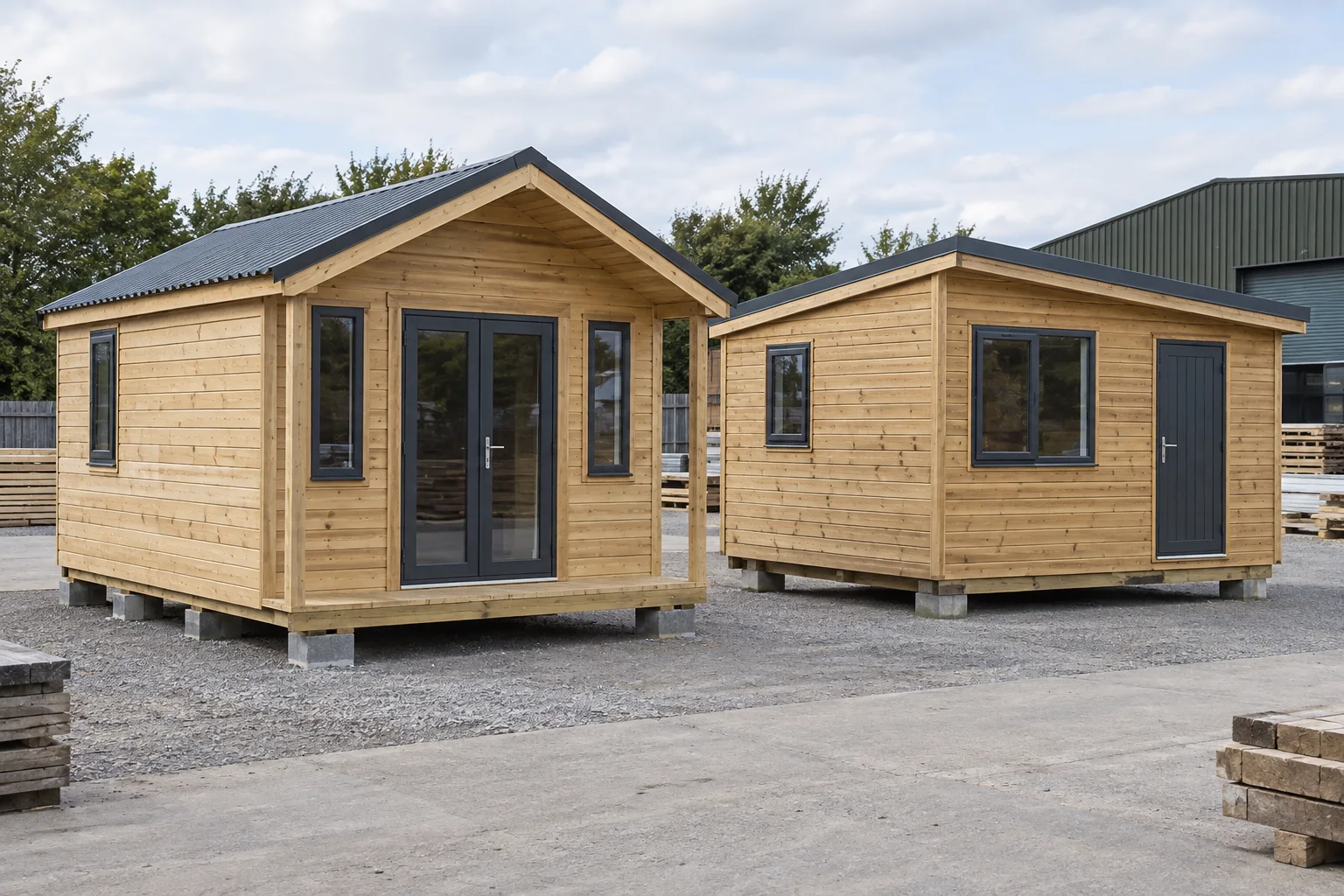
Prefab cabins can be worth considering when the offered completion stage, transport arrangement, local installation capability and repeatability match your project. They are not automatically cheaper, faster or ready to occupy. Compare each route against the same finished-use brief, including work left at the destination. Resolve access, approvals and responsibility gaps before treating a lower package price as better value.
Introduction: compare the whole route, not just the cabin
Are prefab cabins worth it? For a resort buyer, distributor or private landowner, the useful answer is conditional. Offsite work may solve a genuine project constraint, but the same package can create different challenges at another destination. A finished-looking photograph cannot show whether the site is ready or who completes the work after delivery.
The decision therefore comes before a price comparison. Define the required end state, find out which activities the supplier actually completes, and check whether your local team can take responsibility for everything else. A strong purchasing choice connects these parts without relying on an optimistic handover assumption.
This guide compares procurement routes, not individual CabinWild model performance. Examples are hypothetical. It provides no guaranteed savings, construction programme, structural design or approval. Use it to prepare a shortlist and questions for suppliers, then obtain project-specific technical and commercial advice before committing.
1. What is a prefab cabin, and what does the label leave out?
A prefab cabin has some of its building components or assemblies manufactured away from the final site. The term describes a production approach, not one fixed level of completion. It can include cut timber packages, wall panels and more complete three-dimensional units. Buyers should ask what arrives, how it is assembled and what remains unfinished.
The UK government's modern methods of construction definition framework distinguishes categories including three-dimensional primary systems and two-dimensional structural panels. This is useful vocabulary for comparing offers. It does not establish that every product advertised as prefab belongs to a particular category or meets the requirements of your project.
Ask the supplier to describe the actual construction system rather than relying on a label. For prefabricated wooden cabins, identify whether the main structure uses logs, framed panels or another specified arrangement. Timber appearance alone does not explain the load-bearing system, insulation build-up or service interfaces.
Then request a completion-stage description in plain language. For example, does the quotation cover structural components, a weather-resistant enclosure, internal finishes, or commissioned services? Those stages have different dependencies. Attach the answer to the drawing revision and quotation so a sales conversation becomes a reviewable scope.
Further reading: UK government: modern methods of construction definition framework; Compare log and timber-frame cabin systems.
2. Compare modular cabins, panel packages and site-built work
Three-dimensional and pre-built units
Modular cabins are commonly associated with three-dimensional units assembled into a building at the destination. However, the word modular is also used loosely in product marketing. Confirm the actual module arrangement and completion stage. A whole cabin delivered in one piece and a building assembled from several modules do not have identical connection or site requirements.
Pre built cabins may arrive with substantial work completed, but buyers still need a clear description of foundations, positioning, connections, finishing and commissioning. Ask to see the boundary between factory and destination work. Do not assume that a pre-built label includes unloading, a base, utilities or permission to use the structure.
Panelised, component and site-built routes
Panel and component packages shift a different amount of work to the destination. They may be worth evaluating where receiving smaller packages is practical and capable local assembly support is available. That does not remove the need for delivery planning, protected storage or coordinated installation instructions.
A site-built route can also remain a credible option. Local procurement and design flexibility may suit a project with unusual constraints or frequent unresolved changes. Compare actual available teams, materials and responsibilities. Do not treat factory production and site construction as opposing quality categories; either route needs an adequate specification and verification.
3. Identify the constraint prefab needs to solve
Write down the project problem before selecting the delivery method. Is the buyer seeking a repeatable room arrangement, less assembly at the destination, a defined component package, or a single source for a particular enclosure? Each objective points to a different completion stage. None is demonstrated by the word prefab alone.
For repeated orders, ask which parts of the design can actually remain consistent. Different plots may need different foundations, orientations or service routes even when the cabin shell is identical. Standardising the supplied package can still be useful, but keep site-specific work outside an unsupported repeatability claim.
For a one-off project, consider how settled the brief is. A buyer still choosing room arrangements and equipment may need more design development before a factory order is sensible. Late decisions can affect coordinated parts that have already been produced. Record which decisions must be fixed and which remain genuinely reversible.
Finally, identify a reason to reject the route. If suitable delivery access cannot be established, no competent local team can take the remaining work, or essential destination documentation is unavailable, stop the shortlist process. These are purchasing constraints to resolve, not shortcomings to hide inside a contingency allowance.
4. Use a route decision matrix before requesting final prices
Use this worksheet with each supplier and the local delivery team. The entries are questions, not scores that prove one method is best. A route with an unresolved essential requirement should remain conditional even when it appears attractive in the other columns.
Record the evidence beside every answer: a route review, named installer, current scope or confirmed design requirement. Separate statements from assumptions. This prevents a persuasive brochure from receiving the same weight as a project-specific document.
| Decision | Offsite package question | Site-built comparison | Hold point |
|---|---|---|---|
| Site access | Can the actual packages reach the agreed handover point? | Can materials and equipment reach the work area? | Route reviewed |
| Local capability | Who completes assembly and interfaces? | Who coordinates all trades? | Named responsible team |
| Design maturity | Which choices must be frozen for manufacture? | When are local purchases committed? | Current coordinated brief |
| Approval evidence | Are system documents available for local review? | Who prepares site-specific documentation? | Reviewer requirements understood |
| Programme | Which site tasks must precede delivery? | Which trades and supplies govern completion? | Dependencies accepted |
| Aftercare | Who handles supplied parts and local workmanship? | Who handles each installed system? | Written responsibility map |
Turn these questions into a project brief
Send your destination, intended use, quantity and local installation arrangements. Ask CabinWild which available supply stages fit your comparison.
5. Compare value at the same finished-use boundary
A package price and a completed-building quotation cannot be compared directly. Bring both proposals to the same defined end state, including destination work. Identify costs that are quoted, allowances that remain uncertain, and activities for which no party has yet accepted responsibility.
Keep the initial purchase separate from project exposure. An uncertain local installation scope can matter more than a modest difference between product prices. Ask who pays for storage if the site is late, what happens when a component needs replacement, and whether a revised design changes already ordered items.
Do not invent a universal percentage saving. Offsite production, local labour, freight and project complexity interact differently across destinations. A useful comparison uses actual offers and explicit assumptions. Where a figure is unavailable, mark it unknown and give someone responsibility for obtaining it.
Also consider the value of the end result rather than only acquisition. If the supplied layout does not support the intended product application, a low purchase price may be irrelevant. Compare maintainability, usable accommodation and documentation against the original customer requirements, without converting unverified benefits into a financial return.
Further reading: Build a comparable cabin project cost scope.
6. Test the programme for dependencies and local skills
A factory completion date is one event in a longer sequence. The purchasing programme must also account for design release, permissions where required, site works, transport arrangements, installation and completion checks. Ask each party what information or work it needs before its own activity can begin.
Offsite and site activities may overlap, but only when the interfaces are sufficiently resolved. Manufacturing while the base design remains uncertain is not automatically a time advantage. A later change to levels, dimensions or service entries can create rework across both locations.
Government research on modern construction methods examines changing skills requirements, including the distinction between volumetric and panelised work. The relevant buying lesson is to check the skills needed for the actual system. A local contractor's general experience does not by itself establish familiarity with every supplied assembly or interface.
Ask for a realistic handover sequence with named owners and decision dates. Installation preparation should include the current instructions, receiving arrangements and agreed checks before work becomes concealed. Request supplier support requirements early, including language, availability and how technical questions will be resolved. This guide does not promise any standard assembly duration.
Further reading: UK government: offsite construction and skills requirements.
7. Treat logistics as a route-selection condition
Transport should influence the shortlist before the final product choice. Obtain the proposed package dimensions, weights and handling requirements from the supplier. Give that information to the relevant logistics and site professionals. Do not estimate transport feasibility from the external size shown in a sales drawing.
Where lifting is involved, use competent specialists. Britain's Health and Safety Executive explains that lifting operations need appropriate planning and organisation. This article provides no lifting method, equipment selection or load calculation. Requirements in other destinations need their own qualified review.
For international purchasing, write down the agreed trade rule, named place and version. ICC explains that Incoterms rules allocate specified costs, risks and obligations between seller and buyer. Have the chosen term checked against the actual transport arrangement rather than using a familiar abbreviation as a substitute for agreement.
Keep shipment inspection separate from destination readiness. An accurately packed and documented consignment can still arrive at an unprepared site. Decide who confirms access and receiving conditions before dispatch, who is contacted when plans change, and what evidence accompanies the handover. These are part of route value, not an afterthought.
Further reading: HSE: planning and organising lifting operations in Great Britain; ICC: Incoterms 2020 responsibilities; Plan delivery of pre-built cabin packages.
8. Ask for evidence that matches the offered package
Request a sample document set before treating a supplier as technically suitable. It should explain the proposed system, supplied scope and information available for destination review. A generic certificate, unrelated test report or attractive factory video does not answer every project question.
Define factory testing according to what needs verification. If a supplier offers dimensional checks, trial assembly or a specified performance test, ask which configuration is covered, who conducts it and how results are recorded. Do not turn the suggestion of a check into a claim that CabinWild has already completed it.
ISO distinguishes testing, inspection and certification. Buyers should therefore ask what each piece of evidence actually demonstrates. A packing inspection may confirm item identity or condition; it is not equivalent to a certificate for a whole building or approval for residential occupation.
Keep factory and site acceptance connected. If an interface is completed locally, allocate its inspection to the responsible destination party. Photographing concealed work can be useful documentation when agreed, but photographs do not replace required professional inspections. Record unresolved deviations and their disposition before accepting a repeat order.
Further reading: ISO: testing, inspection and certification distinctions; Review a prefab cabin manufacturer before ordering.
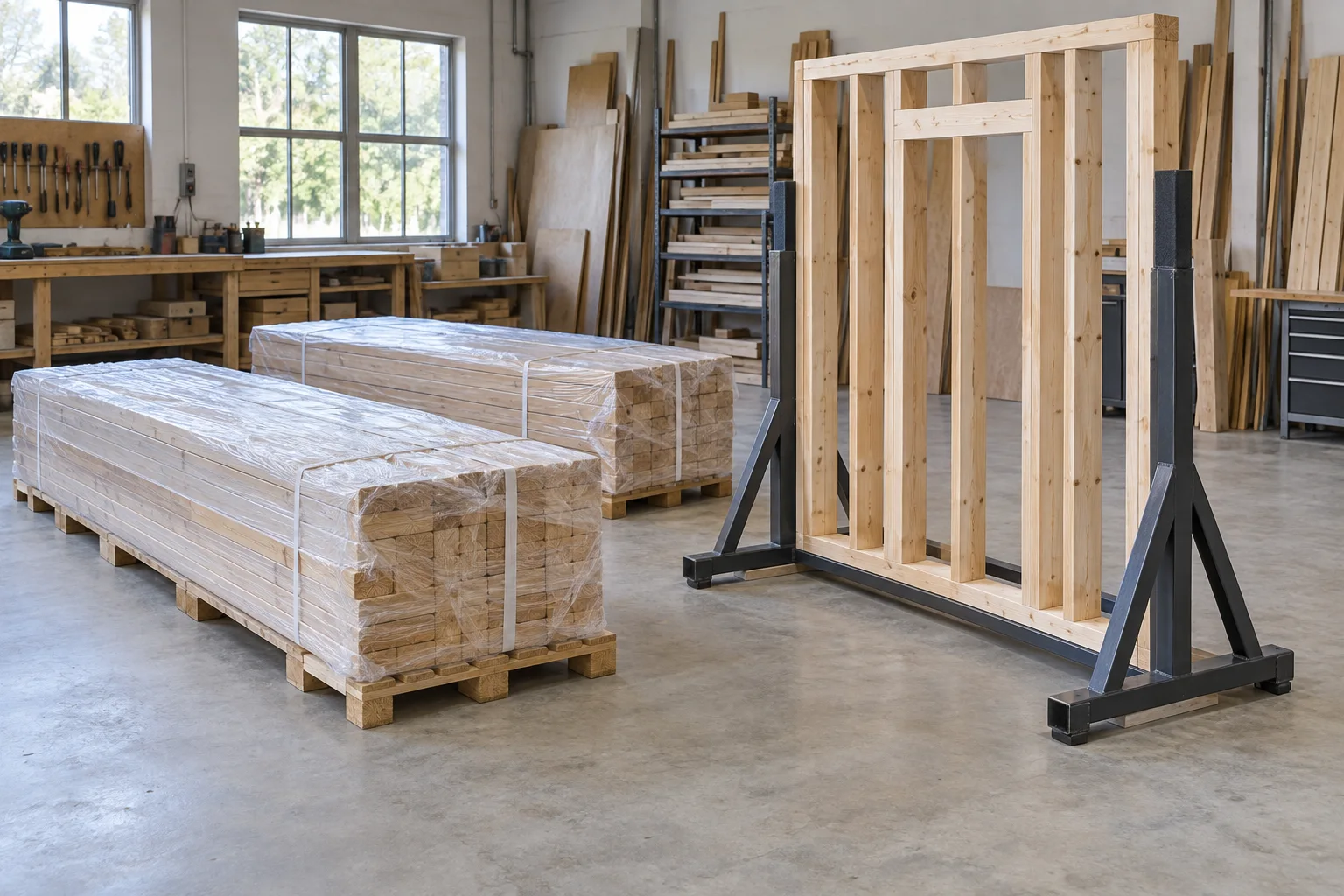
9. Make a conditional decision, then close the gaps
Consider a hypothetical accommodation buyer comparing a largely completed unit with a panel package. The site team can assemble panels, but the access route for a larger unit has not been reviewed. The sensible outcome is not to declare panels universally better. Keep the large-unit option conditional while obtaining the missing route assessment.
Now suppose the same buyer has no available installation team for the panel system. That changes the comparison again. Neither route is ready for commitment until its essential dependencies are assigned. This exercise shows why a low headline price or short factory lead time cannot settle the decision alone.
Write a short decision record: chosen route, rejected alternatives, evidence relied on, unresolved conditions and the person responsible for each condition. Attach the agreed scope and document versions. If a critical assumption changes, reopen the decision before releasing manufacture rather than trying to preserve an outdated conclusion.
For repeat purchases, review the first completed supply and installation experience against that record. Use actual observations with permission and clear context. Do not generalise one smooth delivery into a guaranteed outcome for other sites, climates or teams.
Include aftercare in the decision record. Ask how a replacement component is identified, whether the supplier needs photographs or a part reference, and who assesses a problem spanning factory and local work. Agree the contact route and contractual responsibility without assuming an immediate replacement or a universal warranty period.
For a distributor, keep that information usable by the next customer-facing team. A repeatable sales offer needs a repeatable explanation of inclusions, limits and support, not just a repeatable exterior. Review proposed customer descriptions against the actual documents before promising a delivery stage or completed use.
Frequently asked questions
Are prefab cabins always cheaper than site-built cabins?
No. Compare actual quotations at the same completion stage and include destination work, transport, professional review and unresolved allowances. A lower package price is not a lower completed-project cost. This guide provides no universal saving percentage or CabinWild price promise.
Are modular cabins and prefab cabins the same?
Prefab is a broad description of offsite manufacture. Modular often refers to three-dimensional units, but suppliers may use the word differently. Ask what is manufactured, what arrives and how the final structure is assembled. Use the documented system and scope, not the label alone.
Does a pre-built cabin arrive ready to occupy?
Not necessarily. Positioning, foundations, local connections, finishing, inspections and permission for the intended use may remain outstanding. Ask the supplier to identify the exact delivery stage and ask the destination team what must happen before occupation. A finished exterior is not an approval document.
When should a buyer postpone a prefab order?
Postpone when an essential condition remains unresolved, such as feasible access, a responsible installation team, necessary design information or destination review. Identify the missing evidence and owner. A conditional shortlist is useful; releasing manufacture on unsupported assumptions can commit the project too early.
What should I send CabinWild for an initial comparison?
Provide the destination, intended use, quantity, desired completion stage and known site constraints. Explain which activities your local team can perform and which need support. Ask about available systems and documents, then compare the resulting proposal with local alternatives on a consistent basis.
Conclusion: prefab is valuable when the complete route fits
Prefab cabins are worth evaluating when their production and delivery approach solves a defined project need. The decision becomes credible when scope, local capability, logistics and evidence align. Keep assumptions visible and compare every alternative at the same finished-use boundary.
Send your project brief to info@CabinWild.com. Ask for available supply stages and supporting information so your team can assess the fit before committing to a final cabin order.
Is prefab a fit for your project?
Send your destination, intended use, quantity and local installation arrangements. Ask CabinWild which available supply stages fit your comparison.
Prepared with AI assistance for CabinWild Editorial using the linked public sources. Examples are illustrative, not customer results or verified CabinWild test data. Project-specific design and local requirements need review by the appropriate professionals.