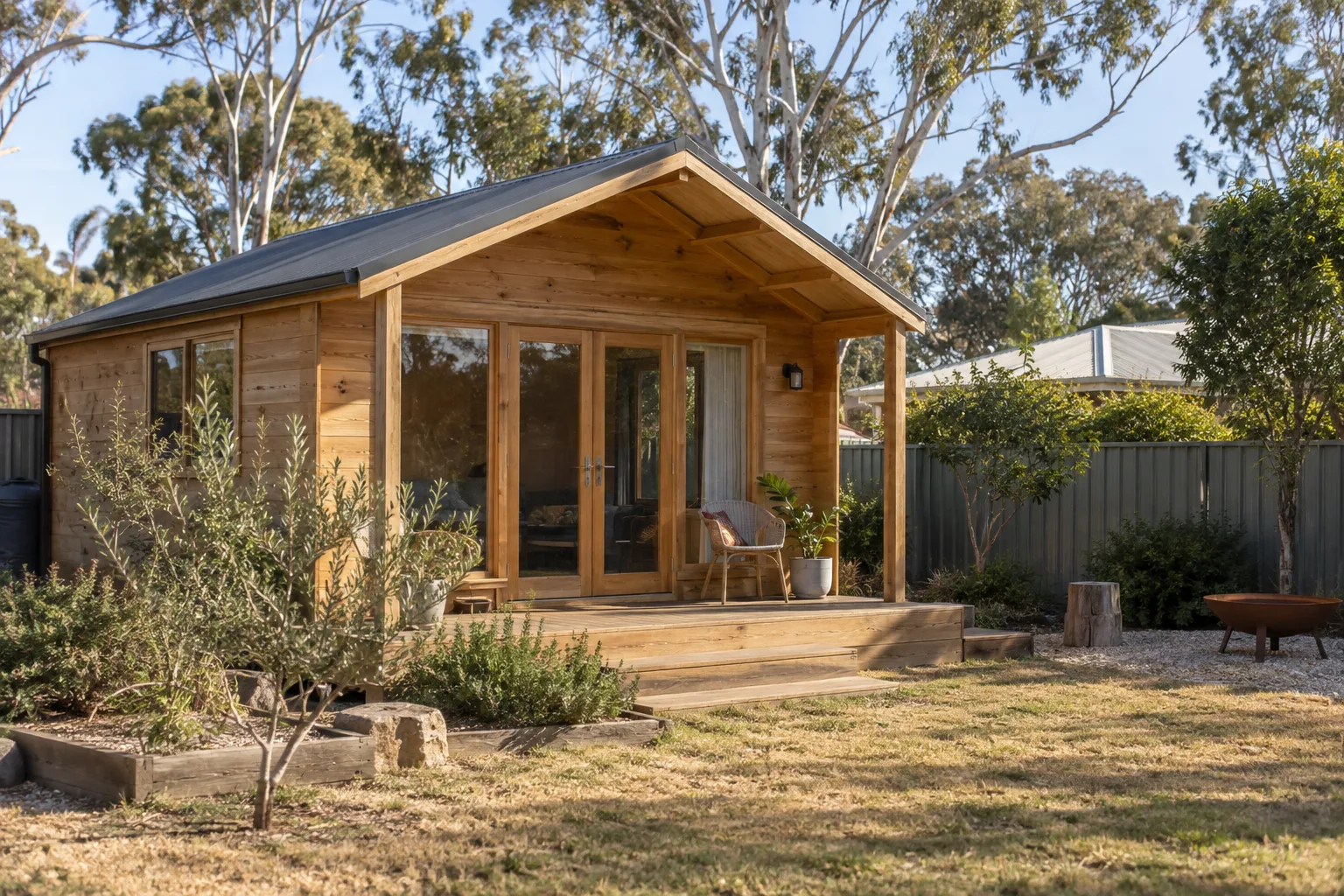
When comparing wooden cabin kits for Australia, run the import and building reviews separately before committing to production. Confirm the actual timber components and BICON conditions, then have the local team assess the intended use, site and applicable building requirements. A kit that can enter Australia is not automatically approved for installation or occupancy at your property.
Introduction: a cabin purchase crosses more than one approval boundary
An overseas kit price can be attractive, but the purchase is only useful when the goods can be imported and the proposed building can be completed at the selected site. Those are different questions. A clean timber package does not establish building suitability, while a promising concept drawing does not establish the shipment's biosecurity documentation.
This guide helps Australian buyers, distributors and project coordinators organize those reviews before ordering. It is a procurement checklist, not legal advice, a BICON determination or a structural design. CabinWild does not claim an Australian factory, local approval or a particular certified model here. Product availability, supply scope and evidence must be confirmed for the actual enquiry.
1. Define the Australian site and intended product application
State the state or territory, local government area, intended use and whether the cabin will be a separate building or part of another development. A garden office, guest room, rental accommodation and dwelling should not be described interchangeably. Tell the local adviser what occupants will actually do inside, including sleeping, cooking and bathing.
Record the site's known constraints without inventing design solutions. Access, slope, existing services, vegetation, neighboring buildings and exposure may affect the viable package. Ask the relevant professionals to identify the surveys and approvals needed. Do not choose a foundation, fire specification or wind rating solely from an online description of the region.
For backyard cabins Australia searches, pay particular attention to the relationship with the existing property. The route for deliveries, available work area and proposed service connections may determine whether a component kit or more completed unit is practical. Resolve these questions early enough to influence the supplier's offer rather than treating them as minor installation details.
2. Confirm the building review route before selecting a package
Ask the local building professional which classification and applicable requirements fit the intended use. Identify the adopted code provisions and any state, territory or local conditions that matter to the project. A generic statement that a cabin follows an international standard is not enough; the reviewer needs evidence that can be used under the destination's actual approval process.
The Australian Building Codes Board publishes material on prefabricated, modular and offsite construction and its work toward a national certification approach. Do not convert that initiative into a claim that every imported prefab is certified. Ask what evidence applies to the particular manufacturer and product, and confirm the current position with the appropriate adviser.
Create a document request list before production. The supplier may provide drawings, component data and manufacturing information, while local professionals prepare site-specific design and submissions. Assign ownership of each required item. If a critical document cannot be supplied, resolve the gap before the buyer becomes committed to an unsuitable package.
Further reading: Australian Building Codes Board: prefabricated and modular construction.
3. Check BICON against the actual timber components
Australia's Department of Agriculture, Fisheries and Forestry states that imported timber and related products must comply with the applicable Biosecurity Import Conditions system requirements. The importer is responsible for ensuring compliance. Start with the real material description rather than the words wooden cabin: identify timber types, processing, dimensions, origin and any bark or other relevant characteristics.
BICON separates different timber scenarios, including logs, log cabins and oversize timber. Have the importer or an appropriate specialist identify the current case for the actual goods. Do not assume a treatment used on a previous order is automatically acceptable for a different component, origin or shipment date. Save the applicable review information and recheck it before dispatch.
Ask the supplier which records can demonstrate the relevant manufacturing process or treatment. A generic statement that the wood is dry or fumigated may not answer the required documentary conditions. Confirm the wording and supporting evidence with the import team before production and packing decisions become difficult to change.
Further reading: DAFF: importing timber and related products; BICON: timber import-condition scenarios.
4. Review packaging and cleanliness separately from the cabin
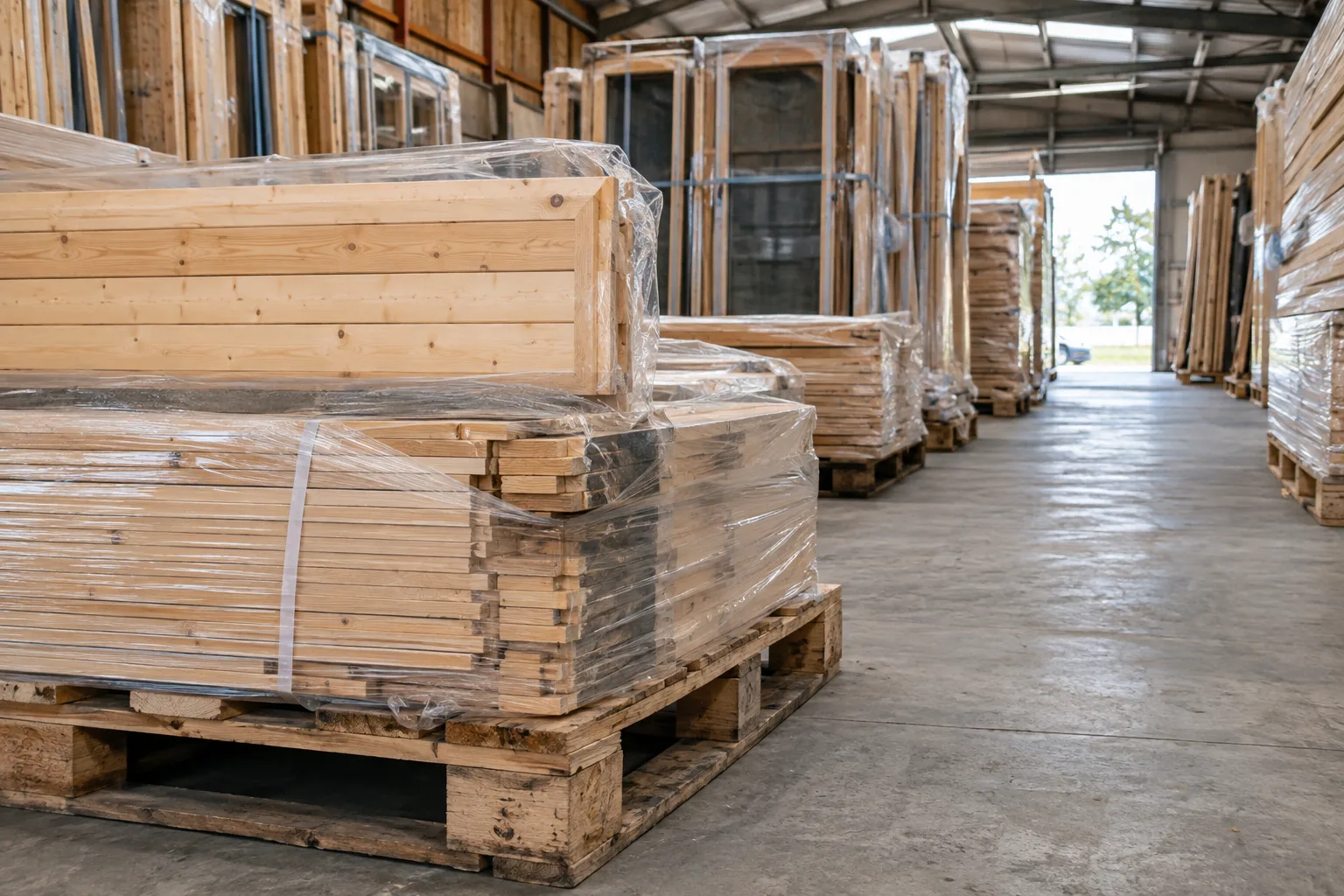
The packaging may contain pallets, crates, bearers or dunnage made from materials different from the cabin itself. List them separately in the import review. DAFF provides specific requirements for timber and bamboo packaging used to support or protect imported goods. A compliant packaging arrangement does not by itself establish the admissibility of the product components inside it.
Specify protection that supports both inspection and safe handling. Components should remain identifiable, and the importer should understand how accessible items can be examined if required. Ask the supplier and forwarder to plan for the actual package configuration rather than relying on an attractive photograph of a tightly wrapped bundle with no usable component references.
Keep the storage and handling history clear enough to support the required documentation. Do not allow a last-minute change in packing materials to bypass the agreed review. If the supplier proposes alternative bearers or an additional crate, have the import team confirm the implications before dispatch. Small packaging changes can be relevant even when the cabin model is unchanged.
Further reading: DAFF: timber and bamboo packaging requirements.
Turn these questions into a project brief
Send the state or territory, site, intended use and preferred kit format. Include your local adviser's document requests and ask for a clearly scoped proposal.
5. Compare flat pack cabin kits Australia by completion scope
Request a line-by-line schedule for the structure, floor, roof covering, windows, doors, insulation, internal finishes, hardware and services. Identify what is supplied loose, what is factory-assembled and what is excluded. A flat-pack description tells you something about transport format, but not whether the package creates a finished office, a weather-tight shell or only part of the structure.
Ask the proposed installer to review the instructions and component list. Confirm whether the local team can complete the work and which specialist trades are required. Do not assume a short advertised assembly time includes foundations, service connections, drying, inspections or correction of missing parts. Request an installation scope based on the actual kit and site.
For a hypothetical backyard project with restricted side access, smaller packages may be easier to move than a completed module, but that is not automatic. Package lengths, weights, turning space and storage still matter. Have the contractor assess the route and handling method. Avoid making the purchase on the assumption that anything called flat pack can be carried through an ordinary doorway.
Further reading: Clarify kit inclusions and local work.
6. Coordinate the enclosure with the destination brief
Australia contains very different climate and exposure conditions. Supply the actual location and obtain local design criteria rather than asking for a general Australian version. The structure, weathering, insulation, glazing, shading and services need to be assessed together. A supplier's strongest or thickest option is not a substitute for evidence matching the site.
Ask for a complete enclosure schedule with relevant product information and the assumptions behind performance claims. If the cabin is intended for full-time use, explain that at the start. If it is a daytime office, record the working hours and equipment. A seasonal-use label or an insulated-wall description does not establish the performance of the completed space.
Keep fire, termite, moisture and structural questions with qualified local professionals. This article does not recommend a universal treatment, wall thickness or roof rating. The buyer's practical role is to request the necessary information and prevent unreviewed substitutions. If the local designer changes a requirement, update the supplier's drawings and quotation together.
7. Separate customs, tax and freight from the goods price
The Australian Border Force provides import requirements and explains where importers can obtain classification and valuation guidance. Have a qualified broker assess the actual transaction. Do not assume that a cabin's marketing name determines its tariff classification or that the absence of a general import licence means no other conditions apply to the goods.
List the quoted delivery boundary and identify origin handling, main freight, destination charges, broker work, applicable taxes, inland transport and unloading. Ask which party is responsible for each item. Use current professional estimates for the route rather than borrowing figures from another shipment. Keep currency and validity dates visible in the comparison.
Compare an imported offer with a locally coordinated package on the same completion basis. A local seller may include some document or installation support; an overseas seller may quote only goods. Neither format is automatically preferable. The buyer needs a clear view of the tasks, costs and evidence that remain outside each offer.
Further reading: Australian Border Force: requirements to import goods; Compare complete cabin offers.
| Workstream | Question to close | Typical supporting record |
|---|---|---|
| Building route | What is required for this site and use? | Local adviser request list |
| Biosecurity | Which current conditions apply? | Component facts and import review |
| Customs | How is this transaction declared? | Broker instructions and commercial records |
| Local completion | Who installs and connects the package? | Contractor scope and readiness plan |
| Acceptance | Which checks and approvals remain? | Inspection and handover schedule |
8. Agree factory testing and shipment inspection in writing
Ask what each proposed check establishes. A factory dimensional inspection, a material record and a completed-service test are different forms of evidence. Identify the method, acceptance criterion and responsible reviewer where a particular result is required. Do not convert a general quality-control statement into an Australian certification claim.
Shipment inspection should reconcile the order, component schedule, accessible condition and import documents. Record package references and unresolved exceptions. Where the importer requires specific evidence, confirm it before dispatch rather than hoping a generic packing list will be accepted. A photograph can support identification but cannot replace every documentary or technical requirement.
Define the response if something does not match. Who can release a corrected package, approve a substitution or postpone shipment? Keep the person responsible for technical acceptance separate from someone merely arranging transport. The purpose is to make the decision route clear while changes can still be made at the supplier's facility.
Further reading: Plan a shipment document review.
9. Confirm installation preparation before the container leaves
Have the local contractor confirm foundation readiness, access, unloading, storage and service locations against the final drawings. If the site cannot receive the kit, agree an appropriate storage arrangement and its cost before shipment. Do not assume a container can remain indefinitely at the destination without contractual and practical consequences.
For backyard cabin kits Australia projects, coordinate the effect on the existing property. Where will work take place, how will residents move safely around it, and when will services be interrupted? These are contractor planning questions, not tasks to improvise when the delivery vehicle arrives. Include them in the installation scope and communication plan.
At handover, retain the approved drawings, relevant local records, component references and maintenance instructions. Review any conditions attached to the intended use. A completed interior and a successful import do not mean every regulatory or contractual obligation has been closed. Keep the final acceptance checklist visible until the responsible parties have resolved it.
Practical buyer workshop
Prepare an importer-to-designer handover schedule
Import review and building review involve different evidence, but they should use consistent product descriptions. Create a schedule listing the proposed timber components, other materials, packaging and relevant supplier documents. Ask the importer or broker which details are needed for the actual consignment, and ask the local design team which specification information it needs for the building review.
For a hypothetical backyard project, the buyer may initially request a standard kit and later add a bathroom or change the wall product. Tell both review teams about the change. A revised component or use can affect the questions they need to answer, even if the marketing model name remains the same. Keep the quotation and packing information aligned with the final configuration.
Record unresolved items as explicit release conditions. Do not treat an accepted shipping quote as confirmation that the products can enter the country, or an import release as confirmation that the cabin can be installed on the selected site. Each decision should have its own responsible person and evidence.
Before dispatch, confirm where the documents will be stored and who can access them during clearance and installation. A complete file on one buyer's laptop is not useful if the broker or contractor cannot obtain the required version when a question arises. The handover schedule should support the actual workflow without claiming that it replaces any official process.
FAQ: Australian wooden cabin kit purchasing
Does biosecurity clearance mean the cabin is approved to occupy?
No. Import conditions and building or occupancy requirements are separate. A shipment may satisfy the relevant entry requirements while the site and completed building still need review. Establish both workstreams before purchasing and have qualified local professionals identify the applicable requirements for the actual use and location.
Can I use the same timber documents for every order?
Do not assume that. Applicable conditions can depend on the goods, processing, dimensions, origin and current requirements. Have the import team check the actual component schedule and supporting records. Reassess substitutions and packaging changes, and verify the relevant conditions again before dispatch rather than relying indefinitely on an old example.
Are flat-pack cabins easier to install in a backyard?
They may offer a different handling route, but package size, weight, access and assembly work still need assessment. Ask the contractor to review the real delivery schedule and instructions. A flat-pack label does not prove that components fit through a narrow side passage or that the remaining work is simple.
Does a prefab certification initiative certify this product?
No general initiative should be treated as evidence for an individual cabin. Ask which current certification or other evidence actually applies to the manufacturer, product and intended route. Have the local reviewer assess its scope. Do not substitute a policy announcement or generic factory claim for the required project documentation.
What should an Australian enquiry include?
Provide the state or territory, local site, intended use, preferred format and access constraints. Include the local adviser's document requests and the importer's material questions. Ask for a defined supply scope and available evidence. Confirm availability and responsibilities before assuming a proposed package can be imported and completed at your property.
Conclusion: coordinate import and site decisions before production
Wooden cabin kits Australia buyers can compare confidently only when the actual goods, import conditions, local design route and completion scope are clear. Review BICON and packaging requirements with the import team, then coordinate the cabin with the destination's building and site needs. Keep those decisions connected without treating one approval as a substitute for another.
Send CabinWild your Australian destination and customer requirements through the inquiry form. Request a proposed package and the documentation available for review. Confirm the local installation team, commercial boundaries and shipment readiness before placing the final order.
Prepare an Australian cabin sourcing brief
Send the state or territory, site, intended use and preferred kit format. Include your local adviser's document requests and ask for a clearly scoped proposal.
Prepared with AI assistance for CabinWild Editorial using the linked public sources. Examples are illustrative, not customer results or verified CabinWild test data. Project-specific design and local requirements need review by the appropriate professionals.