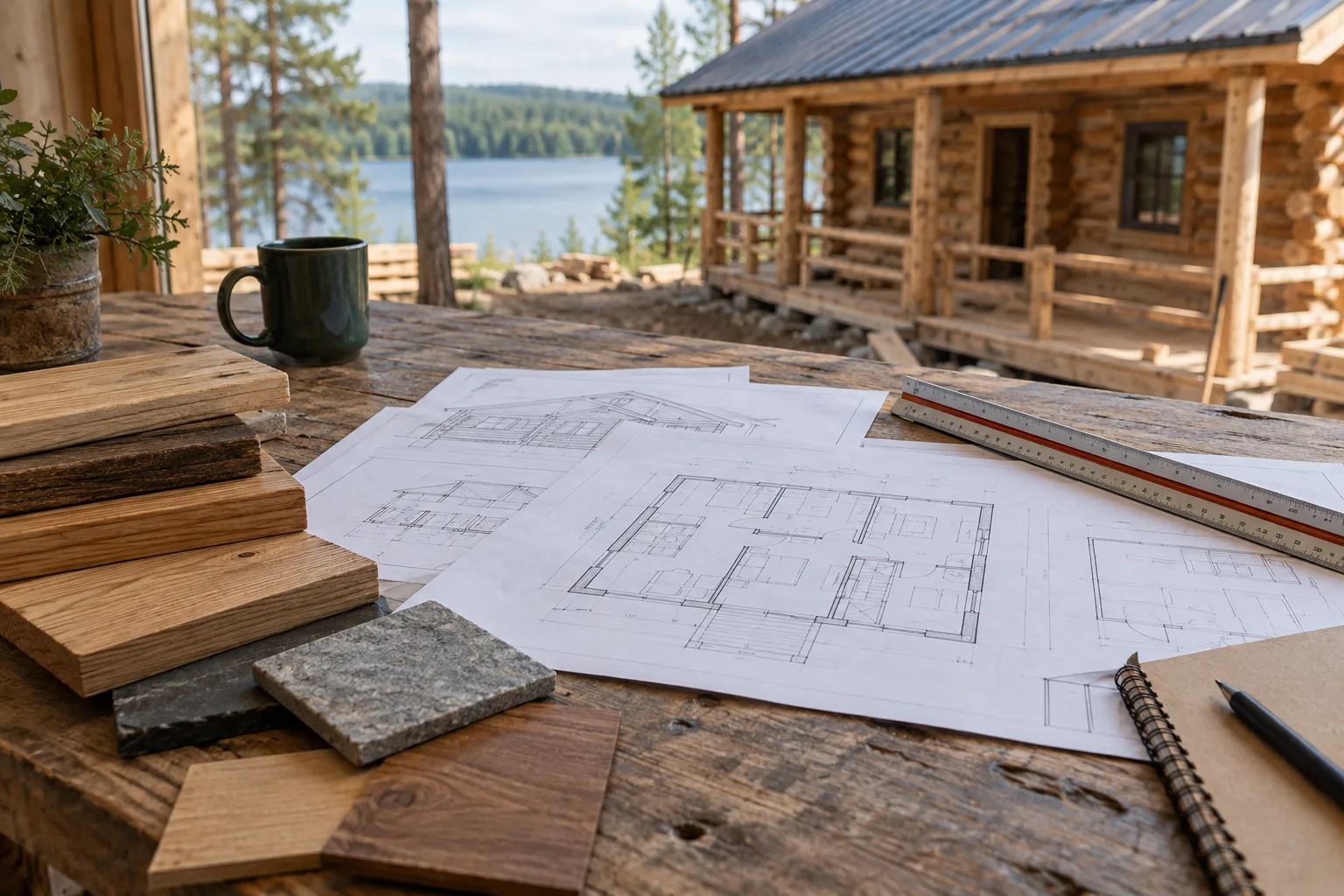
Compare log cabin prices and floor plans by matching the same drawing revision, area definition, supplied components and completion stage. Then separate transport, taxes, local works and optional fitout. A low advertised price is not a comparable project total until those boundaries are clear. Use written offers and leave unknown costs unresolved rather than treating them as zero.
Introduction: the cheapest number may describe a different building
A catalogue can show two cabins with similar photographs and very different prices. One may be a wall-and-roof kit, while the other includes windows, an insulated floor and interior lining. Their displayed areas may also use different measurement conventions. Until those differences are resolved, the apparent price gap says little about which offer meets the buyer's requirements.
This guide is for overseas buyers and distributors comparing written offers. It provides a reconciliation method, not current market prices, a tax calculation or a valuation. All numerical examples are deliberately hypothetical. CabinWild prices, stock and project availability must be confirmed in an actual quotation; no figure in this article represents a current offer.
1. Tie log cabin prices and floor plans to one revision
Ask the supplier to identify the exact model, drawing number and revision used for the quotation. Keep the floor plan, elevations and key sections together. A familiar model name is not enough if the doorway has moved, the roof has changed or a bathroom has been added. Record those choices before comparing prices with another supplier's standard configuration.
Mark whether the drawing shows supplied construction, optional items or furnishings for illustration. A bed or kitchenette in a rendering does not prove it is included. Ask the supplier to distinguish included fixtures from suggested layouts. This is especially important when a product image is reused across several package levels with different finish and service scopes.
Use a simple revision register. For each changed item, record the previous arrangement, new requirement, cost effect if quoted and whether the change affects local review. Do not compare an updated quotation with an older plan merely because the filenames look similar. The signed order should identify the actual documents that define what is being purchased.
Further reading: Review cabin floor plans before comparing models.
2. Ask how the advertised area is measured
Determine whether the quoted area is based on external dimensions, internal floor space, roof footprint or a combination that includes a porch or loft. Ask for dimensioned drawings and the calculation basis. Do not assume two suppliers use the same convention simply because both write square metres beside the price. Confirm how wall thickness and low-headroom areas are treated.
A hypothetical rectangle measuring 6.0 m by 4.0 m externally has a 24.0-square-metre external footprint. That is not automatically 24.0 square metres of usable internal room. Walls, partitions and service zones consume space. A separate 6.0 m by 1.5 m porch adds 9.0 square metres of outdoor area, but it should not be counted as equivalent to enclosed accommodation when comparing offers.
A price-per-area calculation can help only after the denominator is consistent. Keep external footprint, internal usable area and outdoor additions in separate columns. For lofts or sloping roofs, request the finished sections as well as the plan. The local designer determines any applicable statutory area and headroom requirements; a supplier's marketing area does not settle those questions.
3. Compare the same completion stage
Write down what each supplier means by kit, shell, weather-tight, finished or turnkey. These terms are not sufficiently precise on their own. Ask for a component schedule showing structural parts, roof covering, windows, doors, floor layers, insulation, internal finishes and services. Then identify the work remaining after the supplied package reaches the site.
If one offer includes bathroom fixtures and another shows only a reserved room, keep the difference visible. Do the same for factory wiring versus a destination electrical connection, or supplied insulation versus installed and verified insulation. The goal is not to decide that one completion stage is always better. It is to establish whether the buyer has the local capacity to complete the excluded work.
The International Trade Administration describes the pro forma invoice as a negotiating document that identifies the goods and commercial terms. Use that documentary approach to request a detailed offer rather than relying on a social-media price. A final purchase should reconcile the commercial description with the drawings and component schedule, not leave them as three conflicting versions of the cabin.
Further reading: International Trade Administration: export quotation and invoice documents.
4. Build one comparison matrix for wooden cabin prices
Use the same rows for every supplier and distinguish included, excluded, optional and unresolved items. Ask each supplier to correct your interpretation in writing. Do not populate missing amounts with a guessed allowance and then present the resulting total as a firm offer. A comparison can be useful while incomplete, provided the missing information remains obvious.
For each included item, record a document reference rather than only a tick. An insulated roof can mean different layer arrangements; double glazing can have different frame and whole-window characteristics. Relevant product information helps your local advisers assess equivalence. It is not necessary to force every supplier into the same product brand, but the proposed alternatives must answer the same requirement.
Keep commercial preferences separate from technical must-haves. A different cladding colour may be acceptable, while an unresolved structural design requirement is not simply a negotiating point. Decide which differences need professional acceptance and which can be approved by the buyer. That distinction makes supplier conversations shorter and prevents a visually attractive option from hiding a material gap.
| Comparison row | Offer A | Offer B | Evidence required |
|---|---|---|---|
| Drawing and area basis | To confirm | To confirm | Revision and dimensioned plan |
| Enclosure components | Itemized scope | Itemized scope | Layer and window schedules |
| Internal fitout | Included or excluded | Included or excluded | Fixture and finish lists |
| Local completion | Named tasks | Named tasks | Installer scope |
| Delivery and taxes | Stated boundary | Stated boundary | Written commercial terms |
| Verification and handover | Agreed records | Agreed records | Inspection and document schedule |
Turn these questions into a project brief
Send the preferred layout, destination, quantity and completion stage. Ask for a drawing-linked offer with clear inclusions, exclusions and delivery terms.
5. Separate the cabin price from its delivery boundary
Record the proposed trade term, named place and version where Incoterms rules are used. The International Chamber of Commerce explains that these rules allocate specified delivery-related responsibilities between buyer and seller. They do not turn a short price label into a complete building contract. Ask the forwarder and commercial advisers to review the actual transaction and identify remaining obligations.
List origin handling, main transport, destination handling, customs services, storage, inland delivery and unloading as separate questions. Some may be included under the agreed arrangement and others may not. Avoid assuming that delivery to a port includes placement on the foundation. The final access route and unloading plan can materially change the local work required.
Check the validity period of freight estimates and the assumptions about package size and weight. A layout change can alter the shipment even if the cabin's advertised floor area remains similar. Ask for revised packing information when significant components change. Keep the transport comparison tied to the same revision as the goods quotation.
Further reading: ICC: Incoterms 2020 responsibilities; Compare cabin freight and risk responsibilities.
6. Keep tax, currency and timing assumptions explicit
Ask whether each amount includes applicable tax and which currency is being used. Have a qualified broker or tax adviser determine the destination treatment for the actual goods and transaction. Do not copy a duty rate from another cabin order or assume a tariff classification from the product's marketing name. Components, supply format and destination rules may need specific review.
As a jurisdiction-specific example, UK government guidance separates VAT treatment for imports into Great Britain and Northern Ireland. That illustrates why destination and transaction details matter. It is not a tax calculation for your cabin or advice that the same treatment applies elsewhere. Record the professional advice relied on when comparing a delivered cost.
For offers in different currencies, record the exchange-rate source and date used for your internal comparison. Keep that conversion separate from the supplier's quoted currency and payment obligations. If a budget remains open for several months, refresh the comparison rather than presenting an old converted amount as today's price. No exchange-rate prediction is needed to make the uncertainty visible.
Further reading: UK government: VAT on imports and destination distinctions.
7. Test options against the actual product application
Ask whether each proposed option solves a documented customer requirement. A larger window may improve the desired view but also change shading, privacy and enclosure questions. An additional bathroom may affect layout, service connections and maintenance. Compare options as coordinated changes rather than adding attractive upgrades one line at a time without reviewing their combined effect.
Distinguish a supplier option from locally supplied work. A buyer may choose to source appliances near the destination for service reasons, while retaining factory-prepared spaces and connection details. Confirm dimensions, responsibilities and warranties before excluding the item from the factory order. A lower supply price can be useful, but only when the remaining work is feasible and clearly assigned.
For a hypothetical two-unit purchase, compare a shared standard package with individual upgrades for each unit. Record which parts remain common and which require separate drawings or spares. This is not a recommendation to standardize every guest experience. It is a way to see how customization affects purchasing, inspection and later support before approving the order.
8. Include evidence and acceptance in the price comparison
A quotation should identify the documentation and inspections included in the purchase. Factory testing needs a defined purpose and record; shipment inspection checks the supplied package; destination commissioning addresses the completed installation. Do not assume all three are included because an offer uses the phrase quality checked. Ask which requirements are priced and who accepts the results.
Also compare the process for an exception. If a window arrives damaged, who records it, who assesses responsibility and what information is required to arrange a replacement? Keep the contractual process under professional review where necessary. A clear evidence trail is a practical purchasing requirement, not a promise that every possible delay or dispute can be eliminated.
The International Trade Administration notes that an export packing list and commercial invoice serve different functions. In a component-heavy cabin order, reconcile both with the approved package references. A price comparison becomes more useful when the buyer can trace the agreed goods through the shipment rather than relying on a single model name.
Further reading: International Trade Administration: packing lists versus invoices.
9. Decide what a prefab cabin with prices actually tells you
A published price can be a useful starting point when its date, model and scope are clear. Treat it as a screening tool, not proof of stock, destination suitability or a finished project total. Request a current written quotation once the preferred layout and site requirements are known. Keep provisional figures separate from amounts accepted in the order.
Before choosing, summarize the remaining unknowns for each offer. An apparently more expensive supplier may include tasks excluded elsewhere; an apparently complete offer may still depend on unpriced site work. Do not rank the alternatives by total alone until important differences have been reviewed. The comparison should show both cost and the amount of unresolved work the buyer would inherit.
Save the final plan, scope matrix and commercial offer together. Record why the chosen package best fits the intended use and who approved technical alternatives. That decision record helps when a later change is proposed or the project is handed to a different installer. It also stops an old catalogue image from becoming the default interpretation of a carefully negotiated order.
Practical buyer workshop
Use a written reconciliation request before the final comparison
Send each shortlisted supplier the same short schedule of unresolved items. Reference the plan revision, area definition and desired completion condition. Ask for a written response identifying included, excluded and optional work, with separate prices where available. This makes the next comparison traceable instead of relying on a salesperson's interpretation of an earlier conversation.
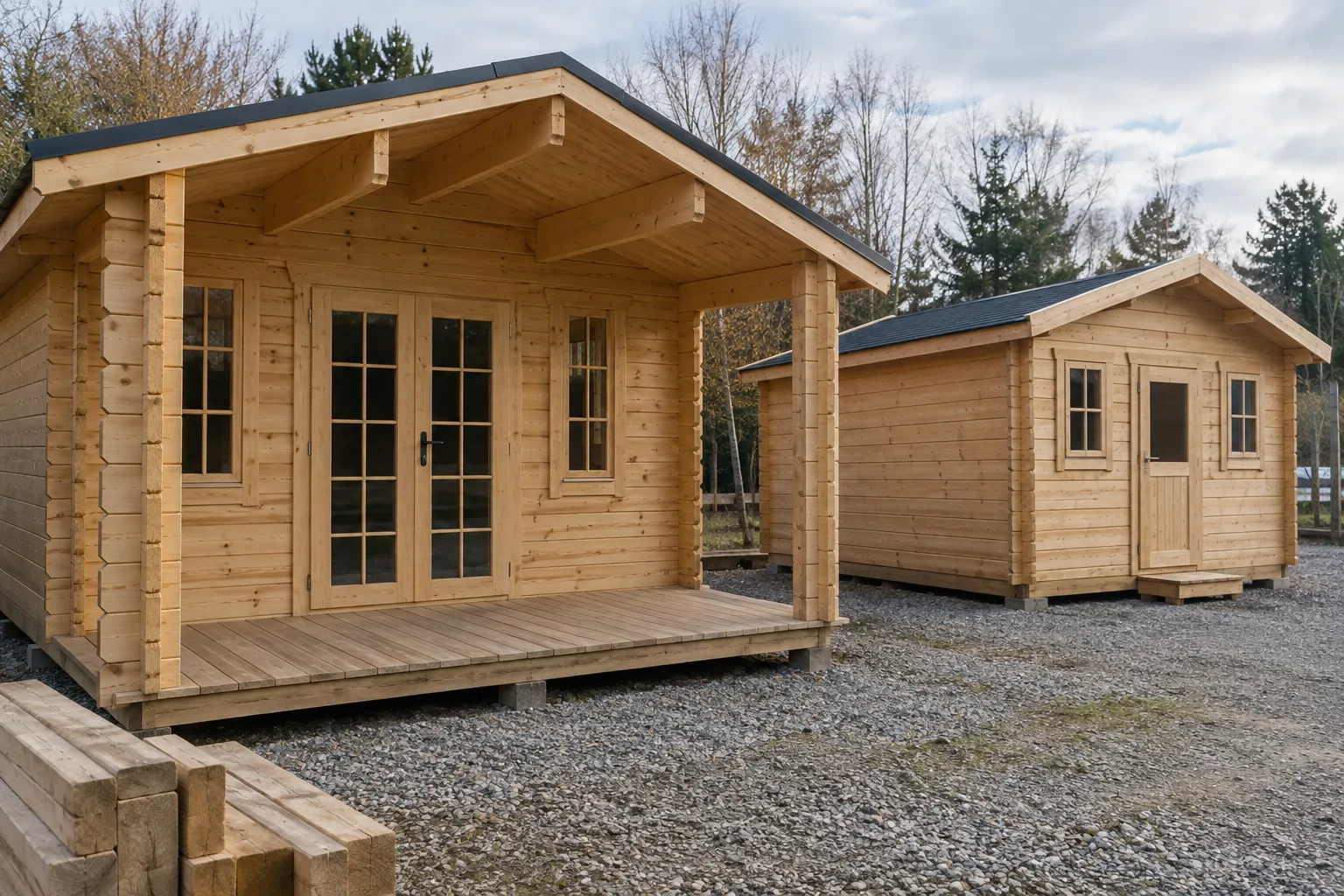
For a hypothetical offer showing a covered porch, ask whether the porch structure, roof, floor, supports and local installation are included. The answer may legitimately differ between suppliers. What matters is that the buyer compares the same finished scope or explicitly recognizes the difference. Do not assign a guessed value to an excluded item merely to make a spreadsheet total look complete.
Record the response date and quote validity. Keep superseded offers out of the active comparison while retaining them in the project history. Once the preferred option is selected, turn the reconciled schedule into the agreed order documents so the pricing exercise continues to protect the buyer during production and delivery.
FAQ: comparing cabin quotations
Why do similar timber cabin prices differ so much?
The offers may use different area definitions, materials, completion stages and delivery boundaries. Compare the exact drawings and component schedules before judging the gap. Also identify local work, taxes and verification requirements. A similar exterior photograph does not establish that the buyer is being offered the same completed building.
Can I compare log cabin prices per square metre?
Only after confirming the same measurement basis and supply scope. Separate internal space, external footprint, loft and porch areas. A ratio can help organize comparable offers, but it cannot explain exclusions or site-specific work by itself. Keep the underlying dimensions and package information alongside any calculated comparison.
Does a floor plan prove the furniture is included?
No. Plans and renderings may show furniture or fixtures only to illustrate possible use. Ask for an itemized inclusion schedule and mark optional or locally supplied items. Tie that schedule to the quoted drawing revision so the final order does not rely on assumptions about what a product image depicts.
Should I use an advertised price for a project budget?
Use it only as a clearly labelled preliminary reference with its date and stated scope. Obtain a current written offer and local estimates for the excluded work before committing. Do not treat unknown freight, tax or installation costs as zero, and do not present a provisional total as a firm quotation.
What should I send to request comparable quotes?
Provide the same preferred plan, destination, intended use, quantity, completion stage and technical requirements to each supplier. Ask for drawing-linked inclusions, exclusions, delivery terms and validity. Keep unresolved assumptions visible and have relevant local professionals review technical and commercial questions before accepting the final package.
Conclusion: compare the same cabin before comparing its price
Log cabin prices and floor plans become useful together when the drawing, measured area and supply boundary agree. Reconcile the enclosure, fitout, delivery, local work and evidence, then compare the remaining commercial differences. A clear quotation is one that tells you what will arrive, what still needs doing and which assumptions require confirmation.
Use the inquiry form to send CabinWild your preferred layout, destination and customer requirements. Request a current plan-matched offer with explicit exclusions. Bring the local designer and installer into the review early so the selected price corresponds to a feasible completed project.
Request a plan-matched cabin quotation
Send the preferred layout, destination, quantity and completion stage. Ask for a drawing-linked offer with clear inclusions, exclusions and delivery terms.
Prepared with AI assistance for CabinWild Editorial using the linked public sources. Examples are illustrative, not customer results or verified CabinWild test data. Project-specific design and local requirements need review by the appropriate professionals.