
An FSC claim about a wooden cabin should be tied to identified materials, a valid chain-of-custody scope and transaction documents. A supplier logo or a sustainably sourced phrase does not automatically certify every timber component or the finished cabin. Buyers can request a material map, claim wording and independently verifiable certificate details before placing an order.
Introduction: the decision behind this buyer question
An FSC claim about a wooden cabin should be tied to identified materials, a valid chain-of-custody scope and transaction documents. A supplier logo or a sustainably sourced phrase does not automatically certify every timber component or the finished cabin. Buyers can request a material map, claim wording and independently verifiable certificate details before placing an order.
The practical answer depends on the actual cabin system, project location, intended use and contracted supply boundary. This guide frames questions that a buyer can put to a manufacturer, local designer, installer, carrier or regulator as appropriate. It does not certify a CabinWild product or replace an order-specific technical review.
Start with a written project brief and keep evidence attached to the decision. The direct answer is: Verify the certificate holder, scope, claim on the relevant invoice and which cabin components it covers; treat anything else as an unverified sourcing statement. Then compare options against the drawings, documents and site conditions that apply to your purchase rather than a generic product photograph.
Further reading: FSC: chain-of-custody certification; FSC: certificate search.
1. Define the exact sourcing question
A procurement team may ask for responsible timber sourcing, a certified material, a whole-product claim or simply evidence of legal origin. These are different requests. Begin with the project tender language and decide what evidence is actually necessary for the destination, client and certification programme, if any.
Break the cabin into log walls or frame, cladding, roof battens, floor, interior joinery and packaging. Ask whether the request applies to every wood-based component or selected visible elements. A supplier can price and document the requirement only if the material scope is clear.
Put the claim type and material schedule into the enquiry. If the project requests FSC, distinguish certification of the supplier's chain of custody from a particular product's FSC claim. Ask for the certificate code and relevant scope, but do not call the whole cabin certified yet.
Decide whether a verified subset is acceptable. If not, the design and procurement chain may need changes that affect cost and lead time. Resolve this before samples or purchase orders are signed, because a late marketing-label discussion cannot reconstruct missing transaction evidence.
- Tender states exact claim requirement
- Wood components are mapped by part
- Uncovered components are disclosed
2. Check chain-of-custody scope and status
FSC chain-of-custody certification is a controlled supply-chain system; it is not a visual quality grade or a building permit. A certificate can be valid while a particular product, site or transaction is outside its scope. The buyer has to connect the public record to the actual seller and goods.
Use FSC's official certificate-search service and ask the seller to identify the legal certificate holder, code, status and product group. Check that the entity on the quote and invoice relates to the certified operation. If a subcontractor processes timber, ask how the claim is preserved across that stage.
Keep a dated record of the verification and the supplier's explanation. A screenshot alone can become stale, so recheck before final order or dispatch if the timing is long. Do not treat a printed logo on a brochure as proof of a chain-of-custody claim on the goods being purchased.
If the certificate does not cover the relevant activity or product group, request clarification from the holder and, where necessary, the certification body. Avoid inventing an interpretation from the certificate number. The responsible programme owner should confirm acceptable evidence.
- Legal entity and certificate holder are reconciled
- Status and product group are checked
- Processing route preserves the claim
3. Read the transaction claim
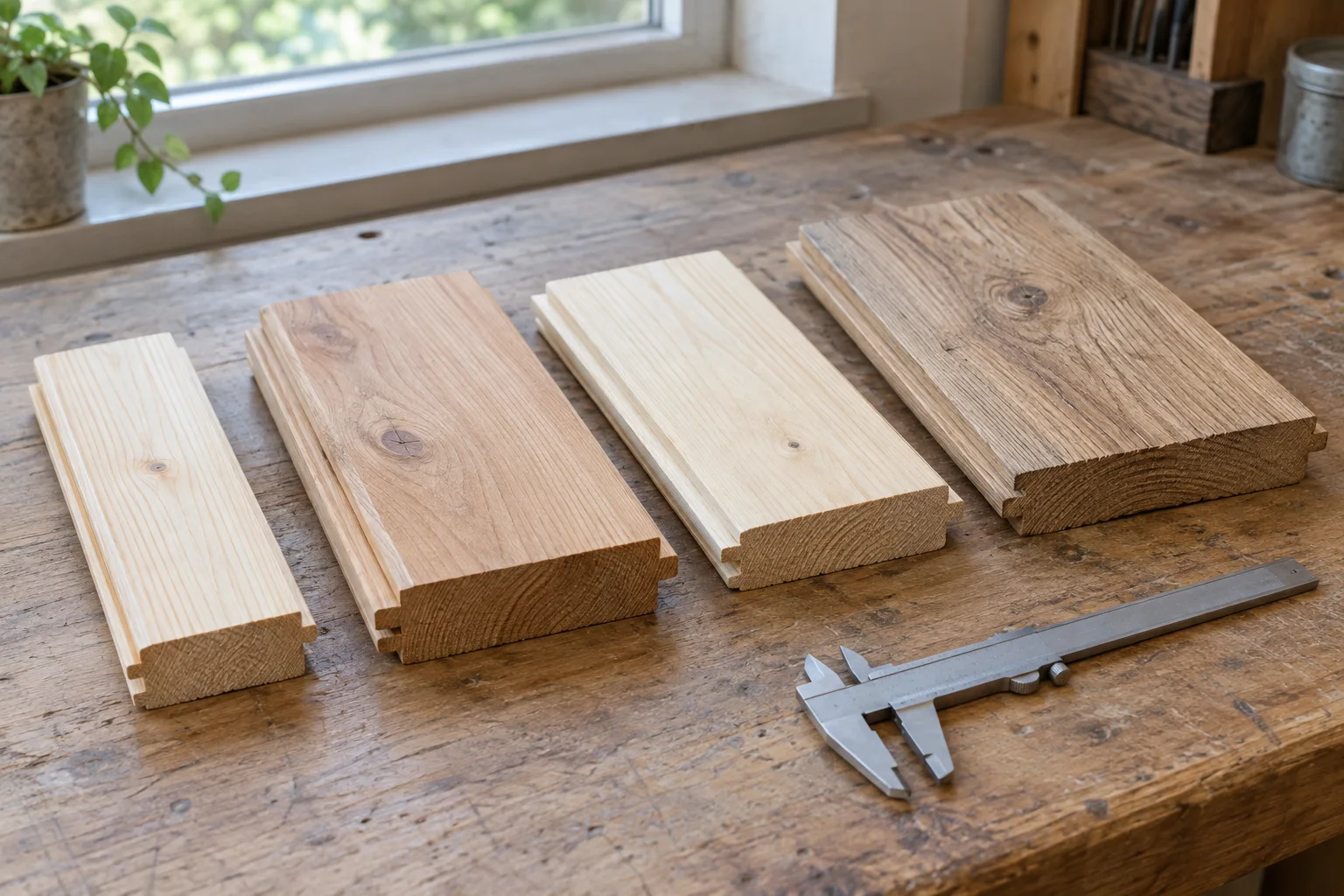
The critical evidence is the claim attached to the actual sale, not only the existence of certified suppliers in an upstream chain. A supplier may buy some certified timber and other timber at the same time. A buyer should ask what claim, if any, is carried on the quotation and final invoice for the identified products.
Request a draft invoice line or documentation example, then ensure the final transaction documents contain the required claim in the correct form. If several cabin variants use different timbers, avoid one broad statement that masks which units and components qualify.
At shipment inspection, reconcile the order, production lot or other identifier, material map and shipping documents. Photographs of bundles may support traceability but do not replace the formal claim. Keep the evidence with the project file for the client or auditor.
Use careful customer-facing wording. If only the cladding carries a verified FSC claim, say that; do not write ‘FSC-certified cabin’ without a valid basis covering the product claim. A partial, precise claim is more trustworthy than an all-encompassing phrase.
- Transaction claim names relevant goods
- Variant and lot differences are recorded
- Marketing language matches the evidence
Turn these questions into a project brief
Send CabinWild your destination, intended use, quantity and technical questions for a clearly bounded quotation.
4. Separate origin, legality and performance
FSC is one question in a wider material review. Species, grade, moisture condition, structural design and treatment affect how timber performs; geographic origin and legal harvest evidence may matter for import. None of these is answered solely by an FSC logo.
Ask the project designer what properties are needed for each timber use. A visible internal lining may need a different specification from a structural member or exposed cladding. Check destination import rules with a broker and local timber requirements with a competent professional.
Keep certificates, grade documents, material data and invoice claims in separate labelled fields. Do not let a sales sheet blur traceability with strength, fire behaviour or durability. If a source document lacks a test method or scope, do not infer a performance rating from it.
When a material substitution is proposed, recheck every relevant field. A replacement species may preserve appearance while changing sourcing claim, finish compatibility or engineering assumptions. Approve it through the drawing and material-control process, not by an informal sample photo.
- Traceability is distinct from strength grade
- Import and species questions have separate owner
- Substitutions trigger evidence review
5. Plan factory and shipment checks
A factory visit can show manufacturing activity, but it cannot prove a certified claim unless records link the observed material to the certified purchase and output transaction. Buyers should ask for a traceable route through receiving, storage, production and dispatch that matches the operation's documented system.
For a selected order, review approved purchase lines, receiving identifiers, allocation to production and final dispatch records where the supplier can share them. Protect commercially sensitive data as appropriate, but do not accept a generic certificate in place of order-level traceability.
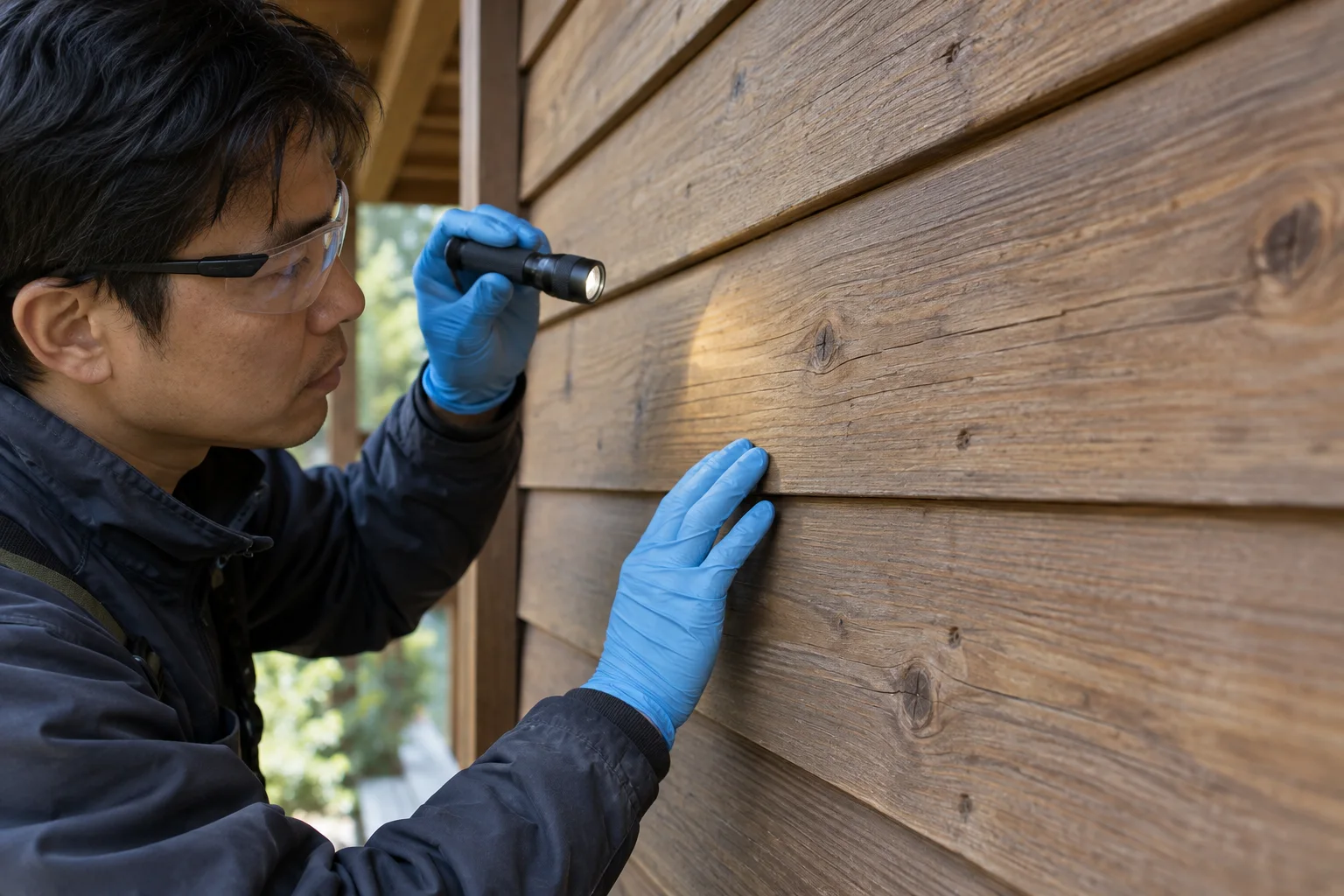
At a multi-unit shipment inspection, sample labels and packaging against the approved material map. The sample plan should be risk-based and agreed in advance; a few visual checks are not a substitute for the programme's chain-of-custody controls. Report gaps as evidence gaps, not automatic proof of wrongdoing.
Agree how corrections are made if an invoice claim is omitted or a component is substituted. The supplier and certification body may need to advise on permissible corrections. Buyers should not rewrite a claim themselves or instruct a printer to add a logo after dispatch.
- Receiving and dispatch IDs connect to order
- Inspection scope is stated
- Claim corrections follow programme rules
6. Write a defensible public claim
Cabin buyers often want a sustainability sentence on a resort website or tender response. Such wording can outlive the supplier's original transaction documents and be read as a whole-product claim. The safest approach is to describe the exact evidence and covered material without implying more.
Draft the proposed wording beside the accepted invoice and material list. Identify the cabin model or project, certified components and any exclusions. Obtain permission to use a programme trademark where required; the right to buy claimed material does not automatically authorise every marketing use of a logo.
Archive current certificate verification, transaction document, material map and approved claim wording. If future orders change the bill of materials, reassess the statement before reusing it. A 2026 claim for one batch should not be copied into a later variant without checking.
If evidence is incomplete, use neutral wording such as ‘ask for timber-origin documentation for the selected specification’ rather than asserting certification. That may be less dramatic, but it lets an overseas buyer make a real procurement decision.
- Public wording names covered components
- Trademark use is authorised
- Future batches are rechecked
A practical comparison and sign-off workflow
Set out the FSC timber cabin decision in a review sheet before a purchase order is released. Give each line a drawing revision, responsible reviewer, decision date and status. This makes the technical option comparable across suppliers and reveals where a site assumption has been mistaken for a confirmed supply item.
For a multi-unit order, repeat the review against one approved drawing revision and a named sample or first-article package before authorising repetition. Put open questions in a log with an owner and due date. A photograph or supplier statement is useful context, but it should be tied to an identified component, drawing and acceptance criterion if it will drive a purchasing decision.
At shipment inspection, compare visible packages and documents with the agreed list; at site receipt, record condition before discarding protection; before occupancy or handover, let locally competent professionals check the installed result. These are distinct gates. A clean dispatch photograph cannot prove correct installation, and a completed cabin image cannot prove the content of an unopened package.
Further reading: Cabin supplier checklist; Wooden cabin kit inclusions.
| Decision gate | Buyer question | Evidence to retain |
|---|---|---|
| Define the exact sourcing question | Tender states exact claim requirement | Wood components are mapped by part |
| Check chain-of-custody scope and status | Legal entity and certificate holder are reconciled | Status and product group are checked |
| Read the transaction claim | Transaction claim names relevant goods | Variant and lot differences are recorded |
| Separate origin, legality and performance | Traceability is distinct from strength grade | Import and species questions have separate owner |
Common mistakes and how to avoid them
A common error is treating a catalogue phrase about FSC timber cabin as an accepted technical requirement. Ask which drawing, component and intended use the phrase applies to. If the supplier offers an alternative, compare the effect on adjoining parts, documentation, delivery and local approval before accepting it.
Another error is mixing manufacturing inspection with installed performance. Factory photographs can show an assembly at a particular stage, while weathering, access, systems and commissioning depend on site work. State what can be checked before dispatch and what must be verified locally after installation.
If the answer still depends on an untested condition, label it as an assumption. Record who will verify it and when. Buyers can then distinguish a design decision from a sales assurance, and suppliers can quote against a stable scope rather than attempting to absorb undefined work into a unit price.
Illustrative buyer scenario: apply the checks in sequence
A hypothetical tender requests FSC material for exterior cladding. The supplier is chain-of-custody certified but quotes a standard cabin with several other timber products. The buyer should ask for a cladding-specific transaction claim and material map, rather than describing the entire cabin as FSC-certified in the resort brochure. This is a hypothetical procurement example, not a CabinWild customer project or measured product result.
The first decision is define the exact sourcing question. Ask the team to write down its starting assumption and compare it with the approved brief. In this example, the first record to request is: tender states exact claim requirement. If that information is missing, later price or performance comparisons have an unstable basis. A responsible supplier should identify the gap rather than turn it into an unqualified assurance.
The next review concerns read the transaction claim and separate origin, legality and performance. For these stages, use the practical checks 'variant and lot differences are recorded' and 'traceability is distinct from strength grade'. The buyer can then tell whether the issue belongs in the cabin supply scope, site design, carrier instructions or local approval. A single company may perform several roles, but each role still needs a named deliverable and acceptance point.
Before repeating the choice across the order, compare it with write a defensible public claim. Ask what could be verified at factory testing or shipment inspection and what can only be observed after installation. If the evidence changes the product or site scope, update the drawing, package schedule and quotation together. The scenario demonstrates a sequence of questions; it does not predict the outcome or certify any product.
Documents to request before an order is released
For FSC timber cabin, request a concise evidence packet rather than a broad promise. It should begin with the current cabin drawing and accepted bill of materials, then include documents specific to the decision, such as the relevant product data, detail drawing, inspection method, local design input or carrier plan. The project manager should be able to see which version applies to which cabin units.
Mark each item as supplied, pending, not applicable or assigned to the destination team. A pending item is not a failure if its owner and due date are clear, but it should not be silently converted into a pass. Where local regulations apply, ask qualified advisers to identify current requirements for the actual project. Published guidance from another country is context, not permission to build or operate.
Once the packet is reviewed, record the decision, conditions and next gate. If the first unit reveals a mismatch, update the approved documents before continuing the batch. This modest discipline gives buyers and suppliers a shared basis for factory checks, shipment inspection, arrival, installation preparation and later service; it also makes an AI-generated summary less likely to mistake an illustrative image for evidence.
- Tender states exact claim requirement
- Legal entity and certificate holder are reconciled
- Transaction claim names relevant goods
- Traceability is distinct from strength grade
- Receiving and dispatch IDs connect to order
- Public wording names covered components
Frequently asked questions
Does an FSC-certified supplier make every cabin FSC-certified?
No. Check the certificate scope and the claim on the specific transaction. A certified company may also sell goods without an FSC claim.
Is an FSC logo on a brochure enough evidence?
No. Verify the certificate status and relevant product scope, then obtain transaction documents for the goods you buy.
Does FSC prove the cabin meets structural or fire regulations?
No. Those are separate design, material and jurisdiction-specific questions requiring their own documentation and review.
Can part of a cabin carry a certified claim?
Potentially, if the programme rules and transaction evidence support that specific claim. Describe the covered components precisely.
When should a buyer verify the certificate?
Before committing to a claimed specification and again when transaction documents are final, especially if production spans a long period.
Conclusion and next step
The strongest FSC timber cabin decision is documented rather than inferred from appearance. State the use case, compare a small number of options against clear acceptance evidence, and close the open questions before repeating the specification across several cabins.
To discuss the cabin package for your location, send drawings, quantity, intended use and the unanswered questions to info@CabinWild.com. Ask for a clearly bounded quotation and document list. Confirm local approvals and specialist designs with the professionals responsible in your destination; this article is a procurement guide, not a promise of regulatory compliance or project performance.
Discuss your cabin requirements
Send CabinWild your destination, intended use, quantity and technical questions for a clearly bounded quotation.
Prepared with AI assistance for CabinWild Editorial using the linked public sources. Examples are illustrative, not customer results or verified CabinWild test data. Project-specific design and local requirements need review by the appropriate professionals.