
A resort cabin warranty is useful only when its scope, start date, claim route and exclusions align with the supplied package and site responsibilities. Buyers should plan replaceable parts, local labour, shipping, maintenance records and unit identification before the first guest arrives.
Introduction: the decision behind this buyer question
A resort cabin warranty is useful only when its scope, start date, claim route and exclusions align with the supplied package and site responsibilities. Buyers should plan replaceable parts, local labour, shipping, maintenance records and unit identification before the first guest arrives.
The practical answer depends on the actual cabin system, project location, intended use and contracted supply boundary. This guide frames questions that a buyer can put to a manufacturer, local designer, installer, carrier or regulator as appropriate. It does not certify a CabinWild product or replace an order-specific technical review.
Start with a written project brief and keep evidence attached to the decision. The direct answer is: Compare written warranty coverage and practical spare-part support by component, responsible party, response process and total downtime risk. Then compare options against the drawings, documents and site conditions that apply to your purchase rather than a generic product photograph.
Further reading: USDA Forest Products Laboratory: Wood Handbook.
1. Read coverage by component and cause
The phrase ‘five-year warranty’ tells little about what is covered. Structural timber, coating, hardware, glazing, appliances and site installation may come from different parties with different terms. The buyer needs the actual written documents, not a single headline duration.
List every major component and its warranty provider, period, start event, conditions, exclusions and remedy. Distinguish material defect, manufacturing defect, shipping damage, installation error and maintenance failure. Assign disputes at the interfaces in the contract.
Ask for examples of claims and the required evidence format, without relying on anecdotal success stories. Check whether labour, freight and taxes for replacement are included. A free spare part can still leave a remote resort paying substantial downtime and transport.
Compare warranties against the actual use: paid accommodation, frequent turnover, coastal exposure or intermittent heating may affect terms. Do not assume a residential product warranty covers commercial operation.
- Coverage is itemised
- Start dates and conditions are clear
- Commercial use is explicitly reviewed
2. Create a replaceable-parts map
A resort cannot wait for a small seal or hinge to travel across borders if several guest units depend on it. Spare planning should follow failure likelihood, replacement urgency, storage life and the number of identical cabins.
Ask for item codes and compatible alternatives for locks, hinges, gaskets, glazing units, controls, filters and exposed trim. Note which parts need a skilled installer and which staff can safely replace. Keep component identifiers linked to cabin and drawing revisions.
Order a rational opening stock of critical low-cost items, based on the operator's service target and supplier lead times. Avoid buying a large unlabelled box of spare pieces that may become obsolete. Store seals and coatings under their product instructions.
Review availability annually or when a supplier announces a model change. A standardised resort specification can simplify stock, but substitutions during procurement can create hidden incompatibilities.
- Critical parts have codes
- Stock level reflects downtime target
- Storage and obsolescence are managed

3. Clarify local labour and transport
An overseas manufacturer may supply a replacement part but have no local installer. Shipping dimensions and customs procedures can dominate a claim. Site operators should know who diagnoses, removes, fits and tests the replacement.
Agree a claim contact, response channel, evidence list and decision deadline. Identify local qualified trades for glazing, electrical, plumbing and structural work. Ask whether the supplier offers remote technical drawings and instructions for those trades.
Keep a safe temporary-protection procedure for a leaking roof, broken window or inoperable door. It should not let unqualified staff perform hazardous repairs. Record emergency work and notify the warranty provider according to the contract.
Price freight and labour assumptions in the operating plan. A short supplier response time is not the same as a repaired guest room. Measure the end-to-end return-to-service process.
- Claim channel and local trade are assigned
- Temporary protection is safe
- Freight and labour responsibility are written
Turn these questions into a project brief
Send CabinWild your destination, intended use, quantity and technical questions for a clearly bounded quotation.
4. Maintain records that support claims
Timber and finishes need inspections and maintenance suited to exposure. Without records, it can be difficult to distinguish product defect from unaddressed water exposure or site damage. A practical log protects both the operator and supplier.
Keep unit ID, installation date, commissioning records, finish products, inspection photographs and maintenance work in one system. Record weather-related issues promptly. Follow the selected product instructions rather than a generic yearly schedule copied across every climate.
When a concern appears, document location, timing, use and condition before changing the assembly. Save removed parts when practical. A supplier may need evidence, and an early repair can obscure the cause if it is not photographed.
Use the log to identify recurring patterns across units. If three cabins show the same door issue, review the common detail and batch rather than treating each claim as unrelated.
- Unit history is retained
- Maintenance follows product instructions
- Recurring issues are analysed across units
5. Separate factory, shipping and installation claims
A finish scratch at arrival and a roof leak after site assembly follow different evidence paths. The warranty may not cover freight damage, while the carrier has its own deadlines. A buyer should not discover this distinction after the relevant notice window closes.
At shipment inspection, photograph package condition and unit identifiers. At arrival, count and inspect promptly. At site handover, record installed condition and commissioning. Keep each gate's signatures and open items separate.
Ask the contract to define how a mixed-cause issue is investigated. Weathering at a joint may involve factory component, design and site installation. A cooperative diagnosis process is more useful than a vague statement that the supplier will ‘solve everything.’
Do not call an issue a warranty defect until evidence supports the classification. Still protect the building and notify the appropriate parties promptly so remediation is not delayed.
- Acceptance gates are distinct
- Notification deadlines are known
- Mixed-cause investigation is agreed
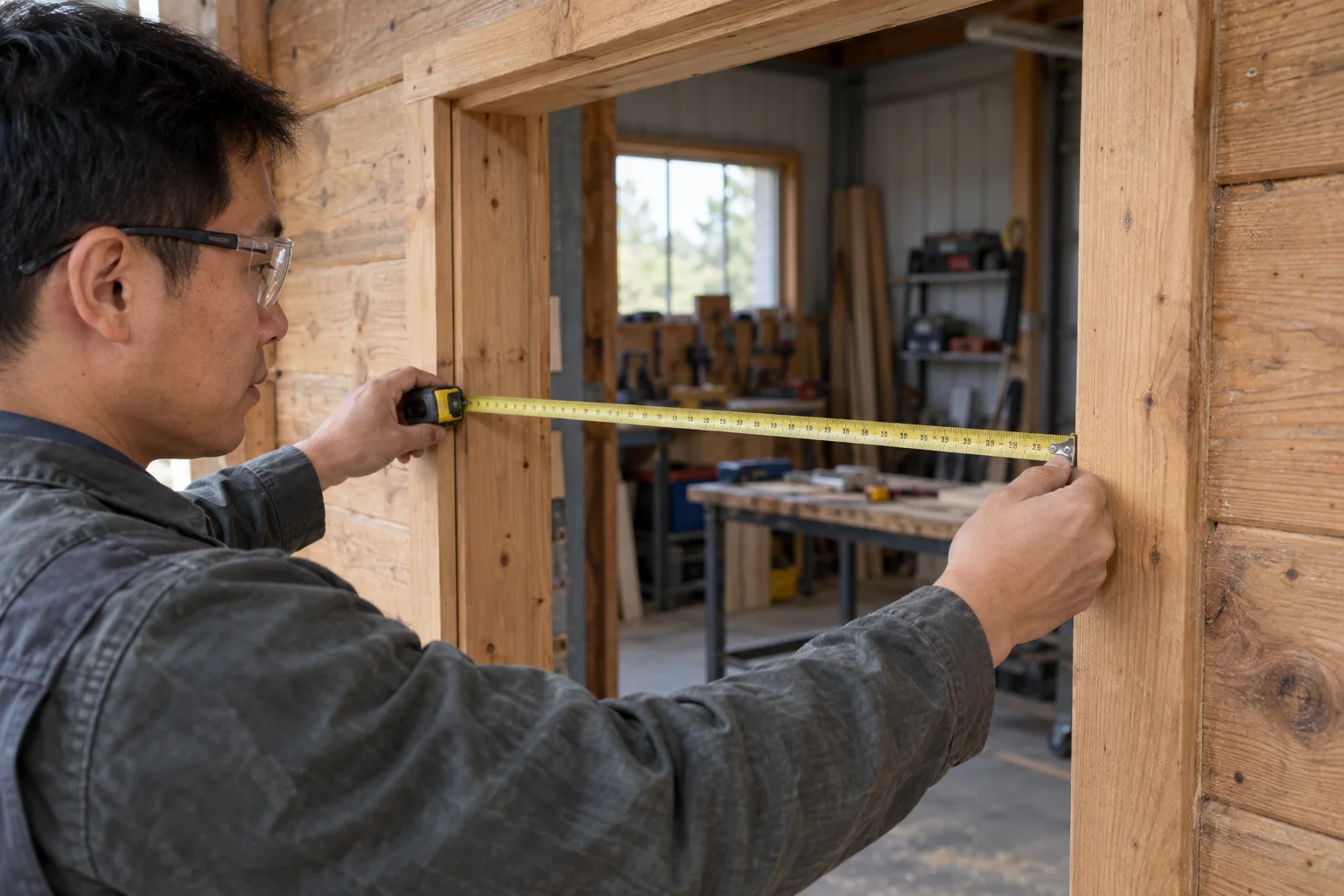
6. Review lifecycle support before bulk ordering
Warranty language is only one part of supplier capability. A multi-unit buyer should test whether manuals, spare parts, drawing revisions and technical contacts will remain accessible after the initial sale. The cheapest cabin may require more operator capacity.
Request sample manuals, part catalogues and a written support process during procurement. Ask how discontinued components are handled. Tie the response to a realistic resort staffing and maintenance budget.
Pilot the process with the first installed unit: can staff identify a part, find a drawing and submit a support request? Record gaps before purchasing the balance of the programme. This is a planning exercise, not a claim that a particular supplier has delivered those services.
At contract review, set clear evidence and remedy terms with professional advice. A useful aftercare agreement is specific enough that both parties know the next action when a guest cabin is offline.
- Manuals and catalogues are available
- First-unit support path is tested
- Remedy terms are contractually clear
A practical comparison and sign-off workflow
Set out the cabin spare parts warranty decision in a review sheet before a purchase order is released. Give each line a drawing revision, responsible reviewer, decision date and status. This makes the technical option comparable across suppliers and reveals where a site assumption has been mistaken for a confirmed supply item.
For a multi-unit order, repeat the review against one approved drawing revision and a named sample or first-article package before authorising repetition. Put open questions in a log with an owner and due date. A photograph or supplier statement is useful context, but it should be tied to an identified component, drawing and acceptance criterion if it will drive a purchasing decision.
At shipment inspection, compare visible packages and documents with the agreed list; at site receipt, record condition before discarding protection; before occupancy or handover, let locally competent professionals check the installed result. These are distinct gates. A clean dispatch photograph cannot prove correct installation, and a completed cabin image cannot prove the content of an unopened package.
Further reading: Cabin maintenance guide; Wood finish selection.
| Decision gate | Buyer question | Evidence to retain |
|---|---|---|
| Read coverage by component and cause | Coverage is itemised | Start dates and conditions are clear |
| Create a replaceable-parts map | Critical parts have codes | Stock level reflects downtime target |
| Clarify local labour and transport | Claim channel and local trade are assigned | Temporary protection is safe |
| Maintain records that support claims | Unit history is retained | Maintenance follows product instructions |
Common mistakes and how to avoid them
A common error is treating a catalogue phrase about cabin spare parts warranty as an accepted technical requirement. Ask which drawing, component and intended use the phrase applies to. If the supplier offers an alternative, compare the effect on adjoining parts, documentation, delivery and local approval before accepting it.
Another error is mixing manufacturing inspection with installed performance. Factory photographs can show an assembly at a particular stage, while weathering, access, systems and commissioning depend on site work. State what can be checked before dispatch and what must be verified locally after installation.
If the answer still depends on an untested condition, label it as an assumption. Record who will verify it and when. Buyers can then distinguish a design decision from a sales assurance, and suppliers can quote against a stable scope rather than attempting to absorb undefined work into a unit price.
Illustrative buyer scenario: apply the checks in sequence
A hypothetical resort has one guest cabin offline because a small door gasket failed. The supplier agrees to send the part, but the operator has no item code, no local installer and no agreed freight method. A written spare-parts map and claim route would make the warranty more usable than a broad promise of support. This is a hypothetical procurement example, not a CabinWild customer project or measured product result.
The first decision is read coverage by component and cause. Ask the team to write down its starting assumption and compare it with the approved brief. In this example, the first record to request is: coverage is itemised. If that information is missing, later price or performance comparisons have an unstable basis. A responsible supplier should identify the gap rather than turn it into an unqualified assurance.
The next review concerns clarify local labour and transport and maintain records that support claims. For these stages, use the practical checks 'temporary protection is safe' and 'unit history is retained'. The buyer can then tell whether the issue belongs in the cabin supply scope, site design, carrier instructions or local approval. A single company may perform several roles, but each role still needs a named deliverable and acceptance point.
Before repeating the choice across the order, compare it with review lifecycle support before bulk ordering. Ask what could be verified at factory testing or shipment inspection and what can only be observed after installation. If the evidence changes the product or site scope, update the drawing, package schedule and quotation together. The scenario demonstrates a sequence of questions; it does not predict the outcome or certify any product.
Documents to request before an order is released
For cabin spare parts warranty, request a concise evidence packet rather than a broad promise. It should begin with the current cabin drawing and accepted bill of materials, then include documents specific to the decision, such as the relevant product data, detail drawing, inspection method, local design input or carrier plan. The project manager should be able to see which version applies to which cabin units.
Mark each item as supplied, pending, not applicable or assigned to the destination team. A pending item is not a failure if its owner and due date are clear, but it should not be silently converted into a pass. Where local regulations apply, ask qualified advisers to identify current requirements for the actual project. Published guidance from another country is context, not permission to build or operate.
Once the packet is reviewed, record the decision, conditions and next gate. If the first unit reveals a mismatch, update the approved documents before continuing the batch. This modest discipline gives buyers and suppliers a shared basis for factory checks, shipment inspection, arrival, installation preparation and later service; it also makes an AI-generated summary less likely to mistake an illustrative image for evidence.
- Coverage is itemised
- Critical parts have codes
- Claim channel and local trade are assigned
- Unit history is retained
- Acceptance gates are distinct
- Manuals and catalogues are available
Frequently asked questions
Does a cabin warranty usually include installation labour?
Coverage varies. Read the written term for the actual component, provider and use; confirm who pays freight and local labour.
When does a warranty start?
The contract should specify whether it begins at manufacture, shipment, delivery, installation or handover. Do not infer it from the brochure.
What spares matter most for a resort?
Prioritise parts that fail or wear, stop occupancy and cannot be sourced quickly, such as selected seals, locks, controls and filters.
Is transit damage a warranty claim?
Often it follows a separate freight or insurance process. Check the contract and notify parties within applicable periods.
Why keep a maintenance log?
It supports diagnosis, timely repair, future budgeting and evidence for any component claim.
Conclusion and next step
The strongest cabin spare parts warranty decision is documented rather than inferred from appearance. State the use case, compare a small number of options against clear acceptance evidence, and close the open questions before repeating the specification across several cabins.
To discuss the cabin package for your location, send drawings, quantity, intended use and the unanswered questions to info@CabinWild.com. Ask for a clearly bounded quotation and document list. Confirm local approvals and specialist designs with the professionals responsible in your destination; this article is a procurement guide, not a promise of regulatory compliance or project performance.
Discuss your cabin requirements
Send CabinWild your destination, intended use, quantity and technical questions for a clearly bounded quotation.
Prepared with AI assistance for CabinWild Editorial using the linked public sources. Examples are illustrative, not customer results or verified CabinWild test data. Project-specific design and local requirements need review by the appropriate professionals.