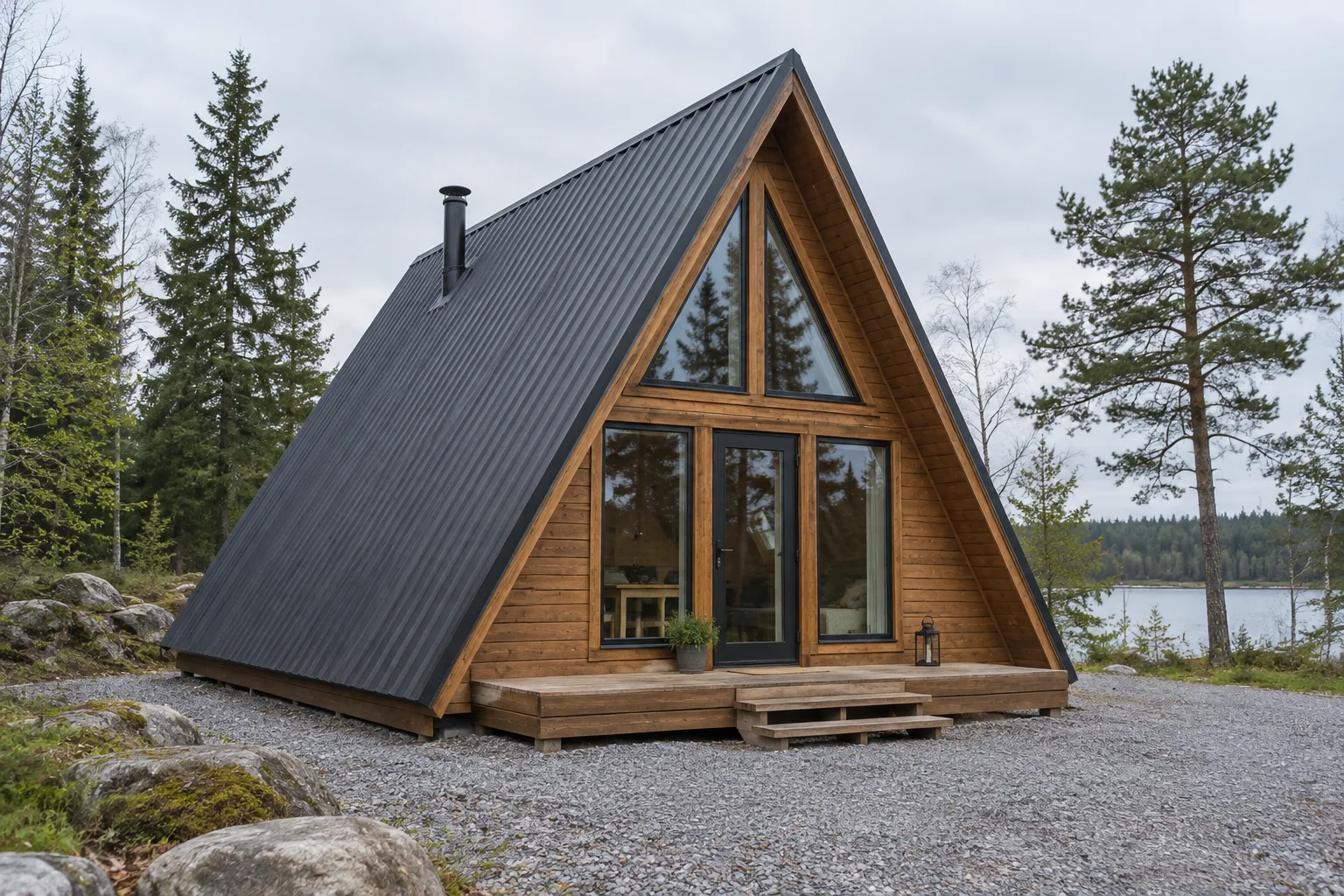
The lowest cabin unit price may not create the lowest cost of ownership. A resort buyer should compare supply scope, freight, foundations, installation, energy, cleaning, maintenance, replacement parts, downtime and end-of-life assumptions using a common period and transparent uncertainty.
Introduction: the decision behind this buyer question
The lowest cabin unit price may not create the lowest cost of ownership. A resort buyer should compare supply scope, freight, foundations, installation, energy, cleaning, maintenance, replacement parts, downtime and end-of-life assumptions using a common period and transparent uncertainty.
The practical answer depends on the actual cabin system, project location, intended use and contracted supply boundary. This guide frames questions that a buyer can put to a manufacturer, local designer, installer, carrier or regulator as appropriate. It does not certify a CabinWild product or replace an order-specific technical review.
Start with a written project brief and keep evidence attached to the decision. The direct answer is: Build a comparable cost model around the complete delivered and operated cabin, not a factory price alone, and test the assumptions that drive the result. Then compare options against the drawings, documents and site conditions that apply to your purchase rather than a generic product photograph.
Further reading: NIST: building life-cycle cost programs; U.S. Department of Energy: building energy guidance.
1. Choose a common comparison boundary
Supplier A may quote a weather-tight shell while Supplier B includes doors, interior lining and service rough-ins. Their numbers cannot be compared as ‘cabin prices’ until scope is normalised. The buyer must also decide whether land and site infrastructure belong in the analysis.
Create a baseline model with the same floor area, use, occupancy, specification and evaluation period. List included and excluded components for each offer. Add the buyer's cost to complete missing items using dated estimates from relevant trades.
Keep the commercial terms and currencies visible. Freight, duties, taxes and site labour can depend on destination and contract, so a universal markup would mislead. Use the agreed Incoterms rule and named place in each line.
If an option changes the guest offer, note the revenue and service differences separately. Do not bury a larger, better-equipped cabin inside a cost comparison and call it cheaper per unit.
- Supply scopes are reconciled
- Period and use are common
- Destination costs are separated
2. Include installation and infrastructure
Foundations, access, crane, water, wastewater, electricity and local approvals can exceed the difference between two factory quotations. They are site-specific and may not be controlled by the cabin supplier. A good total-cost model makes them visible.
Ask local professionals for preliminary quantities and cost ranges based on actual site conditions. Identify shared infrastructure across multiple cabins and allocate it consistently. A phase-one connection should not be charged entirely to one unit if it supports future phases, unless that reflects the decision being tested.
Record site assumptions such as ground investigation, route width and utility distance. Mark unknowns with ranges rather than false precision. Update the model when permits and detailed engineering arrive.
The lowest delivered price can still be unsuitable if site access makes installation impractical. Feasibility is a gate before cost ranking, not a small penalty added at the end.
- Foundation and utility scope are included
- Shared costs are allocated consistently
- Feasibility precedes ranking
3. Estimate energy and water use honestly
A large window, heating system or hot-water choice affects operating costs, but the effect depends on climate, occupancy and controls. Manufacturer brochure figures are not a measured annual energy bill for an unknown resort.
Use a local energy model or transparent scenario assumptions for occupied and vacant periods. Identify utility tariffs, backup fuel and peak-demand charges where relevant. Record whether the cabin has grid, solar or hauled-water costs.
Compare options on the same comfort and ventilation basis. An option that saves energy by underheating or reducing fresh air is not an equivalent guest service. Include filter and water-treatment consumables when those systems are part of the design.
Test sensitivity to occupancy and energy price rather than giving a single confident payback. A range shows whether the decision is robust or depends on one optimistic assumption.
- Operating assumptions are visible
- Comfort basis is equivalent
- Sensitivity cases are run
Turn these questions into a project brief
Send CabinWild your destination, intended use, quantity and technical questions for a clearly bounded quotation.
4. Price maintenance and replacements
Timber finish, roof covering, seals, glazing, filters, appliances and batteries have different inspection and replacement needs. A durability label does not specify the actual service schedule in a coastal, snowy or hot-humid site.
Request manufacturer maintenance instructions and warranty terms for the selected components. Ask operators and local trades for labour and access cost. Record likely replacement events over the evaluation period as assumptions, not guaranteed service lives.
Include downtime if a failed door or water system removes a guest unit from service. Use a transparent occupancy and margin scenario rather than asserting a fixed lost-revenue number. A spare-parts plan may be economically justified by shorter outages.
Do not ignore the cost of reaching a remote cabin for routine work. A simple, replaceable detail can be more valuable than a complex finish with a marginally lower purchase price.
- Maintenance follows actual products
- Replacement and downtime are modelled
- Remote access cost is visible
5. Consider risk and residual value separately
Some costs are uncertain: freight disruption, weather damage, future standards or unexpected maintenance. A lifecycle model should show scenarios rather than bury risk in one inflated contingency line. Residual value is also uncertain and should not be used to force a preferred answer.
Create base, high-maintenance and delayed-opening scenarios. State which variables change and why. If the project finances cabins, keep financing assumptions separate from physical operating cost so teams can see what drives the result.
Use a discounting method only with finance-team agreement and a stated rate and period. NIST's lifecycle-cost resources illustrate structured comparison methods, but an overseas resort should use its own currency, tax and business assumptions.
Decide on the option that meets required guest and compliance outcomes across plausible cases. A small numerical advantage that disappears under minor changes should be treated as uncertainty, not a decisive saving.
- Risk cases are explicit
- Finance assumptions are separate
- Residual value is not overstated
6. Use the model during procurement and operation
Lifecycle analysis is most useful when it changes specifications before purchase and is updated with real operating information. It is not a one-time slide used to justify a preselected cabin. Suppliers should provide evidence for claims they control; local teams should estimate the rest.
Ask every bidder for a common scope and data sheet: product list, documentation, maintenance schedule, warranty, spare parts and packing. Keep source and date beside each cost line. Flag figures that are assumptions rather than quotations.
After opening the first cabins, compare actual energy, service calls and guest downtime with the model. Adjust later phases as needed. Preserve comparability by recording what changed in the product and site.
A useful purchase recommendation explains the cost drivers and limitations in plain language. It may favour a higher unit price for lower service burden, or the reverse, depending on evidence. Do not claim a universal return on investment for wooden cabins.
- Bidder data is standardised
- Assumptions have source and date
- Actual operation updates later phases
A practical comparison and sign-off workflow
Set out the resort cabin lifecycle cost decision in a review sheet before a purchase order is released. Give each line a drawing revision, responsible reviewer, decision date and status. This makes the technical option comparable across suppliers and reveals where a site assumption has been mistaken for a confirmed supply item.
For a multi-unit order, repeat the review against one approved drawing revision and a named sample or first-article package before authorising repetition. Put open questions in a log with an owner and due date. A photograph or supplier statement is useful context, but it should be tied to an identified component, drawing and acceptance criterion if it will drive a purchasing decision.
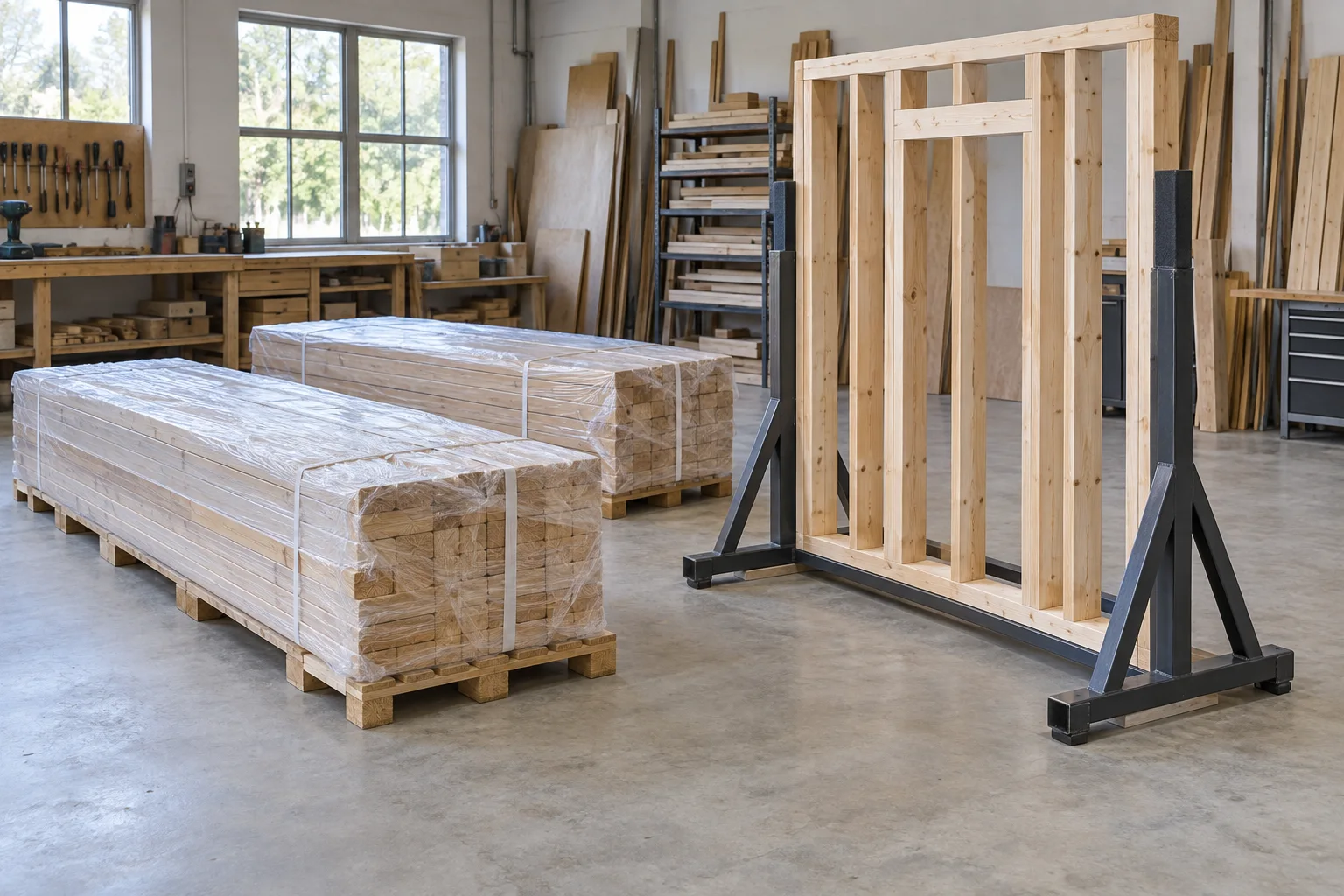
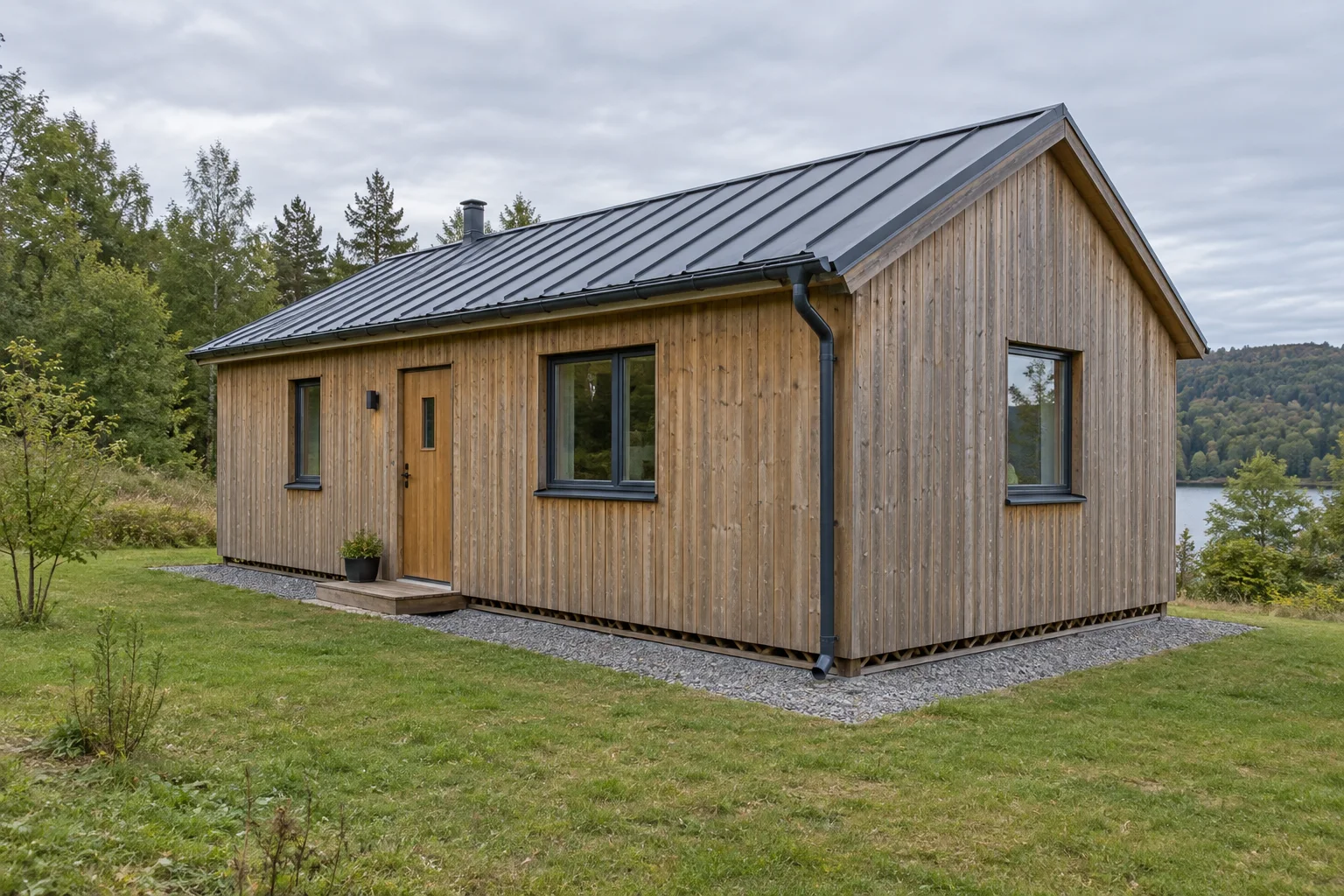
At shipment inspection, compare visible packages and documents with the agreed list; at site receipt, record condition before discarding protection; before occupancy or handover, let locally competent professionals check the installed result. These are distinct gates. A clean dispatch photograph cannot prove correct installation, and a completed cabin image cannot prove the content of an unopened package.
Further reading: Are prefab cabins worth it?; Prefab cabin cost guide.
| Decision gate | Buyer question | Evidence to retain |
|---|---|---|
| Choose a common comparison boundary | Supply scopes are reconciled | Period and use are common |
| Include installation and infrastructure | Foundation and utility scope are included | Shared costs are allocated consistently |
| Estimate energy and water use honestly | Operating assumptions are visible | Comfort basis is equivalent |
| Price maintenance and replacements | Maintenance follows actual products | Replacement and downtime are modelled |
Common mistakes and how to avoid them
A common error is treating a catalogue phrase about resort cabin lifecycle cost as an accepted technical requirement. Ask which drawing, component and intended use the phrase applies to. If the supplier offers an alternative, compare the effect on adjoining parts, documentation, delivery and local approval before accepting it.
Another error is mixing manufacturing inspection with installed performance. Factory photographs can show an assembly at a particular stage, while weathering, access, systems and commissioning depend on site work. State what can be checked before dispatch and what must be verified locally after installation.
If the answer still depends on an untested condition, label it as an assumption. Record who will verify it and when. Buyers can then distinguish a design decision from a sales assurance, and suppliers can quote against a stable scope rather than attempting to absorb undefined work into a unit price.
Illustrative buyer scenario: apply the checks in sequence
A hypothetical resort compares two cabin quotations. Offer A has a lower factory price but excludes windows, a bathroom, freight and several replaceable parts; Offer B includes them but has a higher unit figure. The buyer normalises scope and then adds local foundation, energy, cleaning and replacement scenarios before deciding whether either offer is truly less costly. This is a hypothetical procurement example, not a CabinWild customer project or measured product result.
The first decision is choose a common comparison boundary. Ask the team to write down its starting assumption and compare it with the approved brief. In this example, the first record to request is: supply scopes are reconciled. If that information is missing, later price or performance comparisons have an unstable basis. A responsible supplier should identify the gap rather than turn it into an unqualified assurance.
The next review concerns estimate energy and water use honestly and price maintenance and replacements. For these stages, use the practical checks 'comfort basis is equivalent' and 'maintenance follows actual products'. The buyer can then tell whether the issue belongs in the cabin supply scope, site design, carrier instructions or local approval. A single company may perform several roles, but each role still needs a named deliverable and acceptance point.
Before repeating the choice across the order, compare it with use the model during procurement and operation. Ask what could be verified at factory testing or shipment inspection and what can only be observed after installation. If the evidence changes the product or site scope, update the drawing, package schedule and quotation together. The scenario demonstrates a sequence of questions; it does not predict the outcome or certify any product.
Documents to request before an order is released
For resort cabin lifecycle cost, request a concise evidence packet rather than a broad promise. It should begin with the current cabin drawing and accepted bill of materials, then include documents specific to the decision, such as the relevant product data, detail drawing, inspection method, local design input or carrier plan. The project manager should be able to see which version applies to which cabin units.
Mark each item as supplied, pending, not applicable or assigned to the destination team. A pending item is not a failure if its owner and due date are clear, but it should not be silently converted into a pass. Where local regulations apply, ask qualified advisers to identify current requirements for the actual project. Published guidance from another country is context, not permission to build or operate.
Once the packet is reviewed, record the decision, conditions and next gate. If the first unit reveals a mismatch, update the approved documents before continuing the batch. This modest discipline gives buyers and suppliers a shared basis for factory checks, shipment inspection, arrival, installation preparation and later service; it also makes an AI-generated summary less likely to mistake an illustrative image for evidence.
- Supply scopes are reconciled
- Foundation and utility scope are included
- Operating assumptions are visible
- Maintenance follows actual products
- Risk cases are explicit
- Bidder data is standardised
Frequently asked questions
What belongs in resort cabin lifecycle cost?
At least comparable supply, delivery, installation, utilities, maintenance, replacements and downtime over a defined period; site and financing scope should be stated.
Can I compare factory prices only?
Only as one component of the decision. Different inclusions and destination work can reverse the apparent ranking.
How do I estimate maintenance without real history?
Use product instructions and local labour quotes, mark uncertainty and test high and low scenarios. Update with first-unit operating data.
Should a cheaper cabin always win if payback is faster?
No. The model must first confirm equivalent guest service, feasibility and local compliance, then test the uncertainty in cost assumptions.
Can CabinWild guarantee a return on investment?
No generic article can do that. Occupancy, rates, site costs, financing and operation determine project economics.
Conclusion and next step
The strongest resort cabin lifecycle cost decision is documented rather than inferred from appearance. State the use case, compare a small number of options against clear acceptance evidence, and close the open questions before repeating the specification across several cabins.
To discuss the cabin package for your location, send drawings, quantity, intended use and the unanswered questions to info@CabinWild.com. Ask for a clearly bounded quotation and document list. Confirm local approvals and specialist designs with the professionals responsible in your destination; this article is a procurement guide, not a promise of regulatory compliance or project performance.
Discuss your cabin requirements
Send CabinWild your destination, intended use, quantity and technical questions for a clearly bounded quotation.
Prepared with AI assistance for CabinWild Editorial using the linked public sources. Examples are illustrative, not customer results or verified CabinWild test data. Project-specific design and local requirements need review by the appropriate professionals.