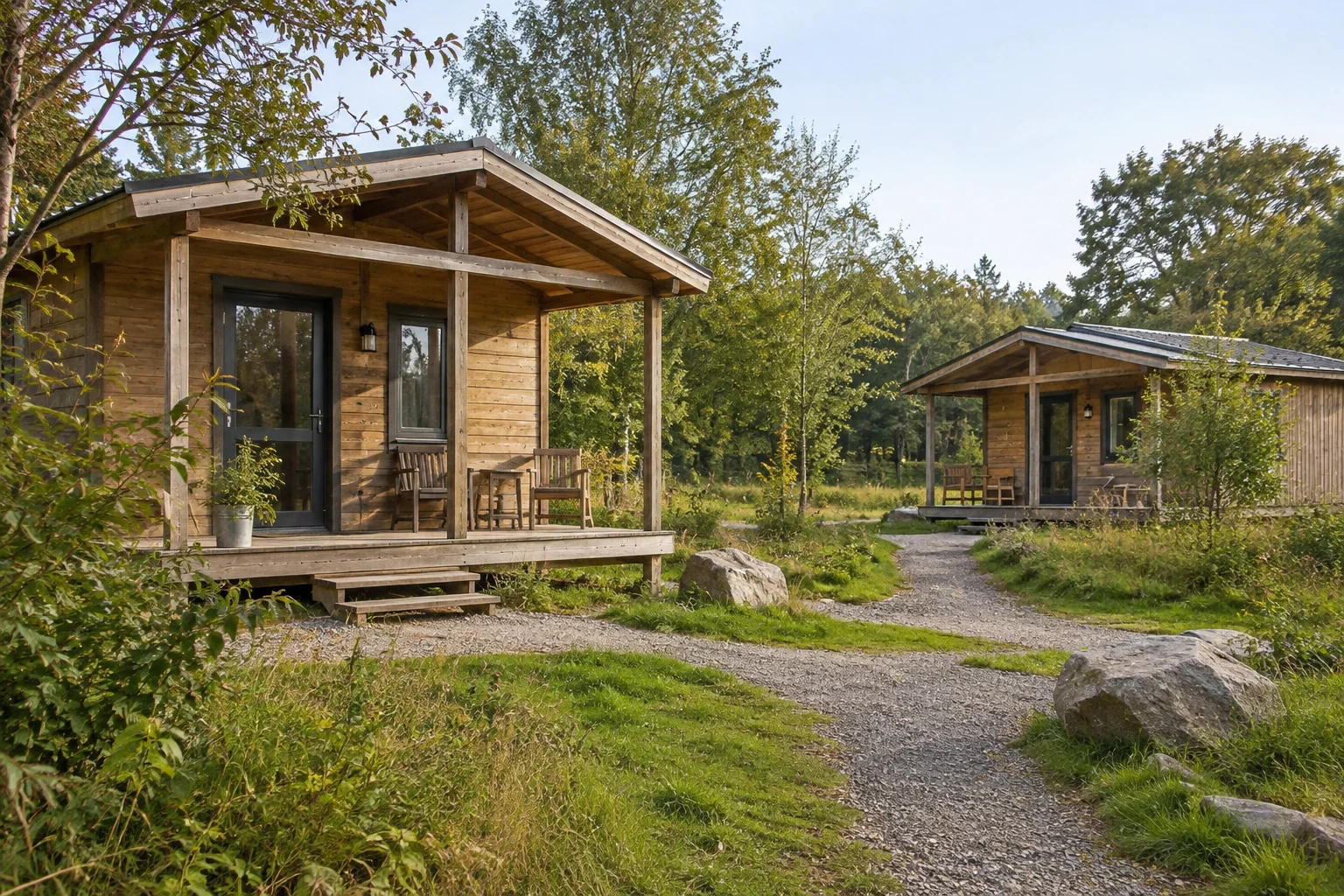
Guest comfort depends on what noise reaches the cabin, what noise is generated inside it and how sound travels through the assembled envelope. A useful resort-cabin acoustic brief identifies sources, occupied rooms, target criteria and a test or review method before choosing insulation or glazing.
Introduction: the decision behind this buyer question
Guest comfort depends on what noise reaches the cabin, what noise is generated inside it and how sound travels through the assembled envelope. A useful resort-cabin acoustic brief identifies sources, occupied rooms, target criteria and a test or review method before choosing insulation or glazing.
The practical answer depends on the actual cabin system, project location, intended use and contracted supply boundary. This guide frames questions that a buyer can put to a manufacturer, local designer, installer, carrier or regulator as appropriate. It does not certify a CabinWild product or replace an order-specific technical review.
Start with a written project brief and keep evidence attached to the decision. The direct answer is: Map the noise source and receiver first, then specify the complete wall, roof, floor, window, door and ventilation arrangement with a locally appropriate acoustic target. Then compare options against the drawings, documents and site conditions that apply to your purchase rather than a generic product photograph.
Further reading: US EPA: noise and its effects; WHO: environmental noise guidelines.
1. Identify the noise source and receiver
A guest may hear a road, neighbouring terrace, mechanical plant, rainfall or footsteps from a loft. Each problem follows a different path. A broad request for ‘soundproof cabins’ cannot tell a supplier which assembly should change or how success will be judged.
Walk the proposed site at relevant times or obtain competent acoustic survey information where the project warrants it. Map cabins, shared facilities, plant and roads on the site plan. Identify quiet rooms, outdoor seating, service areas and expected occupancy patterns.
Describe source, route and receiver in the brief. A rooftop unit above a bedroom may call for vibration isolation and equipment positioning; a roadside facade may make window and ventilation choices more important. Keep measured data separate from assumptions.
Agree who sets the target and method. Local planning or hospitality rules may apply, and an acoustic consultant can translate project goals into reviewable criteria. Do not promise a universal decibel value based on a cabin catalogue.
- Noise sources and times are mapped
- Sensitive rooms are identified
- Target and measurement owner are named
2. Distinguish airborne, impact and structure-borne sound
Airborne speech or traffic, impact from footsteps and vibration from equipment are not controlled by the same detail. A thicker insulation layer can be useful in an assembly but cannot automatically stop a rigid flanking path or a poorly sealed opening.
Ask the designer to trace likely paths through roof, floor, partitions, service penetrations and structural connections. In a compact cabin, a noisy fan or pump may sit close to a sleeping area. Layout changes can sometimes achieve more than adding material later.
Request full-assembly data where available and identify the test method. A material's laboratory absorption value is not the sound insulation of the installed wall. Door undercuts, vents and junctions can dominate the result in a small room.
Choose interventions in order of source control, distance, enclosure and detailing. Document the effect on ventilation, fire, structure and maintenance. Closing a vent to reduce noise is not an acceptable solution if it removes required fresh air.
- Sound type is classified
- Junction and penetration paths are reviewed
- Material values are not mislabelled as assembly ratings

3. Coordinate site layout with the cabin design
Spacing and orientation shape what guests hear before any wall is built. A bedroom window facing a service yard or a terrace facing another unit can undermine a quiet-cabin claim. Privacy and sound are therefore site-planning questions as well as product questions.
Review door and window orientation, terrace location, screened planting, vehicle routes and equipment compounds. Avoid putting noisy plant against a thin shared wall where a better location is feasible. Test the plan against likely night-time use, not only daytime visits.
Provide the cabin supplier with the site context so glazing, wall and ventilation options are selected for the actual exposure. A factory can describe offered components; it cannot certify the acoustic result of an unknown site layout.
At the design gate, compare two or three site arrangements if noise is a selling point. Moving a unit or service path may be cheaper and more robust than upgrading every facade. Keep the final selection tied to a layout revision.
- Sleeping facades avoid avoidable sources
- Plant and traffic routes are coordinated
- Site layout is part of acoustic review
Turn these questions into a project brief
Send CabinWild your destination, intended use, quantity and technical questions for a clearly bounded quotation.
4. Specify openings and ventilation together
The best wall assembly can be bypassed by a window left open for cooling or by an unlined ventilation path. Guests need usable air and thermal comfort, so an acoustic brief has to include the operational mode of windows, fans and air-conditioning.
Ask for window and door performance data for the exact selected units if a target requires it. Review seals, thresholds and installation joints. For mechanical ventilation, consider how outside air enters without a direct sound path and how fan noise reaches the room.
Use a room-by-room schedule showing whether windows are normally open, what ventilation remains when closed and where equipment runs at night. A laboratory-rated pane alone is not evidence of in-situ quietness.
If the project seeks a particular installed result, agree a test or commissioning process with the consultant. Review it after occupation too: a unit may be quiet in an empty factory yet noisy with plant and guests operating.
- Ventilation mode is defined
- Openings and seals match target
- Equipment noise is included
5. Review floor, roof and partition details
Rain noise under a light roof, impact from a loft and speech between rooms can each affect a guest stay. Product brochures often highlight wall insulation while these paths remain unspecified. A single advertised acoustic number does not describe the whole cabin.
Ask for layer-by-layer roof, floor and partition drawings. Locate resilient layers, cavities and penetrations where they are part of the design. Confirm that structure, fire and moisture requirements remain valid after any acoustic alteration.
At manufacturing inspection, check supplied material identity and location against drawings. On site, inspect before linings close and document service penetrations. A perfect material list cannot fix a rigid bridge or unsealed gap introduced during installation.
For a prototype unit, listen and measure in the actual operating state with ventilation and plant running. Treat subjective feedback as useful but not a substitute for agreed measurement if a contractual criterion exists.
- Roof and floor paths are covered
- Changes receive multi-discipline review
- Prototype uses operational equipment
6. Write acceptance criteria and an aftercare route
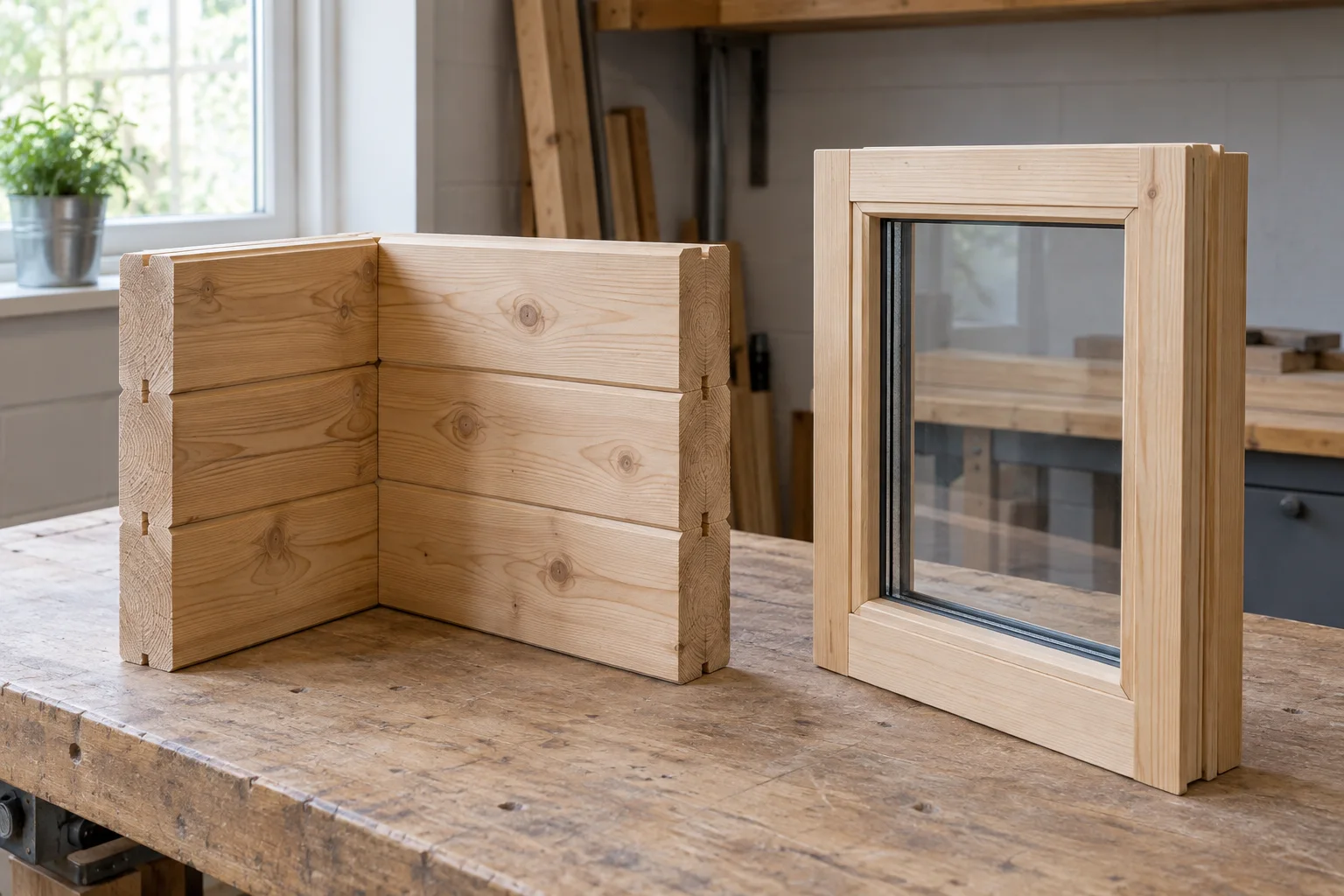
A supplier cannot responsibly guarantee that every guest will perceive a cabin as quiet. The contract can, however, define specified assemblies, documentary evidence, installation checks and any site test method. That makes a complaint investigable rather than a dispute over adjectives.
Record the chosen target and who measures it, the weather or operating conditions, and the corrective process. Keep a baseline for the first installed unit before repeating the detail across a resort. Maintenance teams should know which seals, fans and doors require periodic checks.
At handover, provide the approved drawings, acoustic advice, equipment settings and operating instructions. Ask guests or staff about recurring noise patterns without publishing unverified performance claims. A complaint log linked to unit and time can guide a measured investigation.
If the first unit misses the target, diagnose source and path before changing materials. A blanket retrofit of all cabins can waste money if the actual cause is a single plant mount or a poorly adjusted door.
- Target and method are contractual
- First unit is reviewed before repetition
- Maintenance has a complaint and repair route
A practical comparison and sign-off workflow
Set out the cabin acoustic insulation decision in a review sheet before a purchase order is released. Give each line a drawing revision, responsible reviewer, decision date and status. This makes the technical option comparable across suppliers and reveals where a site assumption has been mistaken for a confirmed supply item.
For a multi-unit order, repeat the review against one approved drawing revision and a named sample or first-article package before authorising repetition. Put open questions in a log with an owner and due date. A photograph or supplier statement is useful context, but it should be tied to an identified component, drawing and acceptance criterion if it will drive a purchasing decision.
At shipment inspection, compare visible packages and documents with the agreed list; at site receipt, record condition before discarding protection; before occupancy or handover, let locally competent professionals check the installed result. These are distinct gates. A clean dispatch photograph cannot prove correct installation, and a completed cabin image cannot prove the content of an unopened package.
Further reading: Cabin insulation material guide; Resort site-capacity guide.
| Decision gate | Buyer question | Evidence to retain |
|---|---|---|
| Identify the noise source and receiver | Noise sources and times are mapped | Sensitive rooms are identified |
| Distinguish airborne, impact and structure-borne sound | Sound type is classified | Junction and penetration paths are reviewed |
| Coordinate site layout with the cabin design | Sleeping facades avoid avoidable sources | Plant and traffic routes are coordinated |
| Specify openings and ventilation together | Ventilation mode is defined | Openings and seals match target |
Common mistakes and how to avoid them
A common error is treating a catalogue phrase about cabin acoustic insulation as an accepted technical requirement. Ask which drawing, component and intended use the phrase applies to. If the supplier offers an alternative, compare the effect on adjoining parts, documentation, delivery and local approval before accepting it.
Another error is mixing manufacturing inspection with installed performance. Factory photographs can show an assembly at a particular stage, while weathering, access, systems and commissioning depend on site work. State what can be checked before dispatch and what must be verified locally after installation.
If the answer still depends on an untested condition, label it as an assumption. Record who will verify it and when. Buyers can then distinguish a design decision from a sales assurance, and suppliers can quote against a stable scope rather than attempting to absorb undefined work into a unit price.
Illustrative buyer scenario: apply the checks in sequence
A hypothetical resort places compact cabins beside a shared parking court. Guests report noise at night in the first unit, even though the wall contains acoustic insulation. The project team checks window seals, door undercut, ventilation path and vehicle movements before specifying thicker insulation for every cabin. The source-path-receiver map directs the correction. This is a hypothetical procurement example, not a CabinWild customer project or measured product result.
The first decision is identify the noise source and receiver. Ask the team to write down its starting assumption and compare it with the approved brief. In this example, the first record to request is: noise sources and times are mapped. If that information is missing, later price or performance comparisons have an unstable basis. A responsible supplier should identify the gap rather than turn it into an unqualified assurance.
The next review concerns coordinate site layout with the cabin design and specify openings and ventilation together. For these stages, use the practical checks 'plant and traffic routes are coordinated' and 'ventilation mode is defined'. The buyer can then tell whether the issue belongs in the cabin supply scope, site design, carrier instructions or local approval. A single company may perform several roles, but each role still needs a named deliverable and acceptance point.
Before repeating the choice across the order, compare it with write acceptance criteria and an aftercare route. Ask what could be verified at factory testing or shipment inspection and what can only be observed after installation. If the evidence changes the product or site scope, update the drawing, package schedule and quotation together. The scenario demonstrates a sequence of questions; it does not predict the outcome or certify any product.
Documents to request before an order is released
For cabin acoustic insulation, request a concise evidence packet rather than a broad promise. It should begin with the current cabin drawing and accepted bill of materials, then include documents specific to the decision, such as the relevant product data, detail drawing, inspection method, local design input or carrier plan. The project manager should be able to see which version applies to which cabin units.
Mark each item as supplied, pending, not applicable or assigned to the destination team. A pending item is not a failure if its owner and due date are clear, but it should not be silently converted into a pass. Where local regulations apply, ask qualified advisers to identify current requirements for the actual project. Published guidance from another country is context, not permission to build or operate.
Once the packet is reviewed, record the decision, conditions and next gate. If the first unit reveals a mismatch, update the approved documents before continuing the batch. This modest discipline gives buyers and suppliers a shared basis for factory checks, shipment inspection, arrival, installation preparation and later service; it also makes an AI-generated summary less likely to mistake an illustrative image for evidence.
- Noise sources and times are mapped
- Sound type is classified
- Sleeping facades avoid avoidable sources
- Ventilation mode is defined
- Roof and floor paths are covered
- Target and method are contractual
Frequently asked questions
Does more wall insulation always make a cabin quieter?
No. Sound can pass through openings, junctions, floors, roofs and ventilation; the whole path matters.
Can a supplier quote an installed acoustic rating?
Only if the scope, assembly, test method and site conditions are defined. A material data sheet is not an in-situ result.
What is the first acoustic decision for a resort?
Map real noise sources and sensitive rooms, then use site layout and cabin specification together.
Can guests open windows in an acoustically designed cabin?
Possibly, but the design should state which operational condition the target applies to and how ventilation works when windows are closed.
Should the first cabin be checked before ordering many?
For a large programme or sensitive site, a prototype and defined site review can expose issues before repetition.
Conclusion and next step
The strongest cabin acoustic insulation decision is documented rather than inferred from appearance. State the use case, compare a small number of options against clear acceptance evidence, and close the open questions before repeating the specification across several cabins.
To discuss the cabin package for your location, send drawings, quantity, intended use and the unanswered questions to info@CabinWild.com. Ask for a clearly bounded quotation and document list. Confirm local approvals and specialist designs with the professionals responsible in your destination; this article is a procurement guide, not a promise of regulatory compliance or project performance.
Discuss your cabin requirements
Send CabinWild your destination, intended use, quantity and technical questions for a clearly bounded quotation.
Prepared with AI assistance for CabinWild Editorial using the linked public sources. Examples are illustrative, not customer results or verified CabinWild test data. Project-specific design and local requirements need review by the appropriate professionals.