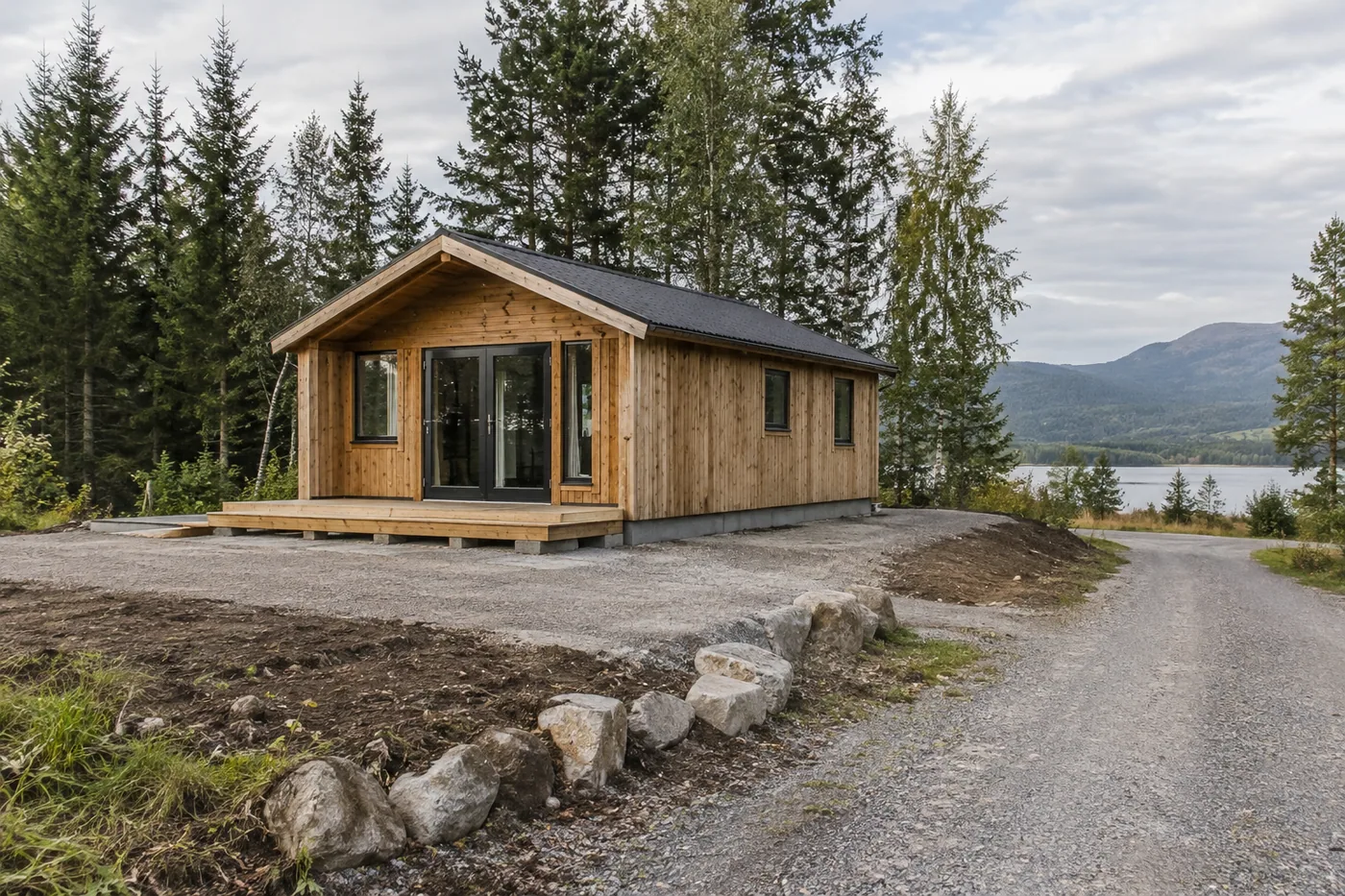
Before buying modular wooden cabins for future relocation, verify that the actual design and supplied configuration support the intended move. Coordinate structural information, service disconnection, lifting, transport, receiving foundations and local acceptance. Modular manufacture or removable supports alone do not prove that a finished cabin can be repeatedly moved as a complete unit.
Introduction: modular and relocatable are different questions
A buyer may see a cabin delivered on a truck and assume the same building can be moved again whenever the business changes. The initial transport demonstrates one part of a particular project. It does not establish that the completed building, added services and later alterations were designed for repeated relocation.
Future movement is a requirement to investigate before purchase. The actual unit, original design information, site connections and proposed second location all matter. A useful feasibility review asks what must be known and which competent parties can assess it, rather than accepting a general portable description.
This article is a procurement framework, not a lifting plan, structural assessment or transport instruction. Examples are hypothetical and do not establish a CabinWild relocation capability. Use the responsible qualified providers and destination requirements for the actual building and move.
1. Describe the move the buyer actually anticipates
State whether relocation is a possible one-time event, a planned repeated use or merely an option the owner would like to preserve. Identify the likely distance, timing and known site constraints without presenting uncertain future conditions as fixed facts. The relevant teams can explain which information is required to assess the scenario.
Distinguish moving a complete unit from disassembly and reassembly. They involve different design, packing, labor and site questions. A product may be manufactured in modules without being suitable for either approach after its final fitout and local connections. Ask the supplier what its confirmed scope and supporting information actually cover.
When comparing pre built cabins delivered, keep the initial delivery proposal separate from a future relocation promise. If future movement is commercially important, make it an explicit requirement and obtain a written response. Do not infer a commitment from a transport photograph or an informal statement that the cabin can simply be lifted again.
2. Obtain the relevant design and configuration information
Ask the original provider for the exact unit design, relevant structural information and any documented conditions for handling or movement. Identify what applies to the supplied configuration and what remains outside its scope. A generic module drawing may not describe local additions or the unit as it now exists.
Have the competent structural and handling teams determine whether the information is sufficient for the proposed operation. They may require details that a sales brochure does not contain. Keep missing information as an open feasibility issue rather than inventing lifting points or assuming the original transport arrangement remains applicable.
Record changes after delivery, including equipment, cladding, decks, partitions or altered openings. The owner should provide those facts to the reviewers even if they seem cosmetic. The significance is for the appropriate team to assess; undocumented additions should not silently become part of a presumed movable configuration.
Further reading: Coordinate modular cabin expansion interfaces.
| Feasibility area | Information needed | Responsible review |
|---|---|---|
| Building configuration | Original records and subsequent alterations | Relevant structural and product specialists |
| Service disconnection | Actual equipment and local connections | Qualified service providers |
| Lifting and handling | Assessed unit information and site conditions | Competent lifting team |
| Transport | Confirmed dimensions, route and receiving arrangements | Qualified logistics providers |
| Second site | Ground, supports, services and intended use | Destination design and approval team |
3. Plan disconnection and later recommissioning
List the water, wastewater, electrical, communications and other services actually connected to the cabin. Identify which providers can assess and carry out the relevant work. A removable building can still have permanent or complicated site interfaces that need a planned process before movement is considered.
Ask the qualified teams what equipment, records and condition checks are required before and after disconnection. The owner should understand what can be retained, what may need replacement and which decisions remain provisional. This article does not prescribe disconnection methods or authorize unqualified work.
Include reconnection and commissioning at the second site in the scope comparison. A transport quotation may stop at unloading, while the building remains unready for occupation. Keep the complete future-use requirement visible so the budget and schedule reflect more than the vehicle journey.
Further reading: Coordinate cabin service penetrations and interfaces.
4. Use a competent, operation-specific lifting plan
HSE's lifting-operation guidance explains the need for suitable planning and competent involvement within its applicable Great Britain context. It is not a lift design for a cabin. The actual load, equipment, site and operation need the responsible specialist's assessment and applicable local requirements.
Provide accurate unit information and access details to the lifting team. A marketing floor area or estimated weight is not a complete load description. The specialists should identify what data, survey information and preparatory work they require before deciding whether the operation is feasible.
Ask the relevant parties to state their boundaries. The transport provider, crane provider, structural adviser and site contractor may perform different roles. A buyer should not assume that hiring a vehicle or machine includes design of every movement stage or responsibility for the building's suitability to be lifted.
Further reading: HSE: planning and organizing lifting operations.
5. Assess the route and receiving arrangement
Ask the qualified logistics team to review the actual route and relevant dimensions, masses, access and regulatory requirements. A successful original delivery does not prove that a different destination, road or vehicle arrangement is acceptable. Keep route feasibility separate from the building's structural suitability for movement.
Show the loading and receiving areas with their known constraints. Include the intended equipment positions, other site activity and access to the new support location. The appropriate team should determine what assessment and preparations are necessary; a clear space on a photograph does not establish suitable ground or working conditions.
For modular cabins delivered to an operating site, coordinate the move with guest and staff activity through the responsible site plan. The operator needs an agreed sequence and communication process, not an improvised window between bookings. Record who can change or stop the operation if the assumptions no longer hold.
Further reading: Plan complete-unit cabin delivery.
Turn these questions into a project brief
Send the proposed location, intended use and future-move scenario. Ask CabinWild which design and supply-scope information can be provided for your qualified structural, logistics and site teams.
6. Treat the second site as a new feasibility review
Establish the intended use and applicable requirements at the proposed destination. A building's previous use or location does not automatically establish acceptance elsewhere. The local team should identify the necessary design, approval and service information before the owner commits to transport.
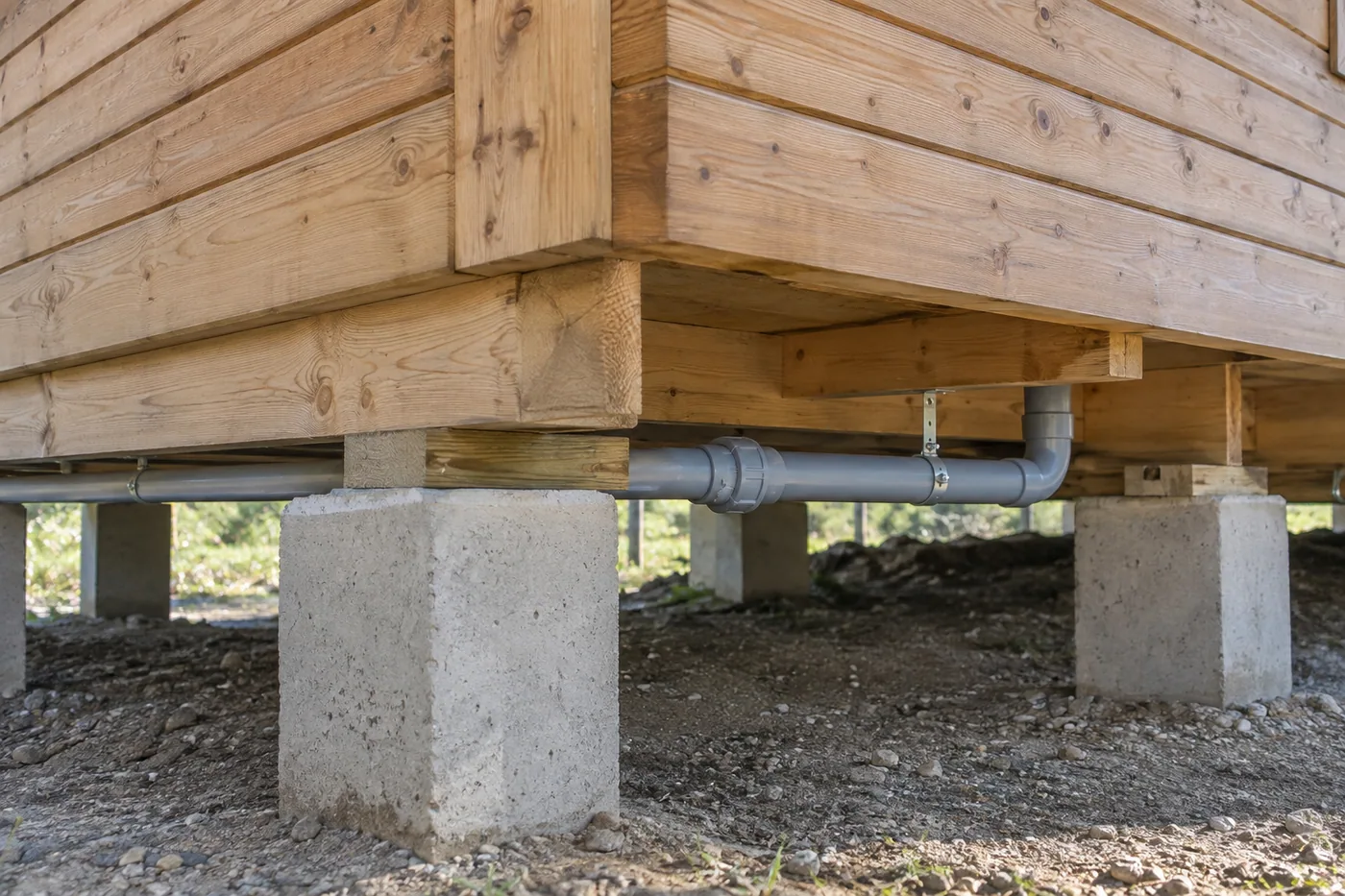
Temporary cabin foundations describe a possible support approach, not a universal exemption or relocation guarantee. Have the relevant local designers assess the actual ground, unit interface and required arrangement. Keep removal, reinstatement and any future works in the commercial scope where they are part of the owner's plan.
Coordinate the final support information with the unit's accepted configuration and the lifting sequence. The receiving team needs clear readiness conditions and completion responsibilities. A cabin reaching the property boundary is a logistics milestone, not proof that it is installed, connected or ready for the intended occupation.
Further reading: Review reversible foundation and removal scope.
7. Build a condition record across the move
Before disconnection
Record the actual unit identity, configuration and observed condition using the appropriate professional input. Preserve the limitations of accessible inspection and identify any unresolved concern. The record helps compare stages without pretending that a photograph or general survey establishes every concealed condition or performance requirement.
During movement and receipt
Agree the relevant handover and condition observations with the responsible providers. Keep package or unit identity and timing clear. If a concern is reported, follow the actual contractual, insurance and technical processes. Neither an original factory photograph nor a later delivery signature universally determines cause or liability.
Before return to use
Have the responsible teams define and complete the required installation and commissioning checks for the new site. Record the accepted configuration, changes and remaining actions. Do not reopen solely because the cabin looks unchanged after transport; relevant supports, services and operating arrangements may have a different basis.
8. Keep manufacturing and future-move evidence distinct
Factory testing can support defined component or assembly questions within the record's actual scope. It does not establish that the unit can be moved repeatedly after years of operation or undocumented alteration. Ask what relevant original design information is available and let the competent team assess its applicability.
Shipment inspection at the original purchase can help identify the supplied package and condition at that stage. Preserve it as part of the history rather than describing it as a relocation assessment. A future move needs current information and the relevant operation-specific review.
Installation preparation for the second site should connect all customer requirements and the intended product application. The owner may change from private use to hospitality or add equipment. Those facts belong in the new review; the label prefab timber cabins does not establish suitability for every proposed use or location.
9. Compare relocation with the real alternatives
Ask for complete scopes covering assessment, disconnection, preparatory work, lifting, transport, receiving works, reconnection and relevant completion records. Include exclusions and uncertain items. An attractive transport price can represent only a small part of the process the owner needs to return the cabin to use.
Compare the supported relocation proposal with alternatives such as a different unit, a revised site plan or a delayed decision. Use actual quotations and qualified assessments rather than an assumed resale value or universal claim that moving is cheaper. The useful result is a reviewable choice based on the owner's requirements.
If essential design information or second-site acceptance remains unavailable, preserve that as a genuine blocker. Future relocatability should not be advertised as confirmed merely to complete a sales checklist. The buyer needs to know what has been established, what depends on later conditions and which parties can answer the remaining questions.
Preserve the limits of a future-move assessment
A supplier or specialist may assess a defined scenario using the information available at purchase. Keep the assumed configuration, sites, equipment and scope with that assessment. The result should not become an unlimited statement that the unit can be moved anywhere at any time.
If the owner later changes the cabin or destination, return the new facts to the appropriate team. Added equipment, undocumented alterations or different access can change the relevant questions. The old record remains useful background while the current proposal needs the operation-specific review identified by the competent providers.
When communicating future flexibility to investors, buyers or operators, use the scope actually supported. A possible move subject to later assessment differs from an accepted present operation. Accurate wording helps the owner compare alternatives and budget for uncertainty without selling a technical promise that the original documents never established.
Hypothetical decision worksheet: Future Relocation Feasibility Worksheet
A hypothetical buyer expects to use a modular timber cabin on one plot and may move it to another in several years. The supplier can deliver a completed unit, but the quotation does not state that it is designed for repeated lifting. The worksheet should distinguish the initial delivery method from an evidenced future relocation plan, including the likely condition of the cabin after occupation.
Compare purchasing a unit with an agreed relocation design, keeping the cabin permanently at the first site and choosing a different form of accommodation if repeated moves are essential. A relocation design can preserve options but still needs future inspection and site planning. Permanent placement may simplify interfaces while reducing flexibility. Another product may better match the operating plan, provided its mobility claims are also examined rather than accepted as labels.
Request the manufacturer's written position on future lifting, relevant structural and lifting information, expected disconnection arrangements and components that would need removal or replacement. Identify mass information, designated lifting interfaces and who plans the eventual operation. Investigate the likely transport route and acceptance requirements at the second site. A competent lift plan concerns the operation; it does not by itself prove that the cabin can withstand the proposed lift.
The unresolved choice is whether the buyer's future site and programme are defined well enough to justify relocation features now. Services, decks, interior additions and maintenance condition can change the later operation. The owner should record alterations and preserve the relevant drawings, while recognizing that a future inspection may change the decision. Consider what happens if the unit can be transported but cannot be accepted for use at the destination.
Defer the purchase if relocation is essential and the supplier cannot define or substantiate that capability. Reject a promise based solely on the term modular or the fact that a crane is used at first delivery. Release requires a bounded written capability statement, identified future review needs and coordinated initial interfaces. It should leave the actual later lift and transport decision subject to the then-current condition and site circumstances.
Frequently asked questions
Are all modular cabins designed to be moved again?
No general manufacturing label establishes that. Obtain the actual design and configuration information and have competent specialists assess the proposed move. Local additions, services and the second site can affect feasibility. Ask the supplier for a written, bounded response rather than inferring capability from the initial delivery.
Do removable foundations make relocation straightforward?
They address only part of the project. Building suitability, disconnection, lifting, transport, destination acceptance and recommissioning remain separate questions. Have the appropriate teams assess the actual arrangement and compare the complete scope. A temporary support description does not create a universal exemption or guarantee.
Can the original lift plan be reused?
Its applicability must be assessed by the responsible competent team for the current load, configuration, equipment and sites. Conditions may differ from the initial operation. Provide the original information as context and record changes rather than treating a previous successful lift as automatic authorization for another.
What should a relocation quotation cover?
Identify the full process from assessments and disconnection through movement, receiving works, reconnection and accepted return to use. Ask each party to state exclusions and dependencies. Compare complete proposals rather than a vehicle price, and keep uncertain technical or local acceptance questions visible before committing.
Conclusion: verify the move as a complete project
Modular wooden cabins should be selected for future movement only through a defined feasibility review. Identify the actual building, services, operation and second-site requirements, then coordinate competent responsibilities and complete costs. Preserve the distinction between a possible future scenario and a move that has been properly assessed for the current conditions.
Define your cabin delivery and future-use requirements
Send the proposed location, intended use and future-move scenario. Ask CabinWild which design and supply-scope information can be provided for your qualified structural, logistics and site teams.
Prepared with AI assistance for CabinWild Editorial using the linked public sources. Examples are illustrative, not customer results or verified CabinWild test data. Project-specific design and local requirements need review by the appropriate professionals.