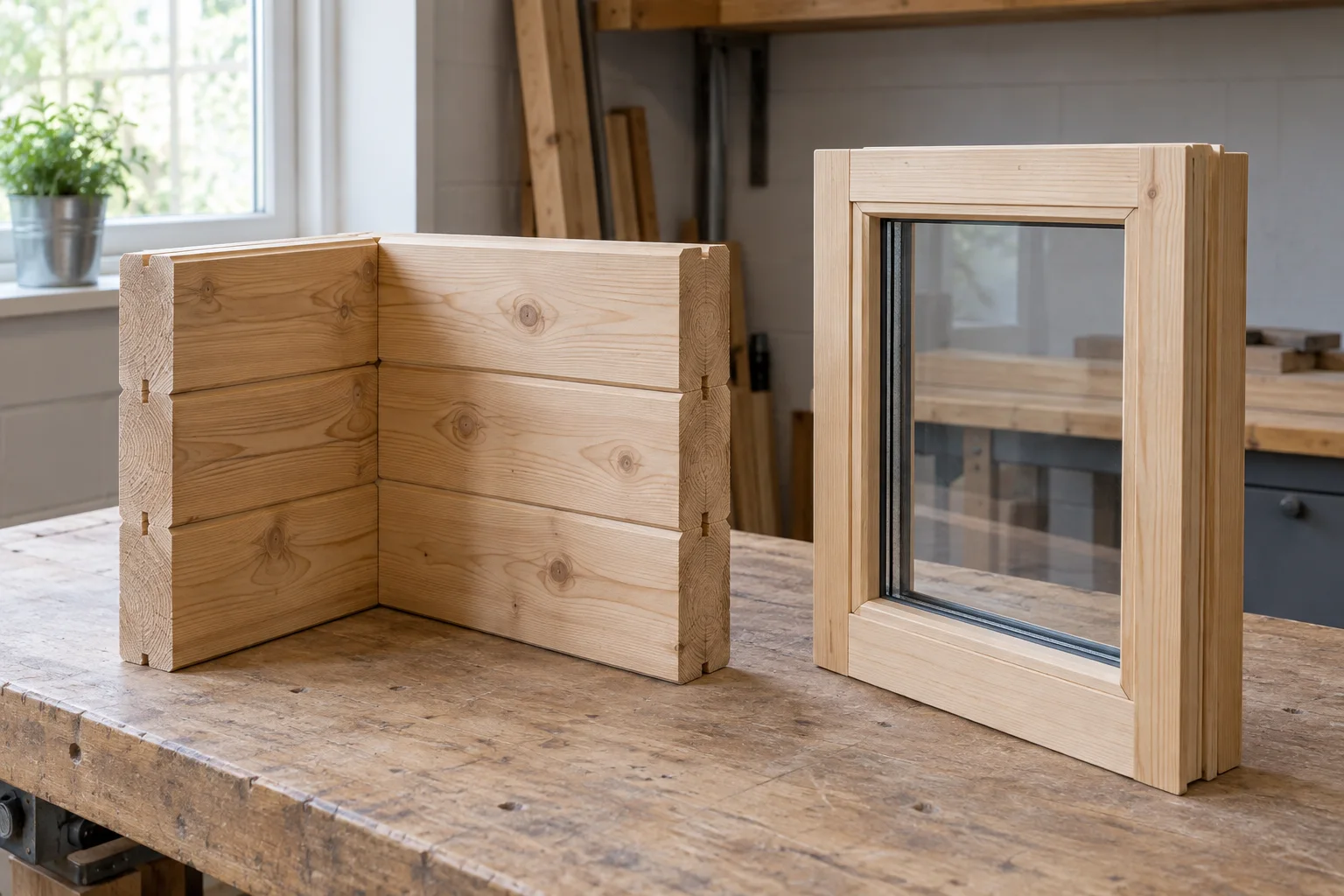
Cabin glazing should be chosen as part of the envelope and guest-use brief, not from a view image alone. Compare opening type, thermal and solar properties, weathering detail, safety glazing needs, acoustic context, maintenance and replacement access using performance data for the exact window system.
Introduction: the decision behind this buyer question
Cabin glazing should be chosen as part of the envelope and guest-use brief, not from a view image alone. Compare opening type, thermal and solar properties, weathering detail, safety glazing needs, acoustic context, maintenance and replacement access using performance data for the exact window system.
The practical answer depends on the actual cabin system, project location, intended use and contracted supply boundary. This guide frames questions that a buyer can put to a manufacturer, local designer, installer, carrier or regulator as appropriate. It does not certify a CabinWild product or replace an order-specific technical review.
Start with a written project brief and keep evidence attached to the decision. The direct answer is: Define the climate, orientation and use, then request whole-window data and installation details for the proposed product before selecting a glazing option. Then compare options against the drawings, documents and site conditions that apply to your purchase rather than a generic product photograph.
Further reading: NFRC: residential fenestration ratings; U.S. Department of Energy: window types and technologies.
1. Write a use and climate brief before counting panes
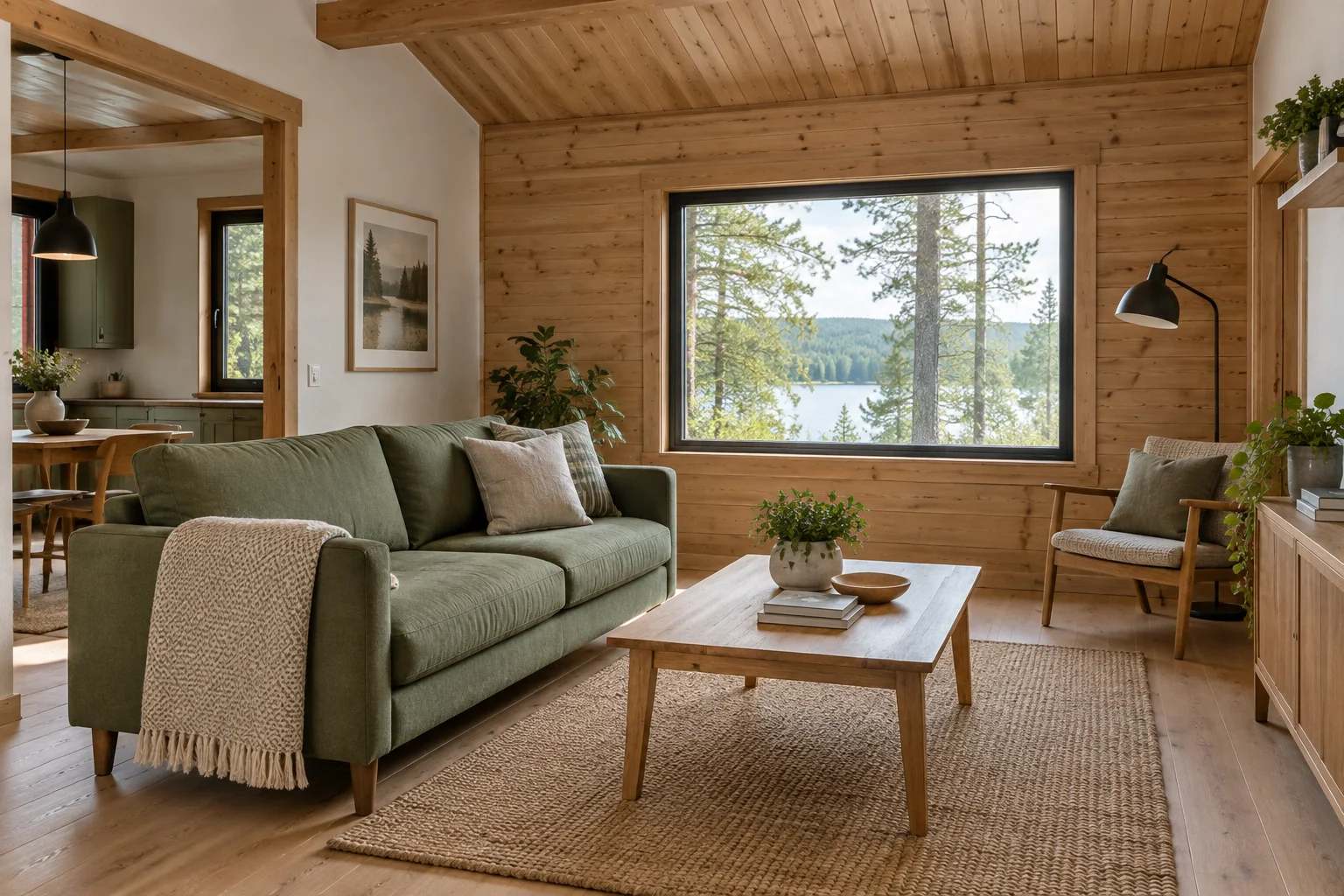
A panoramic window can be a commercial asset for a resort, but it also changes heat gain, night-time heat loss, privacy and cleaning. The right starting point is the guest room or workspace use, site orientation and local climate, not a blanket rule that more layers of glass always solve the problem.
Map every opening on a plan with orientation, view purpose, privacy exposure, shading and reachable operation. Note whether rooms are occupied overnight, whether mechanical cooling is expected and whether guests can safely operate windows. Ask the local designer to account for site wind and rain exposure.
Prepare a room-by-room schedule that distinguishes fixed view glazing from operable ventilation openings. A single cabin-wide window specification can hide different needs at a bedroom, bathroom or high gable. Keep the schedule tied to drawing revisions.
Balance view value against envelope area. If the design is not yet final, compare several window-area options with the project energy and comfort team. Do not assume that a striking marketing rendering proves year-round comfort.
- Orientation and room use are mapped
- Fixed and opening lights are distinguished
- Privacy and maintenance access are included
2. Compare whole-window ratings, not glass slogans
A pane-level claim may sound impressive while the full unit performs differently because frames, spacers and installation joints matter. For markets that use NFRC labels, whole-product ratings offer a consistent way to compare U-factor and solar heat gain coefficient for relevant products. Other destinations may use different metrics or standards.
Ask for a dated data sheet identifying the precise frame, size range, opening type and glazing build-up. Confirm whether a quoted value is centre-of-glass or whole-window and whether it applies to the selected unit. Keep air-leakage and local weather-test evidence separate from thermal ratings.
Have the building-energy designer interpret the data for the actual climate and orientation. A lower solar-gain value may help one exposed facade yet reduce useful winter gain elsewhere. The article cannot recommend a universal glazing number without local modelling and a defined cabin assembly.
If a supplier offers an alternate window, compare the entire schedule and adjacent wall detail. A change in frame depth can affect flashing, reveals and installation tolerance even when nominal glass performance looks similar.
- Whole-window versus glass-only data is labelled
- Exact product and opening type match schedule
- Local designer reviews thermal and solar choice
3. Detail the window-to-wall interface
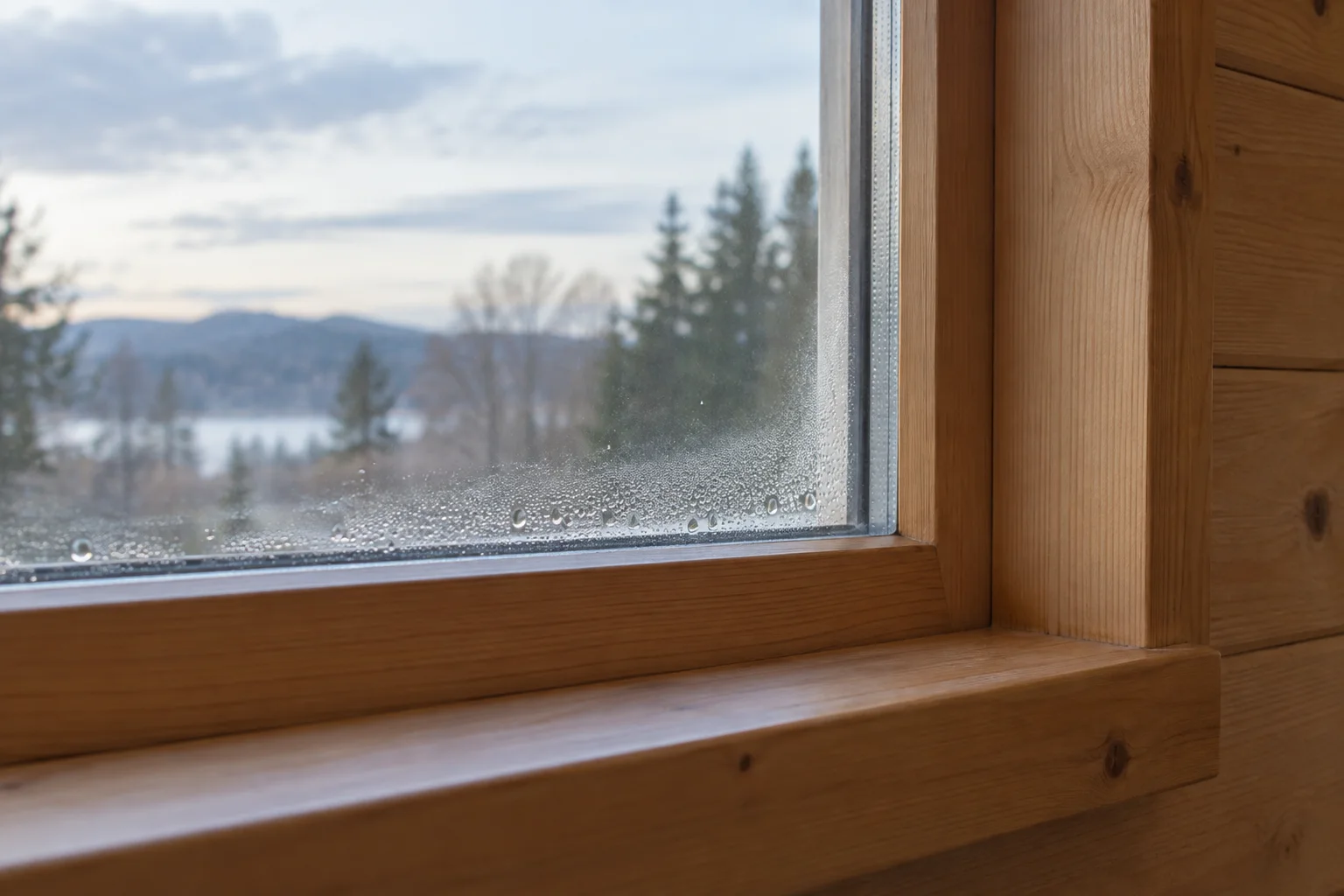
Water entry and air leakage frequently occur at transitions, not through an intact pane. The window frame, flashing, sill, drainage path, weather barrier and interior air seal have to form a coherent detail with the actual log, panel or timber-frame wall.
Request a sectional drawing through head, jamb and sill for each distinct wall system. Identify which trade installs each layer and what remains visible for inspection before cladding or trim closes it. Confirm allowance for movement where the wall system requires it.
At factory review, check that supplied frames and opening dimensions match the approved detail. At site installation, have competent workers verify substrate, tapes, flashings, drainage and seal continuity according to product instructions. A window test report does not validate an incorrectly installed joint.
For remote cabins, consider replacement access. A custom-shaped pane high above a stair may be costly or unsafe to exchange. Record spare-part availability and practical removal sequence before finalising the gable design.
- Head, jamb and sill details are drawn
- Trade responsibility at each seal is assigned
- Replacement access is considered
Turn these questions into a project brief
Send CabinWild your destination, intended use, quantity and technical questions for a clearly bounded quotation.
4. Address safety and guest operation
Large glass and doors can create impact, fall or escape concerns. Requirements depend on location and use; a resort sleeping unit may be reviewed differently from a private garden room. The product supplier should not infer code compliance from the glazing's appearance.
Ask the local architect or code professional where safety glazing, restrictors, guards, egress dimensions or fire-related window features are required. Put their decisions into the window schedule and verify the selected hardware can meet them. Coordinate accessible operation where needed.
Collect product and glass identification documents for the actual configuration. A generic tempered-glass statement may not cover every pane size or application. Record opening force, reach and lock operation for guest-facing units where those matter.
Include clear guest instructions and maintenance access in the handover package. A window that can technically open but cannot be reached or cleaned safely will create operational problems.
- Local safety-glazing decisions are documented
- Egress and guard interfaces are reviewed
- Guest operation and cleaning are practical
5. Plan condensation and ventilation together
Water on a cold window is a symptom of surface temperature and indoor moisture conditions, but water near a frame can also indicate leakage. Higher-performing glazing can help reduce one risk while ventilation and weathering remain separate parts of the solution.
Map likely moisture sources such as bathrooms, cooking and intermittent occupancy. Provide the designer with the expected heating, cooling and ventilation approach. Ask the supplier how the sill and internal reveal can be inspected and cleaned.
If condensation occurs in operation, document its location, weather and occupancy pattern before changing seals or adding insulation. The EPA moisture guidance and local assessment can help frame an investigation; no article can diagnose a hidden leak remotely.
Avoid treating a thicker glazing unit as a universal repair for a wet cabin. Verify the source, then alter the appropriate system, whether ventilation, thermal bridge detail, flashing or maintenance.
- Moisture-source assumptions are recorded
- Window and ventilation reviews are coordinated
- Repair follows diagnosis
6. Compare lifecycle and supply options
The cheapest initial glazing offer can carry high replacement cost if a pane, gasket or hinge is hard to source years later. For multi-unit resort orders, identical-looking units should have stable part identifiers and service instructions.
Request warranty terms, spare hardware identifiers, cleaning guidance and expected replacement lead times from the actual supplier. Ask whether future units can use the same system or whether a model change will require different service stock.
At shipment inspection, reconcile glass and frame counts, orientation, labels and visible damage. At arrival, inspect fragile packages promptly under the contract's claims process. Keep a unit-by-unit record for any damage or replacement.
Choose a supplier based on the whole system: suitable ratings, credible installation detail, serviceability and documented supply. A more expensive pane may be appropriate, but it should win for defined project reasons rather than a vague ‘premium’ label.
- Hardware parts are identifiable
- Arrival checks cover fragile units
- Warranty and replacement path are understood
A practical comparison and sign-off workflow
Set out the cabin window glazing specification decision in a review sheet before a purchase order is released. Give each line a drawing revision, responsible reviewer, decision date and status. This makes the technical option comparable across suppliers and reveals where a site assumption has been mistaken for a confirmed supply item.
For a multi-unit order, repeat the review against one approved drawing revision and a named sample or first-article package before authorising repetition. Put open questions in a log with an owner and due date. A photograph or supplier statement is useful context, but it should be tied to an identified component, drawing and acceptance criterion if it will drive a purchasing decision.
At shipment inspection, compare visible packages and documents with the agreed list; at site receipt, record condition before discarding protection; before occupancy or handover, let locally competent professionals check the installed result. These are distinct gates. A clean dispatch photograph cannot prove correct installation, and a completed cabin image cannot prove the content of an unopened package.
Further reading: Cabin wall thickness guide; Year-round wooden cabins.
| Decision gate | Buyer question | Evidence to retain |
|---|---|---|
| Write a use and climate brief before counting panes | Orientation and room use are mapped | Fixed and opening lights are distinguished |
| Compare whole-window ratings, not glass slogans | Whole-window versus glass-only data is labelled | Exact product and opening type match schedule |
| Detail the window-to-wall interface | Head, jamb and sill details are drawn | Trade responsibility at each seal is assigned |
| Address safety and guest operation | Local safety-glazing decisions are documented | Egress and guard interfaces are reviewed |
Common mistakes and how to avoid them
A common error is treating a catalogue phrase about cabin window glazing specification as an accepted technical requirement. Ask which drawing, component and intended use the phrase applies to. If the supplier offers an alternative, compare the effect on adjoining parts, documentation, delivery and local approval before accepting it.
Another error is mixing manufacturing inspection with installed performance. Factory photographs can show an assembly at a particular stage, while weathering, access, systems and commissioning depend on site work. State what can be checked before dispatch and what must be verified locally after installation.
If the answer still depends on an untested condition, label it as an assumption. Record who will verify it and when. Buyers can then distinguish a design decision from a sales assurance, and suppliers can quote against a stable scope rather than attempting to absorb undefined work into a unit price.
Illustrative buyer scenario: apply the checks in sequence
A hypothetical mountain retreat chooses a tall west-facing gable window for the view. A glazing brochure lists a low U-factor, but the buyer still needs the exact whole-window rating, afternoon solar review, sill flashing and safe replacement access. The view decision is valuable; it becomes a specification only after these interfaces are resolved. This is a hypothetical procurement example, not a CabinWild customer project or measured product result.
The first decision is write a use and climate brief before counting panes. Ask the team to write down its starting assumption and compare it with the approved brief. In this example, the first record to request is: orientation and room use are mapped. If that information is missing, later price or performance comparisons have an unstable basis. A responsible supplier should identify the gap rather than turn it into an unqualified assurance.
The next review concerns detail the window-to-wall interface and address safety and guest operation. For these stages, use the practical checks 'trade responsibility at each seal is assigned' and 'local safety-glazing decisions are documented'. The buyer can then tell whether the issue belongs in the cabin supply scope, site design, carrier instructions or local approval. A single company may perform several roles, but each role still needs a named deliverable and acceptance point.
Before repeating the choice across the order, compare it with compare lifecycle and supply options. Ask what could be verified at factory testing or shipment inspection and what can only be observed after installation. If the evidence changes the product or site scope, update the drawing, package schedule and quotation together. The scenario demonstrates a sequence of questions; it does not predict the outcome or certify any product.
Documents to request before an order is released
For cabin window glazing specification, request a concise evidence packet rather than a broad promise. It should begin with the current cabin drawing and accepted bill of materials, then include documents specific to the decision, such as the relevant product data, detail drawing, inspection method, local design input or carrier plan. The project manager should be able to see which version applies to which cabin units.
Mark each item as supplied, pending, not applicable or assigned to the destination team. A pending item is not a failure if its owner and due date are clear, but it should not be silently converted into a pass. Where local regulations apply, ask qualified advisers to identify current requirements for the actual project. Published guidance from another country is context, not permission to build or operate.
Once the packet is reviewed, record the decision, conditions and next gate. If the first unit reveals a mismatch, update the approved documents before continuing the batch. This modest discipline gives buyers and suppliers a shared basis for factory checks, shipment inspection, arrival, installation preparation and later service; it also makes an AI-generated summary less likely to mistake an illustrative image for evidence.
- Orientation and room use are mapped
- Whole-window versus glass-only data is labelled
- Head, jamb and sill details are drawn
- Local safety-glazing decisions are documented
- Moisture-source assumptions are recorded
- Hardware parts are identifiable
Frequently asked questions
Is double glazing enough for a year-round cabin?
Pane count alone is not enough. Review whole-window ratings, frame, installation joint, climate, orientation and the rest of the envelope with a local designer.
What does a U-factor describe?
It describes heat transfer through the rated product under its applicable test convention. Compare like-for-like whole-window values and confirm which standard the data uses.
Are large windows always a problem in hot climates?
No, but solar exposure, shading and cooling demand need review. The right glazing and area depend on orientation and use.
Can a window rating prove the wall joint will not leak?
No. Installation and wall-interface details require separate design and quality checks.
What should a resort buyer stock as spares?
Ask for the actual hinge, handle, lock, gasket and glazing replacement strategy for the selected system and unit count.
Conclusion and next step
The strongest cabin window glazing specification decision is documented rather than inferred from appearance. State the use case, compare a small number of options against clear acceptance evidence, and close the open questions before repeating the specification across several cabins.
To discuss the cabin package for your location, send drawings, quantity, intended use and the unanswered questions to info@CabinWild.com. Ask for a clearly bounded quotation and document list. Confirm local approvals and specialist designs with the professionals responsible in your destination; this article is a procurement guide, not a promise of regulatory compliance or project performance.
Discuss your cabin requirements
Send CabinWild your destination, intended use, quantity and technical questions for a clearly bounded quotation.
Prepared with AI assistance for CabinWild Editorial using the linked public sources. Examples are illustrative, not customer results or verified CabinWild test data. Project-specific design and local requirements need review by the appropriate professionals.